How Physiotherapy Can Improve Your Muscle Tone for Dance explores targeted strategies for recovery. Discover new paths to mobility, healing, and personalized care.

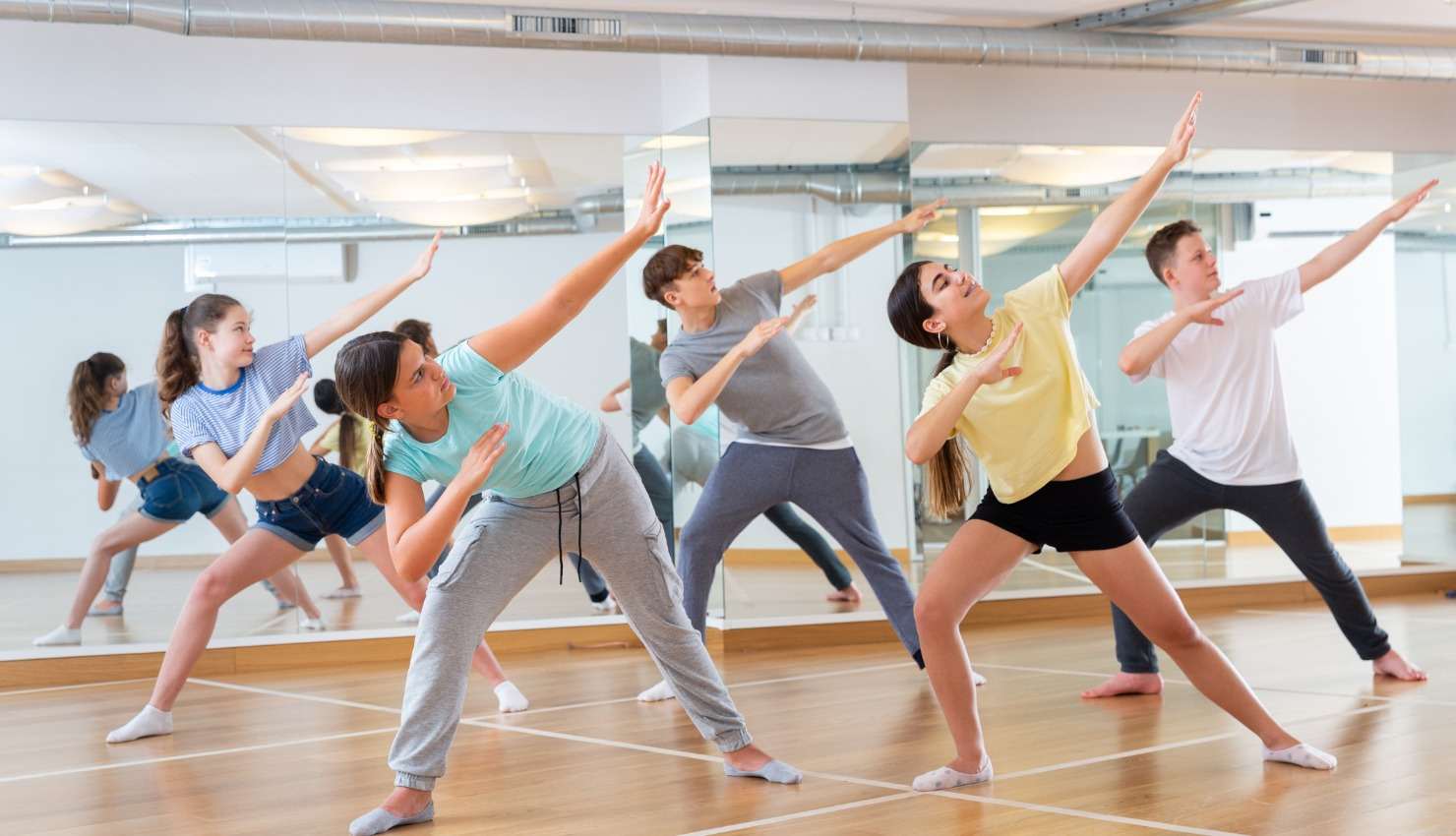
Muscle tone is the foundation of a dancers strength, control, and grace. It refers to the natural tension and readiness of muscles to engage in movement. For dancers, optimal muscle tone is crucial to execute precise steps, maintain balance, and prevent injuries. Physiotherapy offers targeted strategies to improve muscle tone effectively, enabling dancers to perform with confidence and resilience. In this blog, we explore how physiotherapy can enhance muscle tone specifically for dancers and why it is essential for dance training.
Understanding Muscle Tone in Dance
Muscle tone is the continuous and passive partial contraction of muscles that helps maintain posture and readiness for action. In dance, having the right muscle tone means muscles are neither too tight nor too loosethey are optimally primed to respond to movements. Poor muscle tone can lead to fatigue, decreased control, and a higher risk of strains or tears.
The Role of Physiotherapy in Muscle Tone Improvement
Physiotherapists use a variety of techniques to assess and improve muscle tone, tailored to the dancers needs:
Targeted Strengthening Exercises: These exercises focus on activating specific muscle groups critical to dance performance. By strengthening these muscles, physiotherapy helps improve muscle tone and endurance.
Neuromuscular Re-education: This technique retrains the nervous system to improve muscle activation patterns, coordination, and timing, which are vital for fluid dance movements.
Stretching and Flexibility Training: Balancing muscle tone involves releasing tight muscles and strengthening weak ones. Physiotherapy incorporates stretches that help maintain optimal muscle length and prevent stiffness.
Manual Therapy: Hands-on techniques like massage and myofascial release help reduce muscle tension and improve blood flow, supporting healthy muscle tone.
Benefits of Improved Muscle Tone for Dancers
Improving muscle tone through physiotherapy provides several advantages for dancers:
Enhanced Control and Stability: Proper muscle tone allows dancers to control their movements with precision and maintain balance, even during complex choreography.
Reduced Fatigue: Well-conditioned muscles use energy more efficiently, enabling dancers to sustain performances longer without tiring.
Injury Prevention: Balanced muscle tone prevents muscle imbalances and compensations that often lead to strains, sprains, or joint issues.
Improved Posture: Physiotherapy helps maintain muscle tone that supports good posture, which is essential for the aesthetics and mechanics of dance.
Customizing Muscle Tone Programs for Dance Styles
Different dance styles demand unique muscle tone characteristics. For instance, ballet requires strong, elongated muscles with high control, while hip-hop may demand powerful, explosive muscle activation. Physiotherapists design muscle tone improvement programs specific to the dance genre and the individual dancers biomechanics.
How Physiotherapy Complements Dance Training
Physiotherapy works alongside regular dance practice by addressing underlying muscle imbalances, weaknesses, or tightness that dance training alone might not correct. This holistic approach helps dancers avoid plateauing and improves overall physical readiness.
Incorporating Physiotherapy Into Your Dance Routine
To gain the best results, dancers should integrate physiotherapy sessions regularly, especially during intense training or performance seasons. Physiotherapists provide personalized exercise plans that dancers can perform independently to maintain muscle tone between sessions.
Conclusion
Muscle tone is a critical component of dance performance and injury prevention. Physiotherapy offers specialized interventions to improve muscle tone, helping dancers move with greater strength, precision, and endurance. By incorporating physiotherapy into their training, dancers can optimize their muscle health and elevate their dance capabilities.