The Key Benefits of Physiotherapy for Acrobatic Dancers explores targeted strategies for recovery. Discover new paths to mobility, healing, and personalized care.

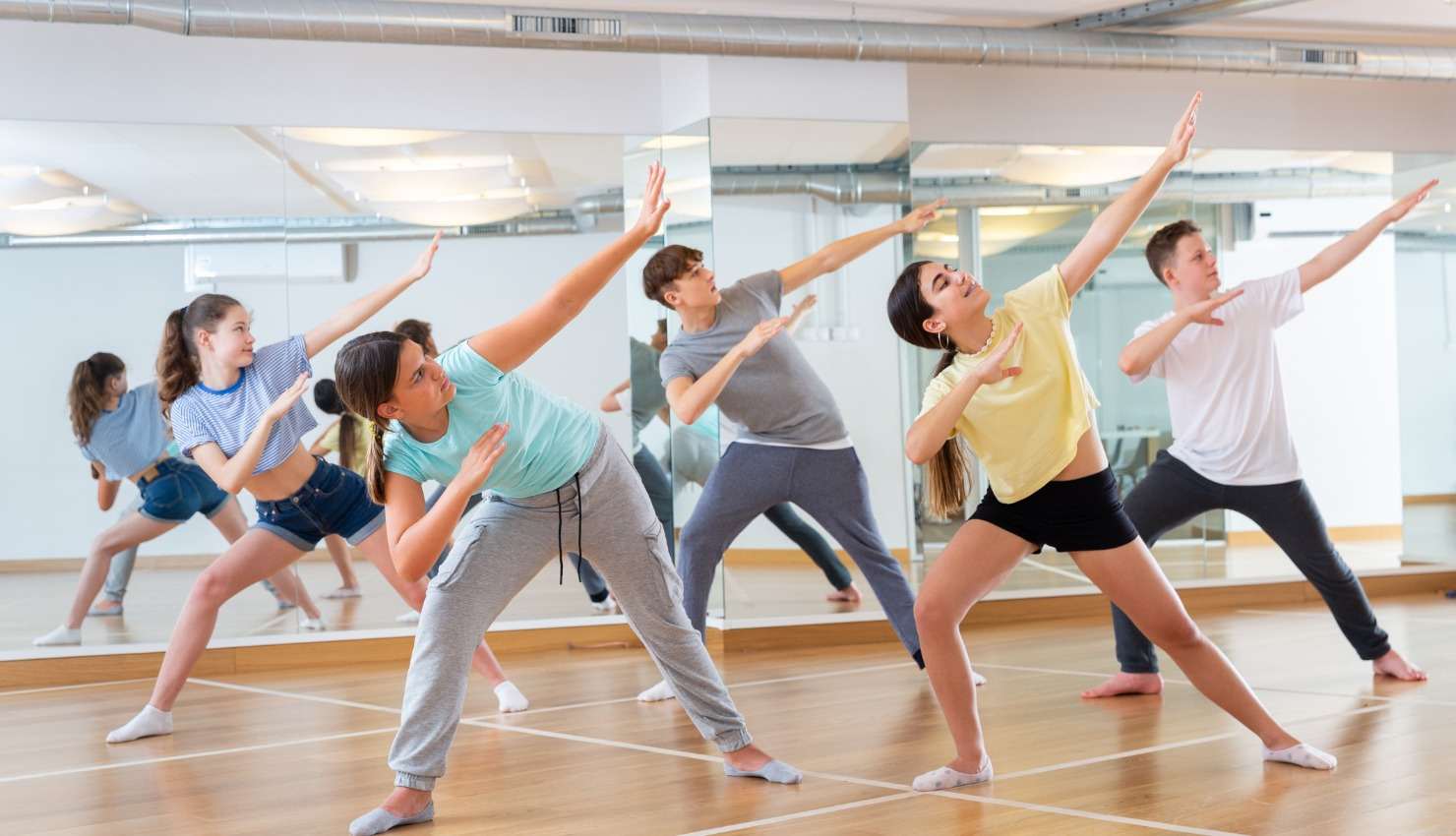
Acrobatic dance is a dynamic and physically demanding art form that blends gymnastics, acrobatics, and dance into visually stunning performances. It requires incredible strength, flexibility, balance, and coordination, with dancers performing high-impact moves, flips, aerial stunts, and complex choreography. While the results are awe-inspiring, the intense physical demands of acrobatic dance can place a significant strain on the body, increasing the risk of injury.
Physiotherapy plays a crucial role in helping acrobatic dancers prevent injuries, recover from strains, and improve their overall performance. In this blog, well explore the key benefits of physiotherapy for acrobatic dancers, focusing on injury prevention, performance enhancement, rehabilitation, and long-term health.
1. Injury Prevention
Injuries are a common occurrence in acrobatic dance due to the physical intensity involved. The repetitive movements, high-impact landings, and extreme flexibility required can put a lot of stress on muscles, joints, tendons, and ligaments. Physiotherapy helps dancers reduce the risk of injury through a variety of preventive strategies.
How physiotherapy helps prevent injuries:
Postural and Alignment Assessment: Physiotherapists assess a dancer’s posture and alignment to identify areas of imbalance or misalignment that could lead to injury. For example, poor spinal alignment or incorrect hip positioning can strain muscles and joints during acrobatic movements.
Prehabilitation: Physiotherapists design prehabilitation programs aimed at strengthening weak areas before they turn into injuries. These programs include exercises that target muscle imbalances, improve flexibility, and enhance joint stabilitycritical for acrobatic movements that involve lifts, jumps, and complex poses.
Mobility and Flexibility: Flexibility is crucial for acrobatic dancers, especially in areas like the hips, shoulders, and legs. Physiotherapists work on improving flexibility through personalized stretching routines, ensuring that muscles and joints are ready to perform demanding moves without the risk of overstretching or strain.
Strengthening Core and Stabilizing Muscles: A strong core is essential for balance, control, and proper posture, particularly in acrobatic movements. Physiotherapists incorporate core-strengthening exercises that help dancers maintain stability and support their spine and pelvis during challenging movements.
By addressing potential weaknesses and optimizing body mechanics, physiotherapy helps acrobatic dancers move more efficiently and safely, minimizing the risk of injuries.
2. Faster Recovery from Injuries
Despite the best efforts to prevent them, injuries can still occur in acrobatic dance due to the intensity and complexity of the movements. When an injury happens, physiotherapy becomes crucial in accelerating the recovery process and ensuring that the dancer returns to full strength quickly.
How physiotherapy aids in recovery:
Pain Management: Physiotherapists use techniques such as ice and heat therapy, ultrasound, and TENS (Transcutaneous Electrical Nerve Stimulation) to manage pain and inflammation. These treatments help reduce swelling, promote healing, and provide immediate relief from discomfort.
Manual Therapy: Physiotherapists often use hands-on techniques like massage, myofascial release, and joint mobilization to release tightness in muscles and fascia. These techniques enhance circulation, reduce muscle stiffness, and restore flexibility, allowing dancers to recover more quickly from strains and sprains.
Rehabilitation Exercises: After an injury, physiotherapists guide dancers through specific exercises designed to rebuild strength, flexibility, and joint mobility in the injured area. For example, after an ankle sprain, physiotherapists may use resistance bands or functional exercises like ankle circles to improve ankle strength and range of motion, preparing the dancer to return to acrobatic movements.
Gradual Return to Activity: Physiotherapists design a progressive plan for returning to acrobatic training, starting with low-impact exercises and gradually increasing the intensity of movements. This ensures that the dancers body is properly prepared for the physical demands of acrobatic dance without the risk of re-injury.
By providing a structured recovery plan, physiotherapy helps dancers return to full strength and performance level without compromising safety.
3. Improved Performance and Technique
Acrobatic dance requires precision and fluidity in every movement, and physiotherapy plays a vital role in enhancing a dancers performance and technique. By improving strength, flexibility, posture, and coordination, physiotherapy helps dancers perform complex and high-energy movements with more control and efficiency.
How physiotherapy improves performance:
Strengthening Key Muscle Groups: Acrobatic dance relies heavily on the strength of the core, legs, arms, and upper body. Physiotherapists develop targeted exercises to strengthen these areas, particularly the muscles used for jumps, lifts, and balance. Stronger muscles lead to more controlled movements and improved overall performance.
Flexibility for High-Impact Moves: Flexibility is critical for movements such as splits, jumps, and high kicks. Physiotherapists help dancers increase their range of motion and maintain muscle elasticity, allowing them to perform with greater fluidity and ease. Improved flexibility also reduces the risk of injury when performing high-impact moves or aerial stunts.
Correcting Alignment and Posture: Proper posture and alignment are essential for executing acrobatic moves safely and with precision. Physiotherapists work with dancers to improve posture and body alignment during various movements, ensuring that the dancers body is positioned optimally to avoid strain and enhance movement efficiency.
Balance and Coordination: Acrobatic dance requires a great deal of balance, particularly during spins, lifts, and complex poses. Physiotherapists incorporate balance and coordination exercises, such as standing on one leg, using balance boards, or performing dynamic movements to improve proprioception (the bodys awareness of its position in space) and stability.
By enhancing strength, flexibility, posture, and coordination, physiotherapy improves the dancers ability to execute complex acrobatic movements with greater control and precision, ultimately enhancing their performance.
4. Long-Term Joint Health
Acrobatic dance often involves repetitive movements, high-impact landings, and extreme ranges of motion, which can wear down joints over time. Physiotherapy plays a significant role in preserving joint health and preventing long-term damage, ensuring that dancers can continue performing at their best without the risk of chronic issues.
How physiotherapy helps with joint health:
Joint Mobilization: Physiotherapists use manual techniques to improve the mobility of joints, particularly in areas like the hips, ankles, knees, and shoulders. Joint mobilization helps reduce stiffness and improve the range of motion, allowing dancers to perform moves that require full joint flexibility, such as deep pliés, lunges, and high jumps.
Prevention of Overuse Injuries: Overuse injuries, such as stress fractures or tendinitis, are common in dancers due to repetitive movements. Physiotherapists educate dancers on proper movement mechanics, body alignment, and technique to minimize the wear and tear on joints. They also design conditioning exercises to prevent overuse injuries and maintain joint integrity.
Strengthening Supporting Muscles: Strong muscles around the joints provide better support and stability, reducing the risk of joint injuries. Physiotherapists incorporate exercises to strengthen the muscles surrounding key joints, such as the knees, hips, and ankles, providing extra protection during high-impact movements.
By focusing on joint mobility, muscle strength, and injury prevention, physiotherapy helps dancers protect their joints and maintain long-term health.
5. Psychological Support and Confidence Building
Injuries and recovery can be mentally challenging for dancers, especially in acrobatic dance, where physicality is central to performance. Physiotherapy provides psychological support by helping dancers regain confidence in their bodies, recover mentally from injuries, and gradually return to full activity.
How physiotherapy offers psychological support:
Gradual Progression: Physiotherapists develop a structured rehabilitation plan that gradually increases the intensity of exercises, which helps build the dancers confidence and trust in their bodys ability to perform complex moves again.
Education and Mindfulness: Physiotherapists educate dancers on the importance of rest, recovery, and injury prevention, empowering them to take control of their physical health. Understanding the bodys limits and maintaining a mindful approach to training helps prevent burnout and reduces the fear of re-injury.
Mental Conditioning: Physiotherapists incorporate mental conditioning techniques, such as visualization and relaxation exercises, to help dancers stay calm and focused during their recovery process and return to acrobatic routines with confidence.
Conclusion
Physiotherapy is an essential tool for acrobatic dancers, providing benefits that go beyond injury rehabilitation. Through prehabilitation, injury prevention, performance enhancement, and long-term joint health, physiotherapy supports dancers in maintaining their physical well-being, improving their skills, and ensuring longevity in their careers. Whether you’re recovering from an injury, looking to enhance your performance, or striving to maintain optimal health, physiotherapy plays a pivotal role in keeping acrobatic dancers strong, flexible, and injury-free.