Healing Dance-Related Injuries explores targeted strategies for recovery. Discover new paths to mobility, healing, and personalized care.

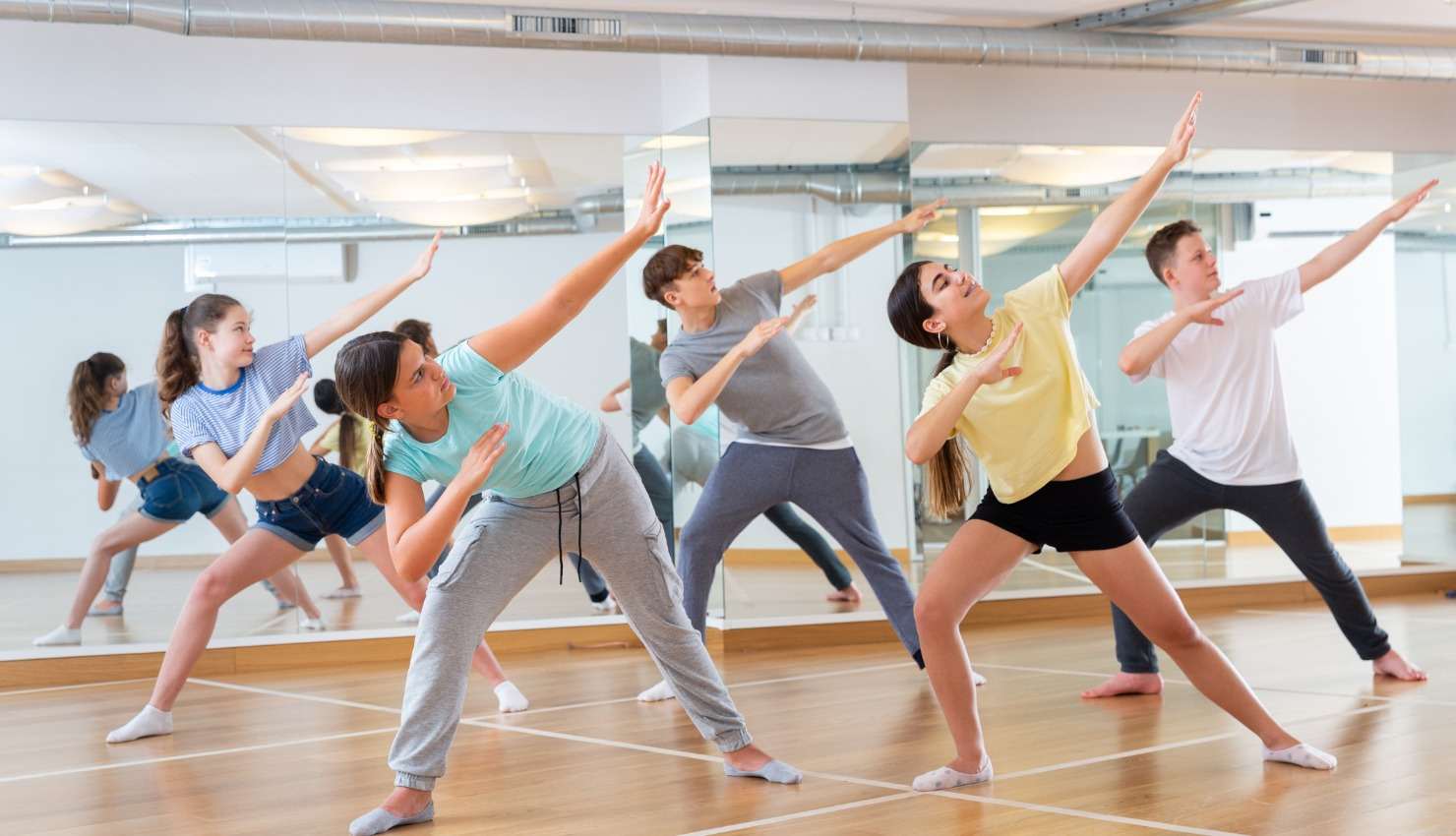
Dance is a beautiful and expressive art form, but it comes with its physical demands. Whether you’re practicing long hours, rehearsing for a performance, or pushing yourself to new heights in competition, dancers often face injuries due to the repetitive nature of their movements, jumps, turns, and intense physical exertion. Fortunately, physiotherapy plays a vital role in healing dance-related injuries and ensuring that dancers return to the stage safely and efficiently.
In this blog, well explore the role of physiotherapy in the healing process of dance injuries, how it helps dancers recover effectively, and what physiotherapists do to promote long-term recovery and injury prevention.
1. Understanding Common Dance Injuries
Dancers can experience a wide range of injuries, some of which result from overuse, poor technique, or inadequate preparation. Common dance-related injuries include:
Muscle Strains: Injuries where muscle fibers are overstretched or torn, often occurring in the hamstrings, quadriceps, or calf muscles.
Sprained Ankles: Caused by twisting or rolling the ankle, often during jumps or landings.
Plantar Fasciitis: Inflammation of the plantar fascia, leading to heel pain, often due to prolonged standing, jumping, or improper footwear.
Tendonitis: Inflammation of tendons, especially in areas like the Achilles tendon or the patellar tendon, caused by repetitive movements or overuse.
Stress Fractures: Small cracks in bones, often occurring in the feet or shins due to repeated impact, particularly in ballet or other forms of dance that involve high-impact movements.
Hip or Knee Injuries: These can result from misalignments, improper technique, or excessive wear and tear on the joints.
Each of these injuries requires a tailored approach to healing and rehabilitation, and this is where physiotherapy becomes essential.
2. The Role of Physiotherapy in Healing Dance Injuries
Physiotherapy plays an important role in the healing process of dance-related injuries by offering both acute care and rehabilitation. Heres how physiotherapy helps dancers heal and recover:
Pain Management and Inflammation Control
When an injury occurs, the bodys immediate response is pain and inflammation. The physiotherapist’s first goal is to reduce these symptoms and help the dancer return to normal function without the pain.
Cold Therapy (Ice): Ice is typically used immediately after an injury to reduce swelling and numb the pain. Physiotherapists guide dancers on when and how to apply ice to injured areas to prevent excessive inflammation.
Heat Therapy: After the initial inflammation has decreased, heat therapy helps to relax tight muscles, improve blood circulation, and alleviate any stiffness or discomfort.
Electrotherapy: Techniques like TENS (Transcutaneous Electrical Nerve Stimulation) are used to block pain signals and reduce muscle spasms. Ultrasound therapy is also employed to promote deep tissue healing by improving blood flow to injured areas.
By controlling pain and inflammation, physiotherapists enable dancers to focus on rehabilitation without being hindered by discomfort.
Restoring Range of Motion and Flexibility
One of the primary goals in injury rehabilitation is to restore flexibility and range of motion (ROM) to the injured area. This is especially important for dancers, as flexibility is vital for executing dance moves like high kicks, deep pliés, or smooth turns.
Stretching and Mobility Exercises: Physiotherapists guide dancers through controlled stretching programs designed to gently lengthen muscles, tendons, and ligaments that have become stiff due to injury. The therapist may use passive stretches, where they assist the dancer in stretching, or active stretches that involve the dancer doing the movement themselves.
Joint Mobilization: In cases where joint mobility is restricted (such as in ankle sprains or knee injuries), physiotherapists use joint mobilization techniques to gently manipulate the joints and improve their range of motion.
Restoring range of motion and flexibility allows dancers to move freely and perform with less discomfort, reducing the risk of reinjury.
Strengthening and Conditioning
Once the pain and inflammation have been managed, the focus shifts to rebuilding strength and conditioning in the affected muscles and joints. This step is crucial for ensuring that the dancer can return to their full range of movements without risking further injury.
Progressive Strengthening Exercises: Physiotherapists prescribe a series of exercises designed to progressively strengthen the injured area. For example, after a sprained ankle, a dancer may begin with simple resistance exercises and progress to more complex movements that simulate dance routines.
Targeted Strength Training: Areas of weakness caused by injury (such as the core or lower body) are targeted through exercises like squats, lunges, resistance band exercises, or leg presses. Strengthening these muscles helps dancers perform movements more safely and efficiently, preventing reinjury.
Functional Exercises: These exercises mimic the dancers specific movements in their routine, such as performing pliés, relevés, or jumps. Functional training helps the dancer regain their full mobility and strength, preparing them to return to practice and performances.
Proprioception and Balance Training
After an injury, proprioceptionthe bodys ability to sense its position in spaceis often impaired. This can affect balance, coordination, and the ability to move confidently and safely.
Balance Exercises: Physiotherapists use various balance exercises, such as standing on one leg, using balance boards or wobble cushions, to help dancers improve their proprioception. These exercises help dancers stabilize their movements and prevent falls or missteps during their performances.
Rehabilitation Through Dynamic Movements: As the dancer progresses, the physiotherapist incorporates more dynamic movements, such as jump landings, turns, or multi-step choreography, to simulate the demands of a dance routine and improve coordination.
Improving proprioception and balance is key for dancers to perform complex movements and land safely, which helps prevent reinjury.
Posture and Alignment Correction
Improper posture and alignment can contribute to dance-related injuries, especially in areas like the spine, knees, or hips. Physiotherapists assess the dancer’s posture and movement patterns to identify areas of misalignment that may be putting undue stress on the body.
Postural Assessment: Physiotherapists assess the dancers standing and dynamic posture during various movements to identify any misalignments, such as tilted pelvis or poor foot placement, that may lead to injury.
Corrective Exercises: Physiotherapists design exercises to improve posture and alignment, focusing on engaging the right muscles and correcting any movement patterns that are inefficient. For example, they may work on improving core stability to support better alignment of the spine during turns and lifts.
By correcting posture and alignment, physiotherapy helps dancers move more efficiently and safely, reducing the strain on vulnerable areas.
3. Psychological Support and Confidence Building
Injury recovery isnt just about physical healingit also requires a mental component. Returning to dance after an injury can be mentally challenging, especially for professional dancers who rely on their physicality. Physiotherapists offer psychological support by:
Gradual Return to Activity: By slowly increasing the intensity of movements, physiotherapists help dancers build confidence and reduce the fear of re-injury.
Mind-Body Connection: Physiotherapists also emphasize the importance of body awareness and mindfulness during recovery. This helps dancers regain trust in their bodies and performance abilities.
Conclusion
Physiotherapy is an essential component of healing dance-related injuries, allowing dancers to recover fully, regain strength, and return to the stage with confidence. Through a combination of pain management, mobility restoration, strength building, proprioception training, and alignment correction, physiotherapists help dancers recover more effectively and safely.
By focusing not just on rehabilitation but also on injury prevention, physiotherapy ensures that dancers can continue to perform at their best, free from the fear of reinjury. Whether you’re dealing with a muscle strain, ankle sprain, or tendonitis, physiotherapy is your key to a speedy recovery and a strong return to dance.
Tools