How to Use Physiotherapy for Injury Prevention in Dance explores targeted strategies for recovery. Discover new paths to mobility, healing, and personalized care.

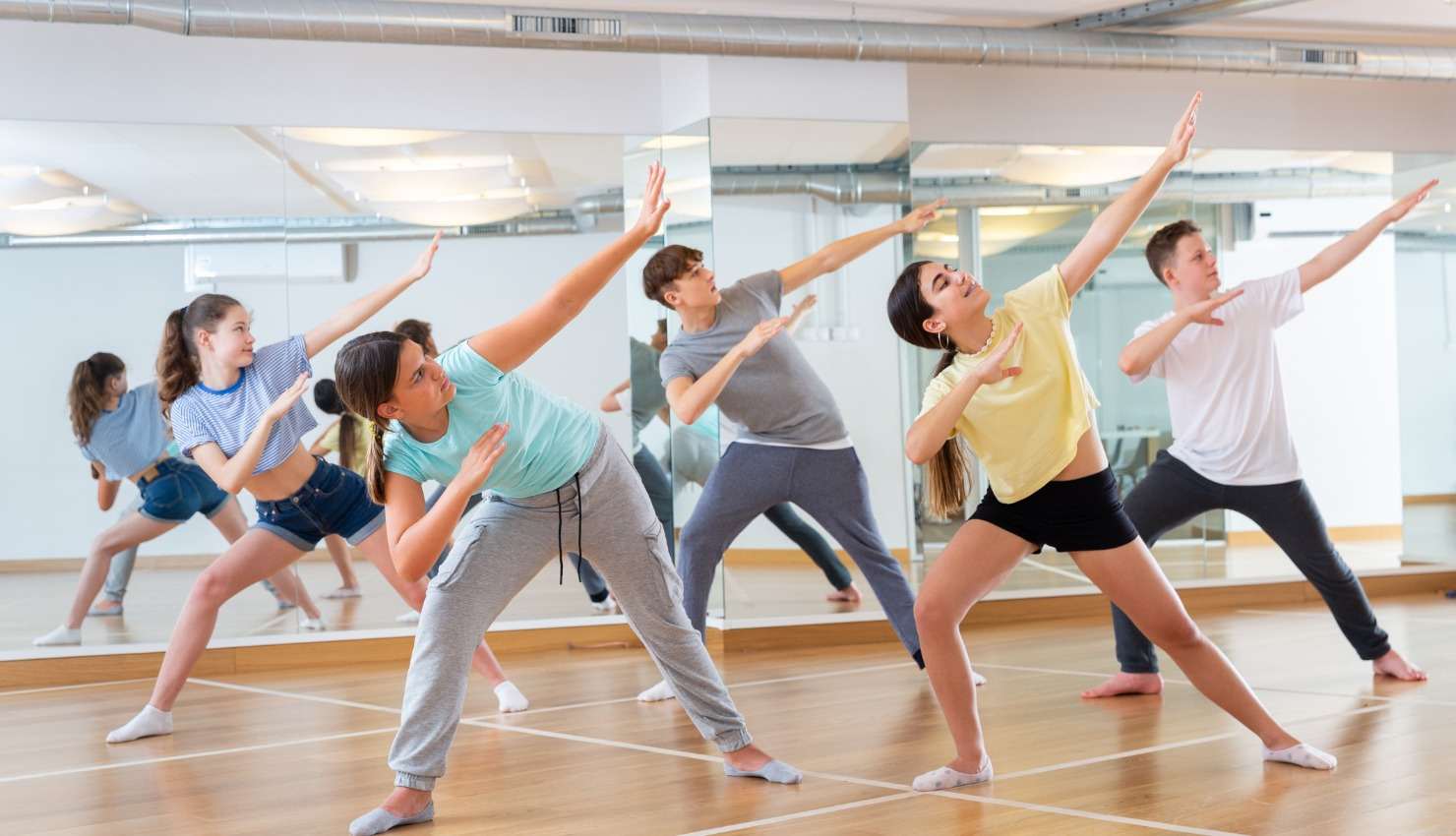
Dance is an expressive and physically demanding art form that requires flexibility, strength, coordination, and endurance. Dancers often put their bodies through intense movement, repetition, and impact, making them prone to injuries such as strains, sprains, and joint issues. Given these physical demands, injury prevention should be a primary focus in every dancers training regimen.
One of the most effective ways to prevent dance injuries is through physiotherapy. Physiotherapists specialize in optimizing body mechanics, improving strength and flexibility, and addressing any muscle imbalances that may lead to injuries. In this blog, well discuss how physiotherapy can be used for injury prevention in dance and how it helps dancers stay injury-free while maintaining peak performance.
1. Prehabilitation: Strengthening the Body Before Injury Occurs
Prehabilitation refers to proactive measures taken to strengthen muscles, improve flexibility, and address weaknesses before they turn into injuries. A physiotherapist can help dancers create a prehabilitation program tailored to their specific dance style and needs. This program focuses on strengthening the areas of the body that are most vulnerable during dance movements and exercises that improve overall body mechanics.
How physiotherapy helps with prehabilitation:
Identifying Weaknesses and Imbalances: Physiotherapists assess a dancers movement patterns, posture, and muscle imbalances to identify areas of weakness. For example, if a dancer has weak hip muscles or poor core stability, these imbalances can lead to knee or lower back injuries. Physiotherapists create customized strengthening programs to address these weaknesses.
Targeted Strengthening Exercises: Physiotherapists design exercises to strengthen key muscle groups used in dance. For instance, exercises like squats, lunges, and leg raises can strengthen the quads, glutes, and hamstrings, which are essential for jumping, landing, and supporting body weight during turns. Additionally, core strengthening exercises like planks and bridges ensure the dancer maintains proper posture and alignment during movements.
Joint Stability and Mobility: Prehabilitation also focuses on improving joint stability and range of motion. Physiotherapists incorporate exercises to improve ankle, hip, knee, and shoulder mobility, ensuring that the dancer has the full range of motion necessary to perform dynamic movements safely.
2. Correcting Posture and Body Mechanics
Proper posture and body alignment are crucial in preventing injury. Many injuries occur because of poor posture or inefficient movement patterns that place unnecessary stress on certain joints or muscles. Physiotherapists work with dancers to correct posture and body mechanics to avoid putting excessive strain on the body during movements.
How physiotherapy helps correct posture and body mechanics:
Postural Assessments: Physiotherapists perform a thorough postural assessment to identify misalignments, such as forward head posture, rounded shoulders, or pelvic tilts, which can lead to pain or injury over time. For instance, an anterior pelvic tilt can cause strain in the lower back and hips during movements like pliés or jumps.
Body Awareness and Alignment: Physiotherapists teach dancers how to engage the correct muscles during movement and ensure their body remains aligned. They focus on key areas, such as ensuring the knees track over the toes during lunges or keeping the core engaged to maintain a neutral spine during movements.
Correcting Movement Patterns: Physiotherapists observe a dancers movement patterns and provide feedback to correct improper techniques. For example, they may correct the way a dancer lands from a jump or how they distribute their weight during turns. By correcting faulty movement patterns, physiotherapy reduces the risk of overuse injuries, such as stress fractures or tendinitis.
3. Improving Flexibility to Prevent Strains and Sprains
Flexibility is vital for dancers to perform the wide range of movements required in their routines. Tight muscles and limited joint mobility can cause strains, sprains, and tears, especially in areas like the hamstrings, calves, and hips. Physiotherapists help dancers improve flexibility by designing stretching routines that target key muscle groups used in dance.
How physiotherapy helps improve flexibility:
Customized Stretching Programs: Physiotherapists create individualized stretching programs for dancers that focus on the muscle groups most used in their dance style. For example, dancers who perform high kicks and jumps may need to focus on stretching the hip flexors, hamstrings, and calves to ensure full range of motion.
Dynamic and Static Stretching: Physiotherapists use a combination of dynamic and static stretching techniques. Dynamic stretches, which are done in motion (such as leg swings), are used during warm-up to prepare the muscles for activity. Static stretches (where the muscle is held in a stretched position) are used during cool-down to maintain and improve flexibility after intense dance sessions.
Foam Rolling and Myofascial Release: Physiotherapists may incorporate self-myofascial release techniques using foam rollers or massage tools to release tight fascia (the connective tissue around muscles). This helps improve muscle flexibility, prevent tightness, and promote recovery.
By improving flexibility, physiotherapy helps dancers prevent muscle strains, joint injuries, and other conditions caused by tight or stiff muscles.
4. Balancing Strength and Flexibility to Prevent Overuse Injuries
Overuse injuries, such as tendinitis and stress fractures, are common in dancers who train or perform for extended periods. These injuries often occur due to repetitive movements that place constant stress on specific muscles or joints. Physiotherapists ensure that dancers balance strength and flexibility to avoid overuse injuries.
How physiotherapy helps balance strength and flexibility:
Identifying Overuse Areas: Physiotherapists monitor which muscles are overused and which ones may be underdeveloped. For example, some dancers may develop tight calves from excessive jumping while neglecting hip and glute strength. Physiotherapists develop a balanced program that targets both the overused and underused muscles.
Building Overall Muscle Balance: Physiotherapists design routines that target opposing muscle groups to prevent muscle imbalances. For example, if a dancer has overdeveloped quadriceps, a physiotherapist will focus on strengthening the hamstrings and glutes to restore balance and prevent injury.
Rest and Recovery Techniques: Physiotherapists stress the importance of rest and recovery to avoid overuse injuries. They incorporate strategies such as active recovery, ice and heat therapy, and rest periods between dance sessions to allow muscles to recover and avoid burnout.
5. Injury Risk Management and Education
Dancers are often unaware of the small habits or movements that may lead to injury over time. Physiotherapists play a crucial role in educating dancers about safe practices to prevent injury during training and performances.
How physiotherapy helps with injury risk management and education:
Warm-up and Cool-down Education: Physiotherapists educate dancers on the importance of warming up and cooling down before and after practice or performance. A proper warm-up prepares muscles and joints for activity, while a cool-down helps relax muscles and reduce the risk of injury.
Self-Care and Injury Prevention Techniques: Physiotherapists teach dancers techniques such as self-massage, foam rolling, and stretches to perform on their own. These practices help reduce muscle tightness, promote blood circulation, and maintain flexibility.
Proper Footwear: Physiotherapists provide guidance on selecting the right shoes for dance style, helping to avoid issues like foot pain, plantar fasciitis, or ankle injuries. They may also recommend custom orthotics for dancers with specific foot issues.
Conclusion
Physiotherapy is essential for injury prevention in dance. By improving strength, flexibility, and body alignment, physiotherapists help dancers prepare their bodies for the demands of their art, correct faulty movement patterns, and prevent overuse injuries. With a proactive physiotherapy plan in place, dancers can reduce their risk of injury, maintain optimal performance, and enjoy a long, healthy career in dance.
Whether youre a beginner or a professional, integrating physiotherapy into your dance training will help ensure that you stay injury-free and continue to perform at your highest level.