Why Physiotherapy Is Crucial for Every Professional Dancer explores targeted strategies for recovery. Discover new paths to mobility, healing, and personalized care.

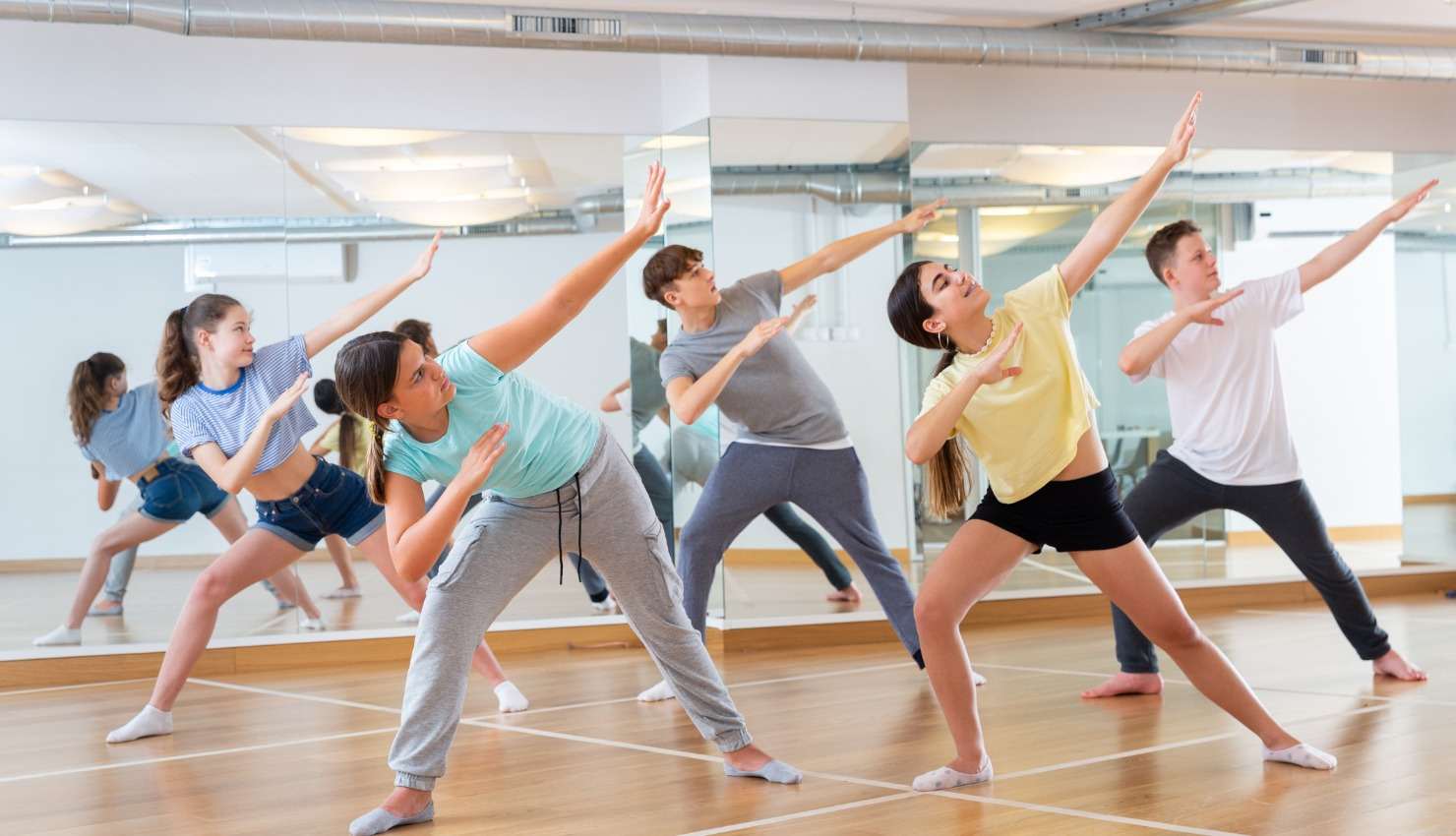
Professional dancers face physical demands unlike those of most other athletes. From intricate choreography to long rehearsal hours, intense movements, and repeated physical exertion, the body of a dancer is constantly being pushed to its limits. While the rewards of a dancing career are undeniable, the strain on the body is significant, making injury and wear-and-tear common occurrences. This is where physiotherapy becomes an essential aspect of a dancers routine, offering both preventive and rehabilitative care.
In this blog, well explore why physiotherapy is crucial for every professional dancer, focusing on injury prevention, recovery, performance enhancement, and long-term health.
1. Injury Prevention
One of the primary reasons physiotherapy is essential for dancers is its role in preventing injuries. Dancers are constantly engaging in repetitive, high-impact movements such as jumps, turns, lifts, and rapid changes in direction. This physical intensity places significant stress on muscles, joints, tendons, and bones. Over time, these movements can lead to overuse injuries, such as:
Tendinitis (inflammation of tendons)
Plantar fasciitis (heel pain)
Shin splints (pain along the shin bone)
Stress fractures (tiny cracks in bones due to repetitive impact)
Muscle strains (tears or overstretching of muscle fibers)
A physiotherapist can evaluate a dancers body mechanics, posture, and movement patterns to identify any weaknesses or imbalances that might lead to injury. With this assessment, physiotherapists can design a personalized plan to correct these imbalances and strengthen vulnerable areas.
By focusing on prehabilitation, physiotherapists can help dancers prevent injuries before they occur. They do this through targeted exercises aimed at improving flexibility, strength, and joint mobility, ensuring that the body is well-conditioned to handle the stress of dance.
2. Rehabilitation and Recovery
Even with the best preventive measures, injuries can still happen. When they do, physiotherapy plays a crucial role in rehabilitating dancers and helping them recover quickly and effectively.
Pain Management: Physiotherapists use techniques like cold and heat therapy, ultrasound therapy, and TENS (Transcutaneous Electrical Nerve Stimulation) to manage pain and inflammation in injured areas.
Strengthening After Injury: After an injury, its essential to rebuild strength and flexibility in the affected muscles and joints. Physiotherapists design customized rehabilitation programs to restore muscle function, improve range of motion, and ensure that the dancer is able to perform movements without pain or weakness.
Gradual Return to Activity: A key aspect of physiotherapy rehabilitation is helping the dancer return to full activity safely. Physiotherapists guide dancers through a step-by-step recovery plan, gradually increasing the intensity and duration of dance practice to avoid overloading the body before its fully healed.
By helping dancers recover more efficiently and safely, physiotherapy allows them to return to their performances at full capacity, reducing the risk of re-injury in the future.
3. Improved Performance and Technique
In addition to injury prevention and rehabilitation, physiotherapy can significantly enhance a dancer’s performance by improving mobility, strength, balance, and coordinationall critical components for executing difficult routines with precision.
Flexibility: Dancers require extreme flexibility, particularly in the legs, back, and arms. Physiotherapists design stretching routines that target tight muscles and improve the dancer’s range of motion. Greater flexibility allows dancers to perform movements more fluidly and with better control.
Strength: Physiotherapists work on building strength, particularly in the core, legs, and arms, as well as improving overall muscle endurance. Stronger muscles help dancers maintain posture, balance, and control throughout demanding routines, enhancing overall performance.
Balance and Stability: Dancers need excellent balance to execute spins, turns, and various poses. Physiotherapy helps develop balance and coordination through proprioception (the ability to sense the position of the body in space) exercises, such as balancing on one leg or using stability balls or balance boards.
Posture and Alignment: Proper posture and alignment are essential for preventing strain on muscles and joints during movement. Physiotherapists help correct misalignments by working on posture and body mechanics, which can reduce the risk of pain and fatigue during performances.
By improving strength, flexibility, and coordination, physiotherapy helps dancers execute challenging moves with greater precision and grace, ultimately enhancing their performance.
4. Long-Term Joint and Bone Health
Dancers frequently perform high-impact movements that can take a toll on their joints, especially the knees, hips, and ankles. Over time, repetitive use of these joints can lead to wear-and-tear, increasing the risk of joint degeneration and conditions like osteoarthritis.
Physiotherapists use joint mobilization techniques to improve joint function and decrease stiffness, ensuring that dancers maintain healthy and functional joints. Regular physiotherapy sessions can help prevent long-term joint damage by ensuring that joints remain well-aligned and capable of handling the physical stresses of dance.
Additionally, physiotherapists educate dancers on proper body mechanics, posture, and alignment to prevent undue pressure on the joints, bones, and soft tissues, contributing to a dancer’s long-term health and career longevity.
5. Maintaining Flexibility and Preventing Muscle Imbalances
Flexibility is essential for a dancers technique, particularly in movements that require high kicks, deep lunges, or expansive arm movements. However, over time, certain muscles may become tight or overstretched, leading to muscle imbalances that can negatively affect performance.
Physiotherapists help dancers maintain optimal flexibility through targeted stretching exercises and foam rolling, which helps to release tension in muscles and fascia. Physiotherapists also work to address muscle imbalances, which can develop from repetitive movements in dance. For example, a dancer who primarily performs forward bending movements may develop tight hamstrings or hip flexors, while muscles like the glutes and quadriceps may become weak.
By addressing these imbalances, physiotherapy helps dancers maintain flexibility, balance, and strength throughout their bodies, reducing the risk of injury and ensuring that all muscle groups function in harmony.
6. Holistic Wellness and Injury Prevention Education
In addition to physical rehabilitation and performance enhancement, physiotherapists play a crucial role in educating dancers about injury prevention and overall wellness. They provide guidance on:
Proper Warm-Up and Cool-Down: Physiotherapists stress the importance of warming up before a practice session or performance and cooling down afterward. This prepares the body for intense movement and promotes recovery.
Self-Care Techniques: Physiotherapists teach dancers how to perform self-massage techniques (e.g., foam rolling) and stretches to maintain flexibility and reduce muscle soreness.
Nutrition and Hydration: A dancer’s diet plays a significant role in performance and recovery. Physiotherapists can provide guidance on proper nutrition, hydration, and recovery strategies that support stamina and muscle repair.
Rest and Recovery: Overtraining can lead to burnout and injury. Physiotherapists educate dancers on the importance of rest and recovery to avoid fatigue and allow the body time to repair itself.
This holistic approach helps dancers stay healthy, avoid injury, and sustain their performance over the long term.
Conclusion
Physiotherapy is not just for recovering from injuriesit’s an essential part of a professional dancer’s routine for injury prevention, performance enhancement, and long-term health. From building strength and flexibility to improving movement efficiency, physiotherapists help dancers maintain their bodies at peak condition, allowing them to execute challenging routines with grace and precision.
By working with a physiotherapist, professional dancers can extend their careers, reduce the risk of injury, and ensure they continue to perform at their best. Whether you’re recovering from an injury, looking to enhance your performance, or focusing on long-term joint and bone health, physiotherapy is a crucial investment in your dancing career.