How Physiotherapy Helps You Improve Your Stamina for Dance explores targeted strategies for recovery. Discover new paths to mobility, healing, and personalized care.

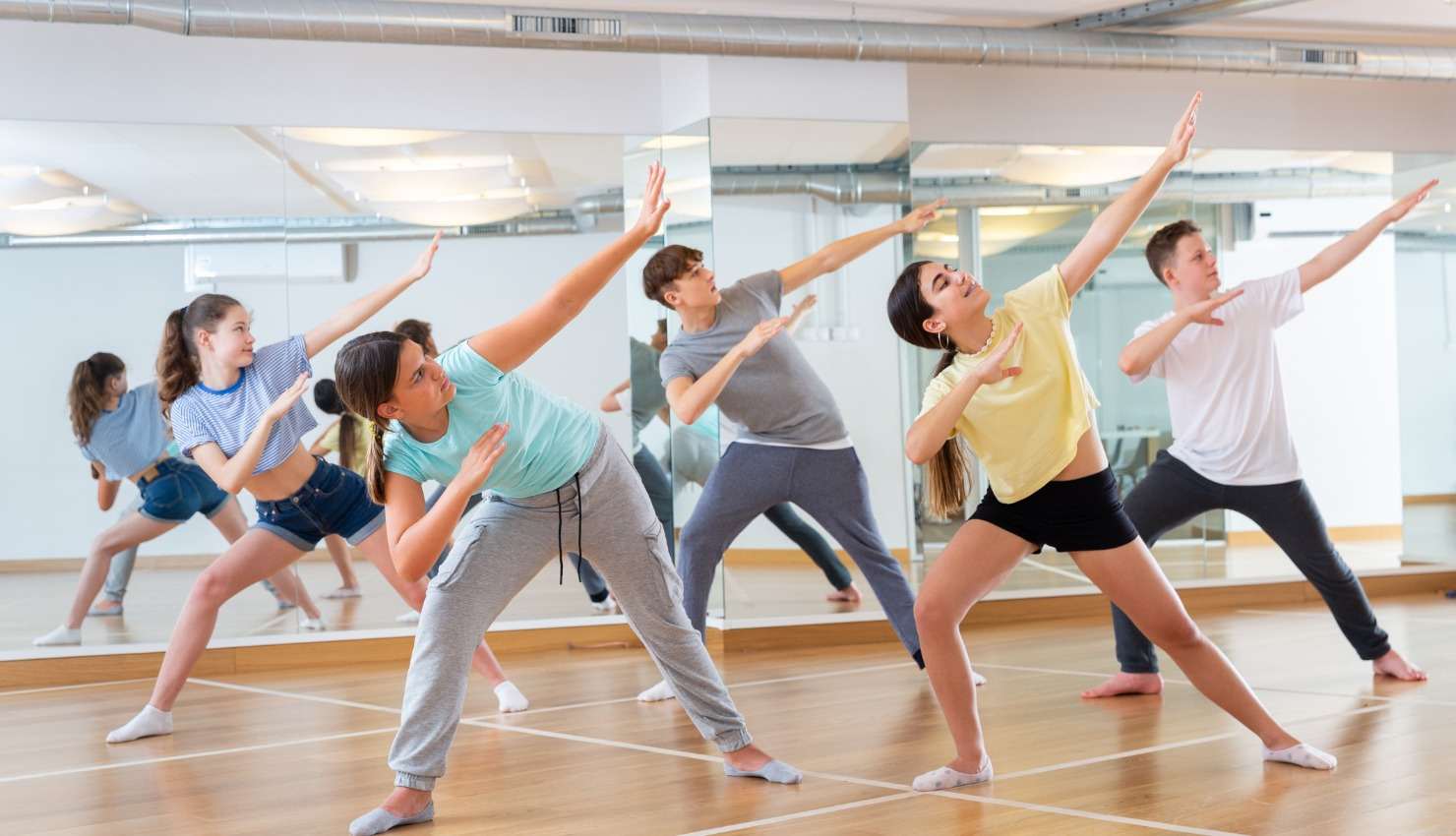
Stamina is one of the most crucial components for any dancer. Whether you’re practicing for a long rehearsal, performing an intense routine, or competing in a dance event, stamina determines how long you can maintain high energy levels, precision, and performance quality. However, dance requires the body to execute dynamic movements for extended periods, which can lead to fatigue and burnout if stamina is not properly developed and maintained.
This is where physiotherapy plays a key role. Physiotherapists use a combination of techniques and exercises to help dancers build stamina, ensuring they can maintain peak performance, reduce fatigue, and prevent injuries.
In this blog, well explore how physiotherapy helps dancers improve stamina and endurance, allowing them to push their limits while maintaining optimal health and performance.
Why Stamina is Important for Dancers
Stamina, in the context of dance, refers to a dancers ability to sustain physical effort over an extended period. Dancers need stamina to:
Perform high-energy routines without getting exhausted.
Maintain fluid and precise movements over the course of a performance or rehearsal.
Withstand the physical demands of repetitive movements, jumps, turns, and lifts.
Recover quickly between rehearsals or performances.
Without proper stamina, dancers may struggle with performance quality, experience quicker fatigue, or become more susceptible to injuries due to overexertion. Developing stamina is critical for improving overall dance performance and extending a dancers career.
How Physiotherapy Improves Stamina for Dance
Physiotherapy helps dancers improve stamina by targeting key areas such as muscle strength, cardiovascular fitness, recovery time, and movement efficiency. Heres how physiotherapy enhances a dancers ability to endure longer, more intense performances:
1. Building Muscular Endurance
Dancing demands prolonged use of the muscles, which requires muscular endurancethe ability of muscles to sustain contractions over time without tiring. Physiotherapists design exercises specifically to target the muscles involved in dance, helping dancers build the endurance necessary for their performances.
Resistance Training: Physiotherapists incorporate resistance training, using weights, resistance bands, or bodyweight exercises, to increase muscular endurance. Exercises like squats, lunges, and step-ups strengthen the legs and glutes, while exercises like planks and bridges target the core muscles.
Isometric Exercises: Isometric exercises involve holding a muscle contraction for an extended period of time. These exercises help build endurance in the muscles without causing fatigue or injury, allowing dancers to sustain poses, jumps, and other challenging movements.
High-Rep, Low-Weight Training: Physiotherapists may use high-repetition, low-weight exercises to help dancers build stamina without overloading their muscles. This approach targets muscle endurance and allows dancers to perform dynamic movements for longer periods.
By building muscular endurance, physiotherapy helps dancers maintain strength and control throughout their routines, reducing the likelihood of premature fatigue.
2. Improving Cardiovascular Fitness
Cardiovascular endurance is crucial for dancers, as dance routines require sustained heart and lung function. A strong cardiovascular system allows dancers to perform energetic movements and recover quickly between sequences. Physiotherapists incorporate cardiovascular exercises into a dancers training program to improve heart health and stamina.
Aerobic Exercises: Physiotherapists may recommend aerobic exercises like cycling, swimming, or brisk walking to improve cardiovascular fitness. These activities increase the efficiency of the heart and lungs, making it easier for dancers to perform for longer periods without feeling winded.
Interval Training: Interval training, which alternates between high-intensity and low-intensity activities, is particularly effective for dancers. Physiotherapists design interval-based exercises that mimic the intensity of dance routines, helping dancers build stamina and recover quickly between bursts of energy.
Circuit Training: A mix of aerobic and strength exercises performed in quick succession can simulate the physical demands of dance, helping dancers improve both their cardiovascular and muscular endurance. Circuit training may include exercises like jumping jacks, burpees, or sprints, followed by strength exercises like lunges or squats.
By improving cardiovascular fitness, physiotherapy allows dancers to perform longer with less fatigue and bounce back quickly after intense activity.
3. Enhancing Recovery Time Between Dance Routines
Stamina isn’t just about sustaining energy during a performanceit’s also about how quickly a dancer can recover between sets, rehearsals, or performances. Proper recovery ensures that dancers can give their best performance each time without experiencing undue fatigue.
Active Recovery: Physiotherapists encourage active recovery exercises, which involve low-intensity movements like walking, light jogging, or stretching. These exercises keep the blood circulating and help remove lactic acid from muscles, speeding up recovery time.
Stretching and Flexibility: After a performance or rehearsal, stretching exercises are essential for maintaining flexibility and promoting blood flow to the muscles. Stretching helps relax tight muscles, reduce soreness, and prevent injury, enabling quicker recovery for the next session.
Breathing Techniques: Proper breathing is vital for maintaining stamina and recovery. Physiotherapists may incorporate breathing exercises to help dancers control their breath and improve oxygen intake, ensuring efficient energy use during intense routines and aiding in faster recovery.
By improving recovery time, physiotherapy ensures that dancers can continue to perform at their best without prolonged downtime or injury risk.
4. Improving Movement Efficiency
Efficiency of movement is essential for maintaining stamina during a dance performance. The more efficient a dancers movements are, the less energy is wasted. Physiotherapists assess the dancers movement patterns and technique to identify any inefficiencies or excess energy expenditure.
Posture and Alignment: Physiotherapists correct posture and alignment issues that may be contributing to wasted energy. By ensuring proper body alignment, physiotherapists help dancers perform movements with greater ease, conserving energy for longer periods.
Biomechanics Assessment: Physiotherapists analyze the biomechanics of each movement to ensure that dancers are using their muscles and joints effectively. For example, they may evaluate how a dancer uses their feet and ankles during jumps or landings and make adjustments to prevent energy loss.
Gait Training: Proper gait training is essential for maintaining stamina. Physiotherapists may guide dancers on how to move efficiently by refining walking, running, or jumping techniques to minimize energy expenditure.
By improving movement efficiency, physiotherapy helps dancers preserve energy throughout a performance and prevent early fatigue.
5. Injury Prevention and Maintenance
Injuries can severely impact stamina, as pain and discomfort limit a dancers ability to perform. Physiotherapists focus on injury prevention through strengthening, flexibility, and body awareness exercises, ensuring that dancers remain injury-free and can continue to improve their stamina.
Prehabilitation Exercises: Physiotherapists design exercises that focus on strengthening areas of weakness or vulnerability before an injury occurs. Prehabilitation exercises help prevent injuries like sprains, strains, or tendinitis, which could interrupt a dancers training.
Biomechanical Adjustments: A physiotherapist may make recommendations to improve posture, alignment, or technique, which can reduce the risk of injury and ensure that the dancer performs with optimal efficiency and stamina.
By reducing the risk of injury, physiotherapy helps dancers maintain consistent training and performance, which is essential for building stamina.
Conclusion
Building stamina for dance is a process that involves improving muscular endurance, cardiovascular fitness, movement efficiency, and recovery time. Physiotherapy plays a vital role in this process by offering a comprehensive approach to strengthening, conditioning, and injury prevention. Through targeted exercises, movement assessments, and injury prevention strategies, physiotherapy helps dancers perform at their best for longer periods without succumbing to fatigue or injury.
If youre a dancer looking to improve your stamina, working with a physiotherapist can provide you with the tools and guidance necessary to build endurance, improve recovery, and take your performance to the next level. Whether youre a beginner or an experienced dancer, physiotherapy can be a key component in enhancing your stamina, ensuring you can perform with energy, precision, and grace.
Tools