Why Dancers Should Seek Physiotherapy to Improve Mobility explores targeted strategies for recovery. Discover new paths to mobility, healing, and personalized care.

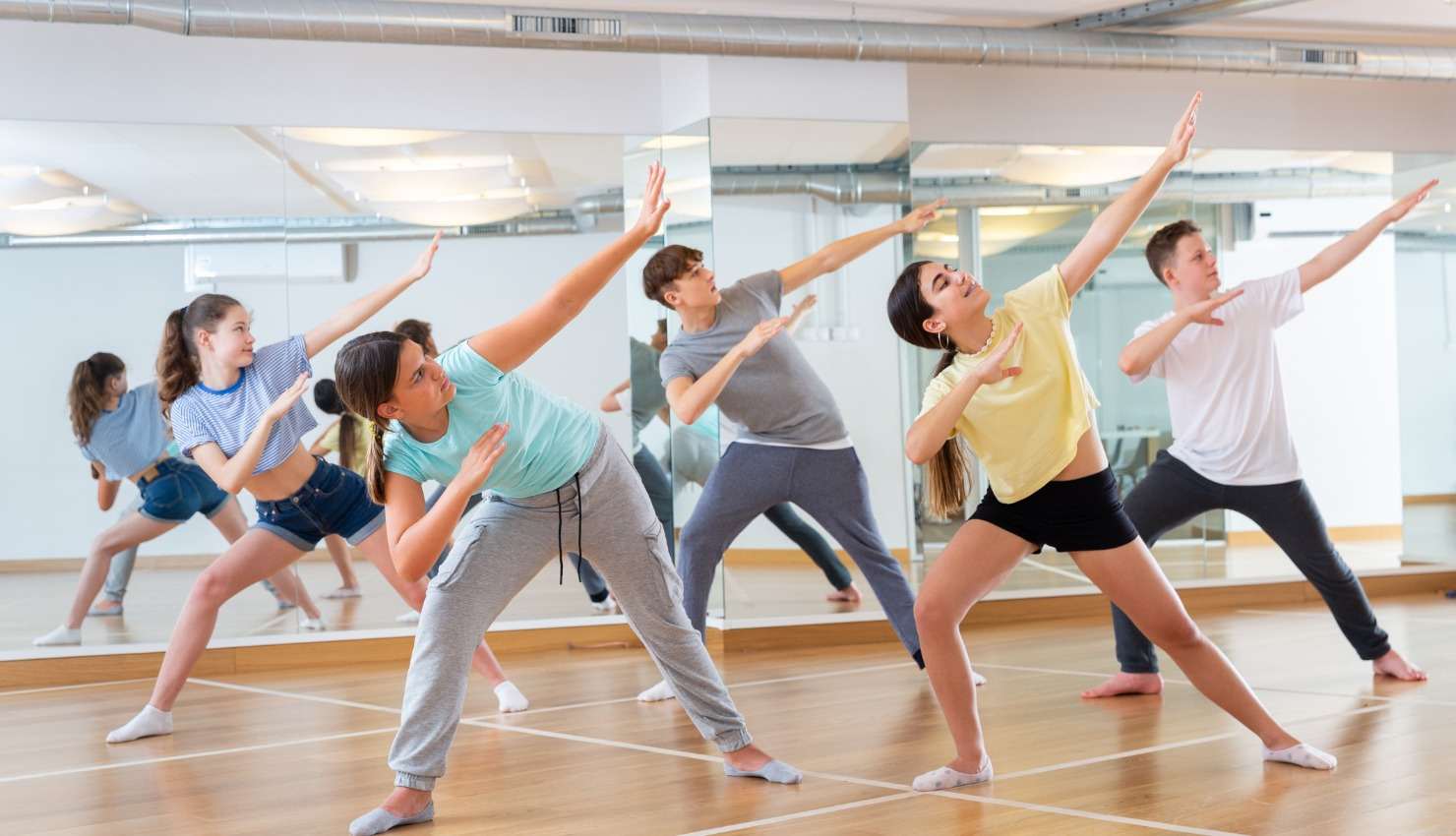
Dancing demands a high level of physical agility, flexibility, strength, and control. From graceful pirouettes to powerful jumps, dancers need to have excellent mobility in order to execute movements with precision and artistry. Mobilitythe ability of joints and muscles to move freely through their full range of motionis essential for every aspect of dance performance. However, dancers often push their bodies to the limit, which can lead to stiffness, tension, and injuries. This is where physiotherapy can play a crucial role in improving mobility, preventing injuries, and enhancing performance.
In this blog, we’ll explore why dancers should seek physiotherapy to improve mobility and how it can help them perform at their best.
Understanding Mobility and Its Importance for Dancers
Mobility refers to the ability of joints to move freely and the muscles to stretch and contract effectively, allowing for fluid and controlled movement. In dance, this means that a dancer needs to have:
Joint Flexibility: The ability of joints (such as the hips, ankles, knees, and shoulders) to move through a full range of motion.
Muscle Flexibility: The capacity of muscles to lengthen and stretch without causing injury, which enables dancers to perform large, graceful movements.
Functional Movement: The ability to move in a controlled manner, relying on strength and flexibility for every action.
Mobility plays a vital role in a dancers ability to execute specific movements with proper form. For example, high kicks, deep lunges, and intricate footwork all require the dancer to have optimal joint and muscle flexibility. Without the right level of mobility, a dancer may struggle with technique, leading to suboptimal performance, discomfort, or even injury.
How Physiotherapy Improves Mobility for Dancers
Physiotherapy is an essential tool for improving mobility, especially for dancers. Physiotherapists are trained to assess, treat, and guide dancers through specialized exercises that target areas of stiffness or limitation. Heres how physiotherapy can improve a dancers mobility:
Targeted Stretching Programs
Tight muscles are a common issue for dancers, as repetitive movement patterns can lead to muscle shortening and stiffness. Stretching is key to improving flexibility, but not all stretches are effective for improving mobility. Physiotherapists develop personalized stretching programs designed to target specific muscle groups that need lengthening. These stretches can help improve the range of motion in the muscles and joints, allowing dancers to move more freely and perform a wider range of movements.
Common stretches that physiotherapists might recommend include:
Dynamic Stretching: These stretches involve movement and are performed before a dance session to prepare the body for activity. Dynamic stretches can improve joint flexibility and muscle function.
Static Stretching: These stretches involve holding a position for an extended period to elongate muscles and improve flexibility. Static stretches are typically performed after a dance session to promote recovery and prevent stiffness.
Joint Mobilization Techniques
Sometimes, restricted joint mobility can prevent a dancer from achieving full range of motion. Physiotherapists use joint mobilization techniques, which involve applying gentle, controlled pressure to joints to improve their movement. This can be particularly beneficial for dancers who experience stiffness in areas like the hips, ankles, or shoulders, where joint mobility is critical for smooth movement.
Hip Mobilization: The hips are a key area of mobility for dancers, especially in styles that involve a lot of leg work, like ballet or contemporary. Physiotherapists use mobilization techniques to increase hip joint flexibility and relieve tightness in the surrounding muscles.
Ankle Mobilization: Ankle mobility is essential for performing footwork, jumps, and landing techniques. Physiotherapists can work on increasing the range of motion in the ankle joint, helping dancers improve their foot positioning and control during performances.
Strengthening Exercises to Support Mobility
Increased mobility isnt just about flexibilityit also involves strength. Strong muscles provide the support needed to control and stabilize joints during movement. Physiotherapists design strengthening exercises that target key muscles to improve both strength and mobility. By strengthening muscles that support the joints, dancers are able to move more fluidly and safely.
Examples of strengthening exercises that physiotherapists may recommend include:
Core Strengthening: A strong core is essential for overall stability and proper movement in dance. Physiotherapists often incorporate exercises such as planks, leg raises, and bridges to improve core stability, which in turn enhances mobility in the upper and lower body.
Hip and Glute Strengthening: Many dance movements require strong glutes and hips for power and flexibility. Physiotherapists may include exercises like clamshells, hip thrusts, and resistance band work to target these areas.
Improved Posture and Alignment
Poor posture and misalignment can negatively impact mobility, causing unnecessary strain on muscles and joints. Physiotherapists assess a dancers posture and body alignment to identify areas of concern. They then provide corrective exercises to improve posture, which helps restore balance and functionality to the body.
Correct alignment allows for better distribution of force and reduces the risk of overuse injuries in the muscles and joints. With improved posture and alignment, dancers experience greater ease in their movements and can perform complex choreography with better control and fluidity.
Injury Prevention
Dancers are particularly prone to injuries like sprains, strains, and stress fractures due to the high-impact and repetitive nature of dance. Physiotherapy is key to injury prevention by addressing any areas of weakness or imbalance that may affect mobility. Physiotherapists can use functional movement assessments to identify potential risks and create a personalized program to strengthen weak areas and prevent injuries.
For example, a dancer who has poor ankle mobility or strength is more likely to suffer from ankle sprains during jumps. Physiotherapists can develop exercises to improve ankle stability and mobility, which reduces the risk of injuries.
Recovery from Injury
For dancers recovering from an injury, physiotherapy plays a vital role in restoring mobility. Physiotherapists use a combination of manual therapy, stretching, strengthening, and specific mobility exercises to help dancers regain their full range of motion following an injury. They also provide education on proper movement patterns to ensure that the dancer avoids compensating or altering their technique, which could further limit mobility or lead to new injuries.
Body Awareness and Proprioception
Proprioception, or the sense of body position and movement, is essential for maintaining fluidity and control in dance. Physiotherapists work on improving proprioception by incorporating balance and coordination exercises into their programs. These exercises help dancers develop a better understanding of their body’s position in space, improving their ability to execute precise movements.
Conclusion
For dancers, mobility is crucial for executing moves with precision and grace. Whether you’re a professional or an amateur dancer, seeking physiotherapy to improve mobility can enhance your overall performance, reduce the risk of injuries, and ensure long-term success in your dance journey.
Through personalized stretching programs, joint mobilization, strengthening exercises, and postural correction, physiotherapists help dancers unlock their full movement potential. If you’re looking to improve your flexibility, strength, and overall mobility, physiotherapy offers a targeted and effective approach to enhancing your dance skills. So, whether you’re recovering from an injury or striving for better performance, physiotherapy should be an integral part of your dance routine.