Can Physiotherapy Help with Coordination and Balance in Dance? explores targeted strategies for recovery. Discover new paths to mobility, healing, and personalized care.

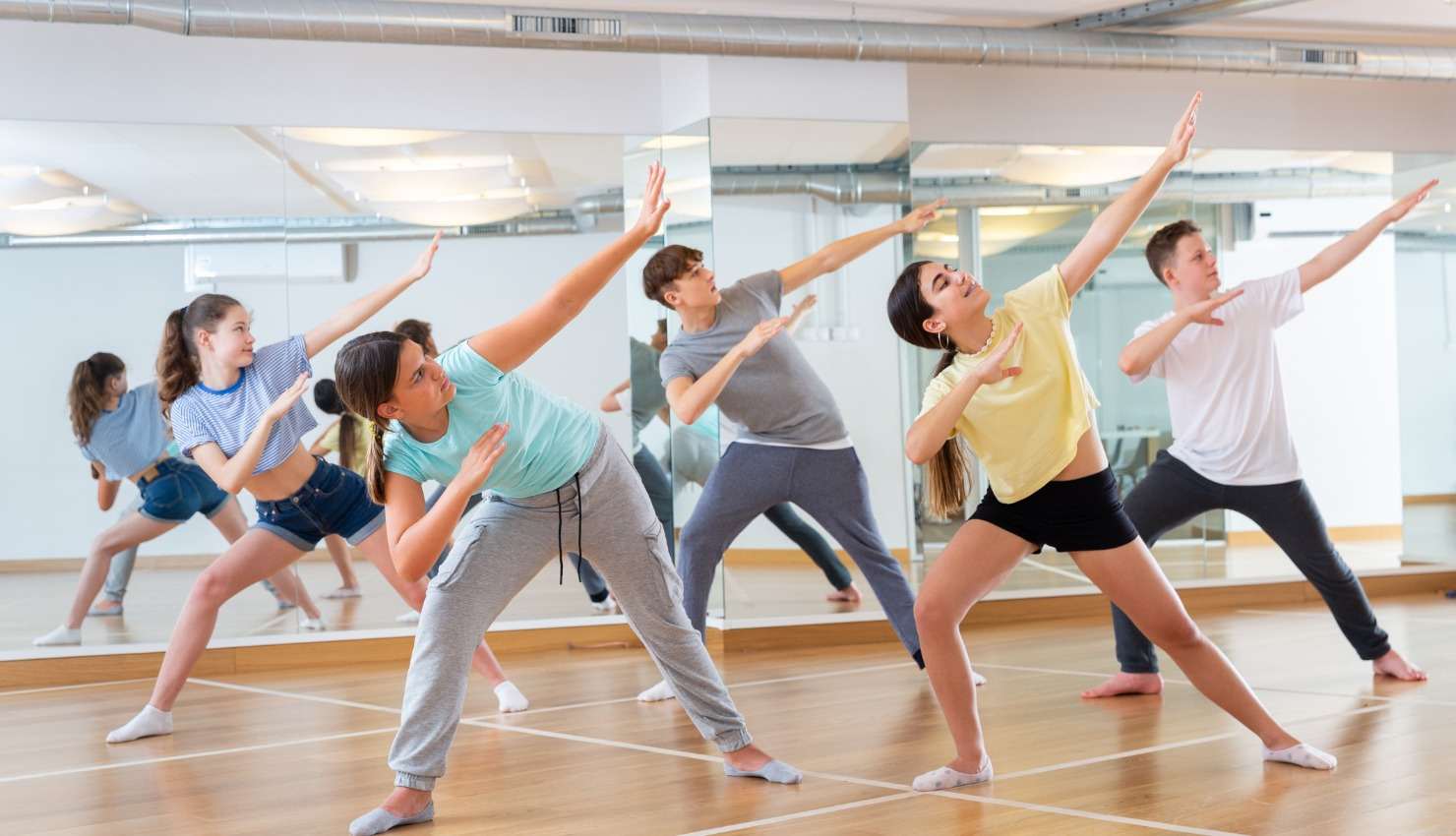
Dancing requires impeccable coordination and balance, as these elements are essential for executing complex movements and maintaining control. Whether its during a pirouette or an intricate leap, a dancers ability to coordinate their body and balance effectively is critical for both performance and injury prevention. Physiotherapy can play a vital role in improving coordination and balance, ultimately enhancing a dancers overall performance.
The Role of Coordination and Balance in Dance
Coordination refers to the ability to synchronize body movements to execute dance routines with precision. Balance, on the other hand, ensures stability while performing movements that require control, such as spins or jumps. Both are fundamental to all forms of dance, and any imbalance or lack of coordination can lead to suboptimal performance or even injury.
How Physiotherapy Enhances Coordination and Balance
Physiotherapy focuses on improving motor control and body awareness, both of which contribute to enhanced coordination and balance. Physiotherapists use a combination of exercises and techniques that target the nervous system, muscle function, and proprioception (awareness of body position in space).
Proprioceptive Exercises
Physiotherapists often incorporate exercises that challenge the bodys proprioception. These exercises involve unstable surfaces like balance boards or wobble cushions, which help improve the bodys ability to sense its position in space. By training the body to respond to these challenges, dancers develop better balance and coordination.
Core Strengthening
A strong core is essential for maintaining stability in many dance movements. Physiotherapists focus on exercises that target the deep abdominal muscles, back muscles, and hip flexors. Exercises like planks, leg raises, and Russian twists help improve core strength, contributing to better control and balance in dance.
Dynamic Balance Training
Physiotherapists incorporate dynamic balance exercises, which involve performing movements while maintaining stability. Examples include lunges, squats, and leg lifts performed while balancing on one leg. These exercises train the body to maintain balance during motion, a skill essential for dancers.
Neuromuscular Re-education
For dancers recovering from injury or struggling with coordination, neuromuscular re-education techniques are used. These exercises help retrain the nervous system to activate muscles in the correct sequence, improving overall coordination and movement control.
Joint Mobilization
Joint mobilization techniques are used to improve joint flexibility and range of motion. Greater flexibility allows dancers to perform more intricate movements, and better joint mobility enhances balance by preventing stiffness that can limit fluid motion.
Conclusion
Physiotherapy is a powerful tool for improving coordination and balance in dance. By incorporating proprioceptive exercises, core strengthening, dynamic balance training, and neuromuscular re-education, physiotherapists help dancers enhance their overall performance and reduce the risk of injury. Through consistent physiotherapy, dancers can achieve better control over their movements, leading to a more graceful and effective performance.