How Physiotherapy Supports Dance Performance Enhancement explores targeted strategies for recovery. Discover new paths to mobility, healing, and personalized care.

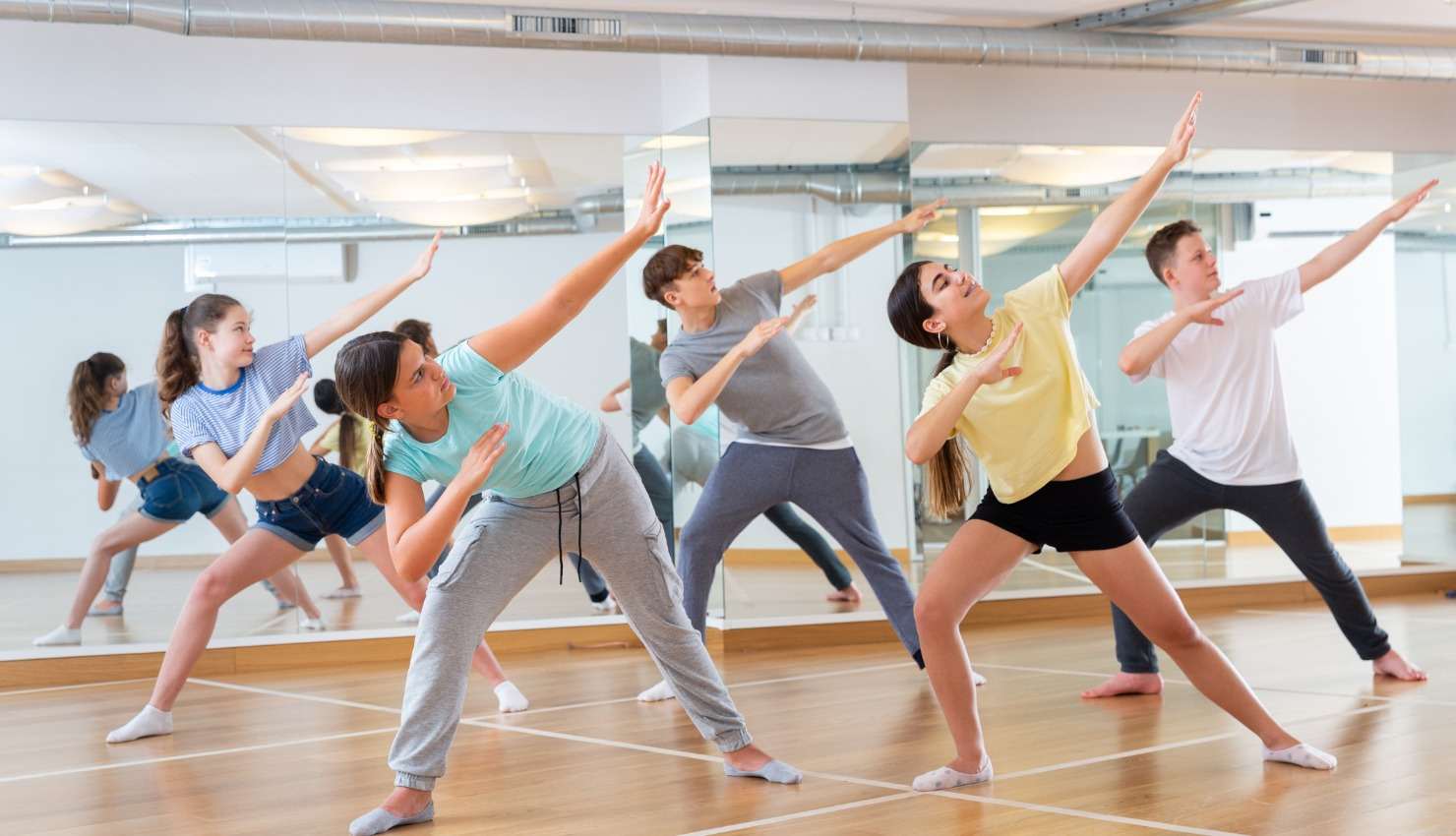
Dance is not only an art form but also an intense physical activity that demands flexibility, strength, endurance, and coordination. While dancers naturally work on improving their technique, physiotherapy can serve as a crucial support system in enhancing overall dance performance. By focusing on muscle function, injury prevention, and optimal movement patterns, physiotherapy plays a pivotal role in helping dancers perform at their best.
The Demands of Dance Performance
Dancing requires precise control of body movements, balance, flexibility, and strength. Whether performing a fast-paced contemporary routine or a graceful ballet sequence, dancers are constantly putting stress on their muscles and joints. This repetitive strain can lead to injuries, overuse of muscles, and loss of performance quality if not properly managed. The focus, therefore, should not only be on perfecting the dance routine but also on supporting the body with physiotherapy to achieve peak performance.
How Physiotherapy Enhances Dance Performance
Physiotherapy takes a comprehensive approach, targeting not just the bodys recovery from injuries but also its overall ability to function at a high level. Here’s how physiotherapy helps dancers enhance their performance:
Injury Prevention
The first step in improving dance performance is preventing injuries. Physiotherapists conduct assessments to identify areas of weakness, tightness, or imbalance in a dancer’s body. By addressing these concerns early on, physiotherapists can reduce the risk of injuries that may hinder performance. Prehabilitation exercises strengthen vulnerable areas, improve flexibility, and promote proper posture, all of which contribute to a dancers overall ability to perform at their best.
Improved Flexibility
Flexibility is an essential aspect of dance, allowing dancers to move gracefully and execute wide-ranging movements with ease. Physiotherapists work with dancers to improve their flexibility through targeted stretching programs that enhance muscle length and joint range of motion. Improved flexibility allows for more dynamic and controlled movements, enabling dancers to perform advanced choreography without strain.
Core Strength and Stability
Core strength is a fundamental aspect of dance performance. A strong core supports almost every movement a dancer performs, from maintaining balance during spins to holding poses with stability. Physiotherapy programs emphasize strengthening the core musclesprimarily the abdominals, lower back, and pelvic musclesthrough exercises like planks, leg raises, and stability ball routines. A stable core provides the foundation for better posture, alignment, and control.
Posture Correction
Correct posture is crucial for dancers to maintain proper alignment during movement. Misalignment can lead to muscle strain, fatigue, and performance inefficiencies. Physiotherapists work on posture correction by identifying alignment issues and developing exercises to improve posture. This ensures that dancers maintain optimal body mechanics, which enhances their ability to perform movements correctly and efficiently.
Joint Mobility
Joint mobility refers to the ability of joints to move through their full range of motion without discomfort. Physiotherapists use joint mobilization techniques to improve mobility, particularly in areas like the hips, knees, ankles, and shoulders, which are highly involved in dance movements. Increasing joint mobility enhances a dancers ability to execute complex movements, such as high kicks, jumps, and spins, with ease and precision.
Strength and Endurance Training
Dance requires both strength and endurance, especially in the lower body and core. Dancers who lack strength or endurance can tire easily, leading to performance setbacks. Physiotherapists design strength training programs that focus on building muscle strength and improving cardiovascular endurance. These exercises help dancers build the stamina needed to perform routines without losing energy, preventing early fatigue during long practice sessions or performances.
Recovery from Overuse
Repeated dance movements can lead to overuse injuries, such as tendinitis, muscle strains, or stress fractures. Physiotherapists help dancers recover from these injuries by providing techniques like manual therapy, stretching, strengthening, and soft tissue treatments. By supporting recovery and rehabilitation, physiotherapy enables dancers to resume practice with minimized risk of reinjury.
Mind-Body Connection
Physiotherapists also focus on the mind-body connection to improve overall body awareness. Through exercises like proprioception training and neuromuscular re-education, dancers become more aware of their bodys position in space. This enhanced body awareness allows dancers to make adjustments to their movements for better efficiency and fluidity.
Personalized Physiotherapy Plans for Dancers
Every dancers body is different, and so are their needs. Physiotherapists develop personalized rehabilitation and performance enhancement plans that consider an individuals movement patterns, strength, flexibility, and dance style. Whether a dancer specializes in ballet, contemporary, hip-hop, or ballroom, the physiotherapy program is tailored to address their specific needs and goals.
These personalized plans include:
Stretching and strengthening routines
Injury prevention strategies
Core stabilization exercises
Functional training to improve mobility and flexibility
Techniques to improve posture and alignment
By customizing these exercises, physiotherapists ensure that dancers can safely push their limits while maintaining top-tier performance.
Conclusion
Physiotherapy is an invaluable tool for any dancer looking to enhance their performance. Whether its preventing injuries, improving flexibility, building core strength, or recovering from overuse, physiotherapy supports dancers in all aspects of their physical conditioning. With a tailored approach, physiotherapists help dancers optimize their physical potential, leading to better performances, fewer injuries, and a longer career in dance.