How Physiotherapy Improves Joint Mobility for Dancers explores targeted strategies for recovery. Discover new paths to mobility, healing, and personalized care.

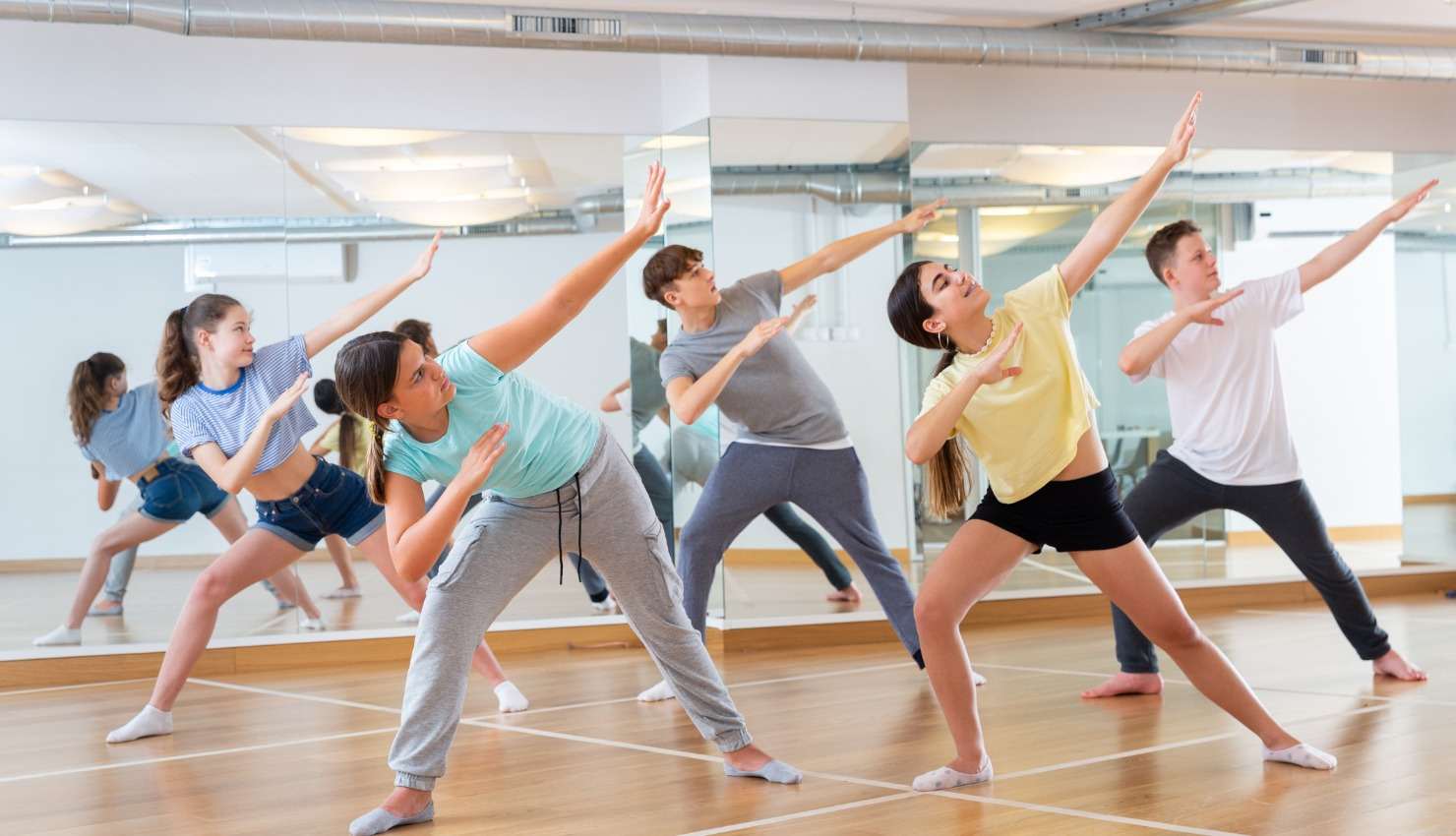
As a dancer, every movement counts. Whether youre performing a pirouette, executing a perfect leap, or hitting an intricate floor move, fluidity, precision, and flexibility are essential to your performance. However, after years of practicing demanding routines and movements, dancers can sometimes experience stiffness or reduced range of motion in their joints. These restrictions can hinder performance and, if left unaddressed, lead to injuries. Fortunately, physiotherapy plays a significant role in improving joint mobility for dancers, enabling them to perform with ease and precision.
Understanding Joint Mobility in Dance
Joint mobility refers to the ability of a joint to move freely through its full range of motion without restriction. For dancers, this is vital since almost every movement requires their joints, particularly in areas like the ankles, hips, knees, and shoulders, to move fluidly and efficiently. Reduced mobility in any of these areas can impact a dancers ability to perform basic and complex moves, ultimately affecting their performance quality. Joint stiffness or reduced range of motion can also increase the likelihood of injuries, particularly in high-impact dance styles like ballet, hip-hop, or contemporary.
How Physiotherapy Helps Improve Joint Mobility
Physiotherapy is a highly effective tool for improving joint mobility, especially for dancers who require their bodies to be agile and flexible. Physiotherapists use a combination of techniques tailored to the individual dancer’s needs to restore joint mobility and overall movement efficiency. Heres how physiotherapy can help:
Manual Therapy Techniques
Physiotherapists are trained in using hands-on techniques such as joint mobilization and manipulation to increase the range of motion in stiff joints. These methods can be particularly beneficial for dancers suffering from restricted mobility in their ankles, hips, or shoulders, which are commonly overused in dance. Through manual therapy, the physiotherapist gently manipulates the affected joint, easing tension and helping to restore its natural movement.
Strengthening Exercises
Improving joint mobility goes hand in hand with strengthening the muscles that support those joints. Physiotherapists design specific exercises that target weak muscles around the joints, aiming to improve both strength and stability. For example, strengthening the quadriceps and hamstrings around the knee joint helps support proper knee alignment and enhances its range of motion. Similarly, strengthening the hip abductors and adductors can aid hip mobility, ensuring that dancers can move their legs freely without discomfort.
Stretching and Flexibility Training
Flexibility plays an essential role in joint mobility. Tight muscles can restrict a joints range of motion, making even the simplest movements more difficult. Physiotherapists incorporate stretching exercises that target key muscle groups used by dancers, such as the hamstrings, hip flexors, calves, and lower back. Consistent stretching routines help lengthen and relax muscles, which in turn allows for improved flexibility and greater joint movement.
Postural Alignment and Correction
Dancers often focus on precision and form, but poor posture can lead to muscle imbalances and restricted mobility. Physiotherapists evaluate and correct postural alignment to ensure that the body is in optimal position during movement. For example, poor spinal alignment can restrict hip movement or lead to tension in the lower back, impacting a dancers range of motion. Physiotherapists help dancers maintain proper posture and alignment during training and performances, which aids in preserving joint mobility.
Targeted Mobility Drills
Dancers can benefit from targeted mobility drills designed to increase the range of motion in specific joints. These exercises focus on controlled, slow movements that gradually increase the flexibility and mobility of the joint in a safe and controlled manner. For instance, ankle mobility exercises can help a dancer perform more effective and controlled footwork, while shoulder mobility drills can improve arm movements for better extension and execution.
Injury Prevention and Recovery
Physiotherapy isn’t just about improving current mobility; its also about preventing future injuries and aiding in recovery. Regular physiotherapy can identify and address areas of the body that are vulnerable to injury. For example, dancers often experience overuse injuries in their knees or hips, which can result in restricted movement. Physiotherapists help manage these areas, guiding dancers through recovery with exercises that restore mobility and prevent the injury from recurring.
Personalized Treatment Plans
One of the most beneficial aspects of physiotherapy is the personalized approach that physiotherapists take when creating a treatment plan. Each dancer has unique movement patterns, strengths, and areas that need attention. Physiotherapists assess these individual needs and tailor their techniques accordingly. Whether a dancer is struggling with limited ankle mobility or tight hip flexors, physiotherapy ensures that each issue is addressed in a way that promotes overall joint health.
Key Benefits of Improved Joint Mobility for Dancers
Improved joint mobility has a direct impact on a dancers performance and long-term health. Here are just a few key benefits:
Enhanced Performance
With increased joint mobility, dancers are able to execute more complex and precise movements. This enables them to perform with greater fluidity and grace, making each step more defined and seamless. Better range of motion leads to enhanced flexibility, which is especially important for styles like ballet or contemporary dance, where deep stretches and exaggerated movements are common.
Reduced Risk of Injury
Joint stiffness and limited mobility can increase the risk of injury, especially when a dancer attempts to perform movements outside of their natural range of motion. By improving joint flexibility and strength, physiotherapy reduces the likelihood of injuries such as sprains, strains, or overuse injuries. This is particularly crucial for dancers who regularly perform high-impact moves.
Faster Recovery
If a dancer does experience an injury, physiotherapy plays a crucial role in recovery. By improving mobility and addressing muscle imbalances, physiotherapy accelerates the healing process. Whether recovering from an ankle sprain or a knee injury, physiotherapists guide dancers through exercises and therapies that restore movement and prevent long-term damage.
Long-Term Health and Longevity
Joint mobility is not only important for performance but for maintaining long-term joint health. Regular physiotherapy ensures that joints remain healthy and well-functioning, reducing the risk of degenerative issues later in life. This is particularly important for dancers who put a lot of stress on their bodies over the years. Physiotherapy can help prevent early onset of arthritis or other joint conditions, allowing dancers to continue performing well into their later years.
Increased Flexibility and Comfort
Improved joint mobility often leads to better overall flexibility and comfort. Dancers will find that their movements feel easier and less strained, allowing them to perform without discomfort. When joints move freely and muscles are well-stretched, dancers can experience smoother transitions and movements that feel more natural.
Conclusion
Joint mobility is a critical component of a dancers physical well-being. Without proper range of motion, dancers may struggle with performance, experience pain, or even risk serious injury. Physiotherapy offers a solution that improves joint mobility, restores flexibility, and prevents future injuries. By incorporating physiotherapy into their training routine, dancers can not only improve their performance but also ensure long-term joint health and career longevity. If youre a dancer looking to improve your joint mobility and elevate your performance, physiotherapy is the key to unlocking your full potential.