The Key Benefits of Physiotherapy for Hip-Hop Dancers explores targeted strategies for recovery. Discover new paths to mobility, healing, and personalized care.

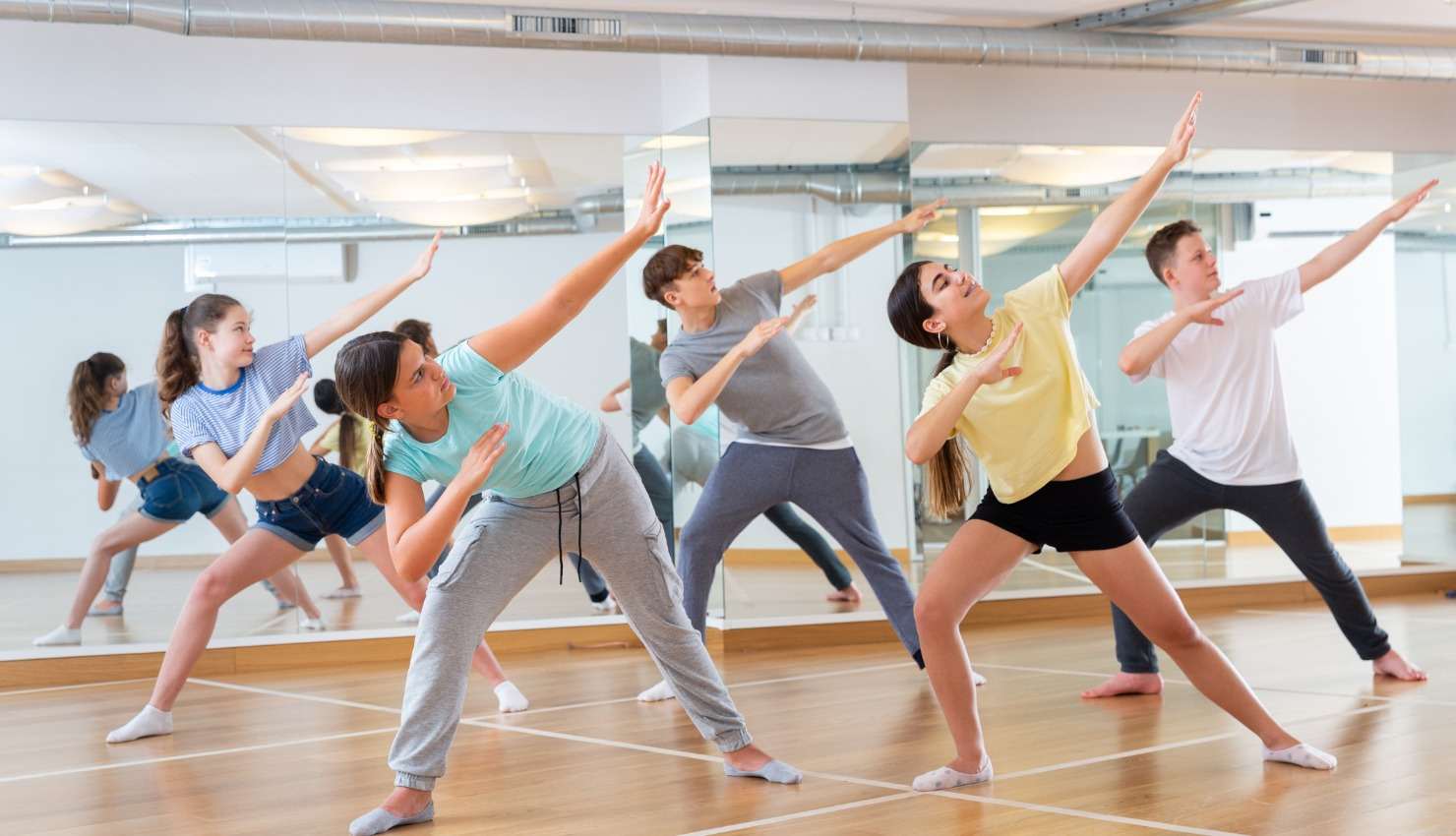
Hip-hop dance is a dynamic and high-energy style that requires strength, coordination, flexibility, and agility. With movements like popping, locking, breaking, and freestyling, hip-hop dancers constantly push their bodies to the limit. The physical demands of hip-hop can strain muscles, joints, and tendons, often leading to injuries if not properly managed. Physiotherapy offers a vital solution for hip-hop dancers, helping them improve their performance, prevent injuries, and recover faster when setbacks occur.
The Rigors of Hip-Hop Dance
Hip-hop dance involves a combination of explosive movements and intricate body isolations. Whether its executing high-impact jumps, performing fast footwork, or holding complex poses, hip-hop dancers rely on their bodies to move fluidly and precisely. However, these high-intensity movements often lead to overuse injuries, muscle strains, joint discomfort, and even repetitive stress injuries in areas like the knees, back, and shoulders. This makes injury prevention and recovery especially important for hip-hop dancers who push their bodies to their limits.
How Physiotherapy Benefits Hip-Hop Dancers
Injury Prevention
The intensity and quickness of hip-hop movements can put dancers at risk of acute injuries, such as sprains, strains, and dislocations, as well as overuse injuries, like tendonitis or stress fractures. Physiotherapists help hip-hop dancers reduce the risk of injury by focusing on proper body mechanics, strength, flexibility, and technique. They provide tailored exercise programs that target muscle groups most affected by hip-hop dancing, such as the legs, core, and shoulders, helping to stabilize joints and prevent strain.
By assessing a dancers movement patterns, physiotherapists can pinpoint areas where imbalances or weaknesses exist. For example, dancers may have strong lower limbs but weak core muscles, which can lead to instability during certain movements. Physiotherapists address these imbalances through exercises that strengthen specific muscle groups, improving overall body control and reducing the risk of injury.
Improved Flexibility and Mobility
Flexibility is a key component of hip-hop dance, enabling dancers to execute wide-ranging movements with ease. Physiotherapists use targeted stretching and mobility exercises to improve flexibility, especially in areas like the hips, hamstrings, and shoulders. Stretching routines and mobility drills help dancers achieve a full range of motion, allowing them to perform movements such as deep squats, high kicks, or wide-reaching arm movements without restrictions.
A flexible body is less likely to suffer from muscle strains or joint injuries, especially when performing fast, high-impact moves. Physiotherapists also focus on joint mobility, which can help dancers improve the fluidity and efficiency of their movements.
Strengthening and Conditioning
Dancers rely on strength to control their movements and support their bodies through complex routines. Hip-hop dancers, in particular, place a lot of strain on their lower body and core, especially during jumps, landings, and floor work. Weakness in any of these areas can lead to improper movement patterns and increased stress on the joints, leading to pain and injury.
Physiotherapists create specific strength-building exercises to target these critical areas. By focusing on strengthening the legs, hips, core, and upper body, physiotherapists help dancers build the necessary strength to perform explosive movements while maintaining proper form. This also supports injury prevention, as stronger muscles reduce the strain on joints and connective tissues.
Correcting Posture and Alignment
Proper posture and alignment are essential for executing hip-hop movements safely and efficiently. Dancers who fail to maintain proper posture may develop compensatory movement patterns that put unnecessary stress on certain muscles or joints. For example, incorrect posture during a jump can increase pressure on the knees, potentially causing long-term problems.
Physiotherapists work with dancers to correct any misalignments in their posture and body positioning. By providing postural training and exercises designed to strengthen the muscles responsible for maintaining proper alignment, physiotherapists help dancers perform with greater ease and prevent injuries related to poor posture.
Pain Management
Hip-hop dancers are no strangers to muscle soreness and joint discomfort, especially after intense practice sessions or performances. Physiotherapists use various techniques to manage and alleviate pain. Modalities such as ice and heat therapy, ultrasound, and electrical stimulation can reduce inflammation and promote healing. Manual therapy, including massage and myofascial release, can also help relieve muscle tightness and improve flexibility.
In addition to these treatments, physiotherapists guide dancers through specific exercises that target the affected areas, helping to reduce pain while promoting long-term healing. By addressing pain proactively, physiotherapists enable dancers to recover faster and get back to training sooner.
Rehabilitation After Injury
Despite the best efforts at injury prevention, accidents can still happen. When hip-hop dancers do experience injuries, physiotherapy is essential for rehabilitation. Whether its a sprained ankle, strained muscle, or more serious injury, physiotherapists provide rehabilitation programs that help dancers recover quickly and safely.
The recovery process often involves a combination of strength-building exercises, flexibility training, manual therapy, and pain management. Physiotherapists gradually increase the intensity of exercises as the dancers body heals, helping them regain mobility, strength, and functionality. A well-structured rehabilitation program can minimize downtime and ensure the dancer returns to their full potential without the risk of re-injury.
Individualized Treatment Plans
Every dancer is unique, and so are their needs. Physiotherapists tailor their treatments to the individual dancer, considering factors such as their dance style, injury history, and specific movement challenges. For example, a dancer who performs more intricate footwork may require more focus on ankle and foot strength, while a dancer who regularly performs lifts and aerial movements may need more upper body conditioning.
Physiotherapists create personalized treatment plans that address the dancers specific needs, ensuring that they receive the most effective care for their body. This individualized approach is crucial for preventing injuries, improving performance, and promoting recovery.
Key Benefits of Physiotherapy for Hip-Hop Dancers
Enhanced Performance
With improved flexibility, strength, and mobility, hip-hop dancers can execute movements with greater ease and precision. Physiotherapy helps dancers perform at their best, whether theyre perfecting a routine or freestyling. Better body control and increased joint mobility contribute to smoother, more fluid movements, allowing dancers to focus on their creative expression rather than worrying about physical limitations.
Reduced Risk of Injury
Through injury prevention strategies such as strengthening, flexibility training, and proper technique, physiotherapy helps reduce the risk of injuries in hip-hop dancers. This allows dancers to stay in peak physical condition and continue performing without the threat of long-term damage.
Faster Recovery
In the event of an injury, physiotherapy plays a crucial role in recovery. Physiotherapists provide treatments and exercises that speed up healing, minimize pain, and restore strength and mobility. Dancers who undergo physiotherapy rehabilitation are often able to return to dancing more quickly and with a lower risk of re-injury.
Long-Term Health
By regularly working with a physiotherapist, hip-hop dancers can maintain long-term joint and muscle health. Physiotherapy ensures that dancers take care of their bodies, reducing the risk of wear and tear on joints and connective tissues. This is vital for sustaining a long, healthy career in dance.
Conclusion
Physiotherapy is a game-changer for hip-hop dancers. It enhances performance, prevents injuries, and accelerates recovery. Whether you’re looking to improve flexibility, strength, or mobility, physiotherapy offers tailored solutions to meet your specific needs. If you’re a hip-hop dancer, incorporating physiotherapy into your routine is an investment in your health, performance, and career longevity. Don’t wait for an injury to slow you downtake proactive steps today to stay at the top of your game.