Why Physiotherapy Is Important for Preventing Injuries in Dance explores targeted strategies for recovery. Discover new paths to mobility, healing, and personalized care.

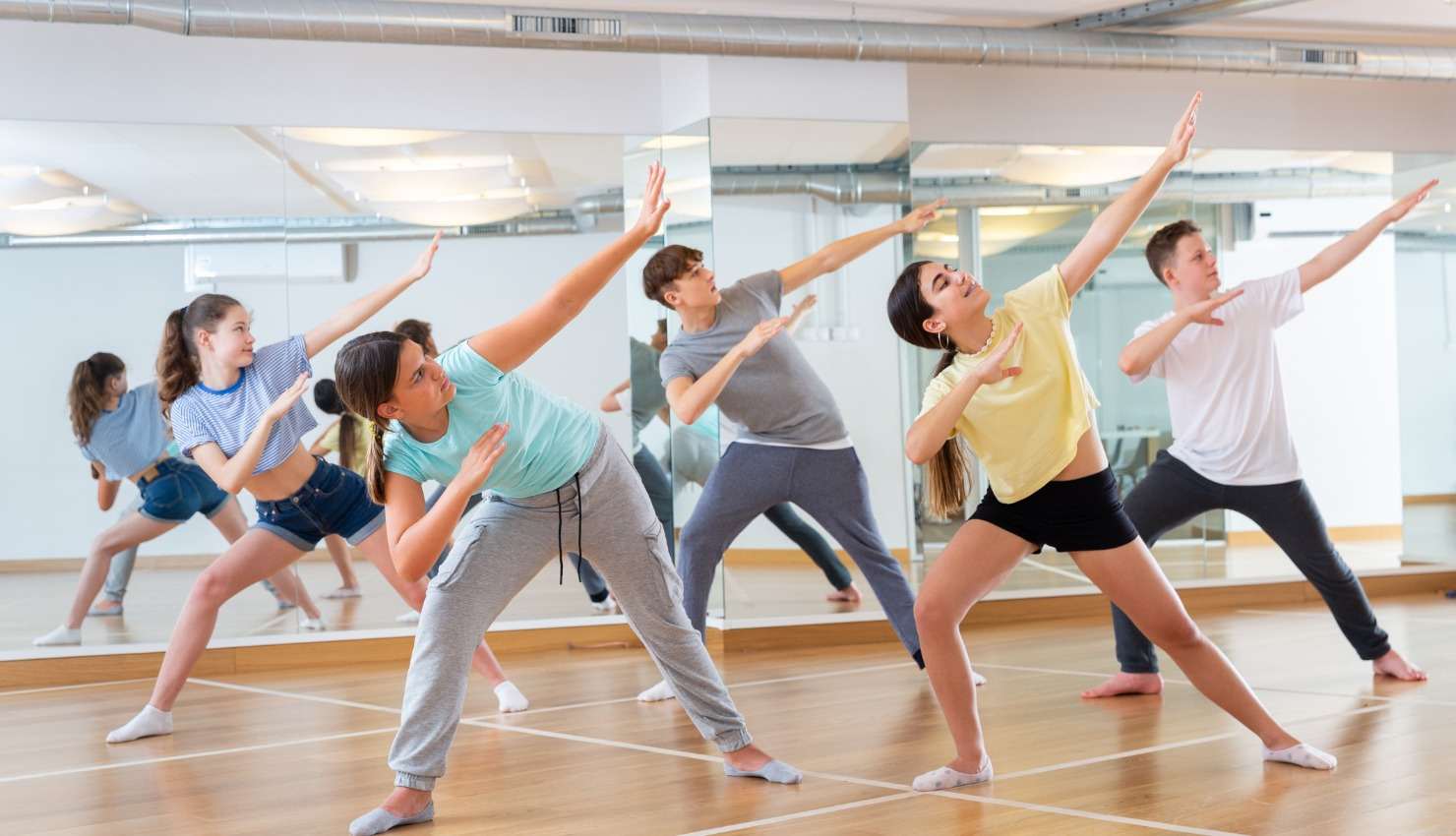
Dance is one of the most physically demanding art forms. Whether you’re performing ballet, contemporary, hip-hop, or jazz, dancers put their bodies through intense movement sequences that require strength, flexibility, endurance, and coordination. However, the repetitive motions, high-impact landings, and strenuous movements involved in dance can also increase the risk of injury. Thats where physiotherapy comes into play. Physiotherapy helps prevent injuries, optimize performance, and support the bodys long-term healthessential for dancers looking to perform at their best while staying injury-free.
The High-Risk Nature of Dance
Dance involves a wide range of movements that place considerable stress on muscles, joints, and ligaments. From jumps and spins to floor work and lifts, dancers repeatedly subject their bodies to high-intensity activities. Without proper care, these activities can lead to a range of injuries, from sprains and strains to more serious conditions such as stress fractures, tendonitis, and joint problems. Injuries in dance often occur due to overuse, poor technique, muscle imbalances, or inadequate recovery. Therefore, injury prevention should be a priority for every dancer.
Physiotherapy offers a holistic approach to injury prevention, helping dancers stay in optimal shape and avoid the physical limitations that could sideline them.
How Physiotherapy Helps Prevent Injuries
Assessment of Movement Patterns and Posture
A physiotherapists first task is to assess the dancers posture, alignment, and movement patterns. Poor posture or misalignment can create imbalances in the body, increasing the risk of injury. For example, incorrect posture while dancing can place excessive strain on the spine, hips, knees, or ankles. Similarly, compensating for one weak or tight muscle group by overloading another can lead to muscle strain or joint stress.
Through a thorough assessment, physiotherapists can identify and correct these issues, ensuring that dancers use their bodies in the most efficient and safe way possible. By improving movement patterns and body alignment, physiotherapy reduces the likelihood of repetitive strain injuries and ensures that the dancers body is working in harmony.
Building Strength and Flexibility
Dance requires strength in almost every part of the body, with particular emphasis on the core, legs, and upper body. Without adequate strength, a dancer may rely on their joints to perform certain movements, which can result in strain or injury. Physiotherapists design specific strength-building exercises tailored to the dancers needs, focusing on strengthening key muscle groups like the legs, hips, back, and arms. A strong body provides better control, stability, and endurance, all of which are necessary for executing complex dance routines.
Flexibility is another critical component of injury prevention. Tight muscles are more prone to strains, and limited range of motion can make movements feel stiff and unnatural. Physiotherapists help dancers improve their flexibility through targeted stretching and mobility exercises. Increased flexibility allows the joints and muscles to move through a wider range of motion, reducing the risk of muscle tears, ligament sprains, and joint injuries. Physiotherapy programs incorporate both dynamic stretches to increase movement and static stretches to maintain muscle length.
Correcting Technique and Body Mechanics
Improper technique is one of the leading causes of injuries in dance. Whether its landing improperly from a jump, incorrect alignment during turns, or using the wrong muscle groups to perform a movement, poor technique can place undue stress on the body, resulting in overuse injuries or acute trauma. Physiotherapists help dancers refine their technique by teaching them the proper body mechanics for each movement. By focusing on posture, alignment, and the efficient use of muscle groups, physiotherapists ensure that dancers are executing each movement with precision, which minimizes the risk of injury.
Additionally, physiotherapists help dancers learn how to maintain proper body mechanics throughout a performance or rehearsal, even when theyre fatigued. This is particularly important, as fatigue can lead to a breakdown in technique, increasing the chances of injury.
Optimizing Warm-Up and Cool-Down Routines
Warming up and cooling down are essential practices for preventing injury. A proper warm-up prepares the body for physical exertion, gradually increasing heart rate and blood flow to the muscles. It also helps improve flexibility and joint mobility, making the body more pliable and less prone to injury. On the other hand, cooling down helps reduce muscle tightness and soreness after activity, allowing the body to recover and return to its baseline state.
Physiotherapists guide dancers through effective warm-up and cool-down routines tailored to the demands of their specific dance style. A typical warm-up might include light aerobic exercises, dynamic stretches, and activation drills that target key muscle groups. The cool-down usually involves static stretches, foam rolling, and relaxation techniques that help the body recover and maintain flexibility.
Injury Recovery and Rehabilitation
Despite best efforts to prevent injuries, dancers may still experience sprains, strains, or other injuries. When an injury does occur, physiotherapy is essential for rehabilitation. Physiotherapists use a combination of therapeutic exercises, manual therapy, and modalities such as ultrasound or electrical stimulation to reduce pain, increase mobility, and strengthen injured areas. They also provide guidance on pacing recovery, ensuring that dancers dont return to full activity too soon, which can lead to re-injury.
Injury rehabilitation is a gradual process that involves rebuilding strength and flexibility while restoring the bodys natural movement patterns. Physiotherapists work closely with dancers throughout the recovery process to ensure a safe and efficient return to dance.
Education on Injury Prevention and Self-Care
A key component of physiotherapy is education. Physiotherapists teach dancers how to care for their bodies, prevent injuries, and recognize signs of overuse or strain. Dancers are educated on topics such as proper nutrition, hydration, rest, and the importance of sleep in recovery. They also learn how to identify early warning signs of injury, such as pain, stiffness, or inflammation, so they can take action before the problem becomes serious.
Self-care strategies such as foam rolling, stretching, and strengthening exercises can also be incorporated into a dancers daily routine, providing additional support in preventing injuries.
The Benefits of Injury Prevention Through Physiotherapy
Enhanced Performance
With improved technique, strength, flexibility, and joint health, dancers can perform at their peak level without the hindrance of injury. Physiotherapy enables dancers to move more efficiently, execute complex movements with ease, and reduce the risk of performance-limiting injuries.
Faster Recovery
In the event of an injury, physiotherapy speeds up recovery by addressing the root causes and helping the body heal more effectively. Dancers who receive physiotherapy treatment can often return to their routines more quickly and safely than those who attempt to self-manage their injuries.
Long-Term Health and Longevity
By preventing injuries and maintaining good body mechanics, physiotherapy helps dancers maintain their long-term health. This not only reduces the risk of short-term injuries but also helps prevent chronic conditions such as arthritis, tendonitis, or joint degeneration that can result from years of intense physical activity.
Conclusion
Physiotherapy is a crucial part of a dancer’s overall health and performance strategy. It helps prevent injuries, improves flexibility and strength, corrects technique, and supports recovery. By integrating physiotherapy into their training routine, dancers can ensure their bodies remain strong, flexible, and injury-free, enabling them to perform at their best for many years. If you’re a dancer, consider consulting a physiotherapist today to start enhancing your performance, preventing injuries, and supporting long-term physical health.