How Physiotherapy Can Help Overcome Chronic Pain in Dancers explores targeted strategies for recovery. Discover new paths to mobility, healing, and personalized care.

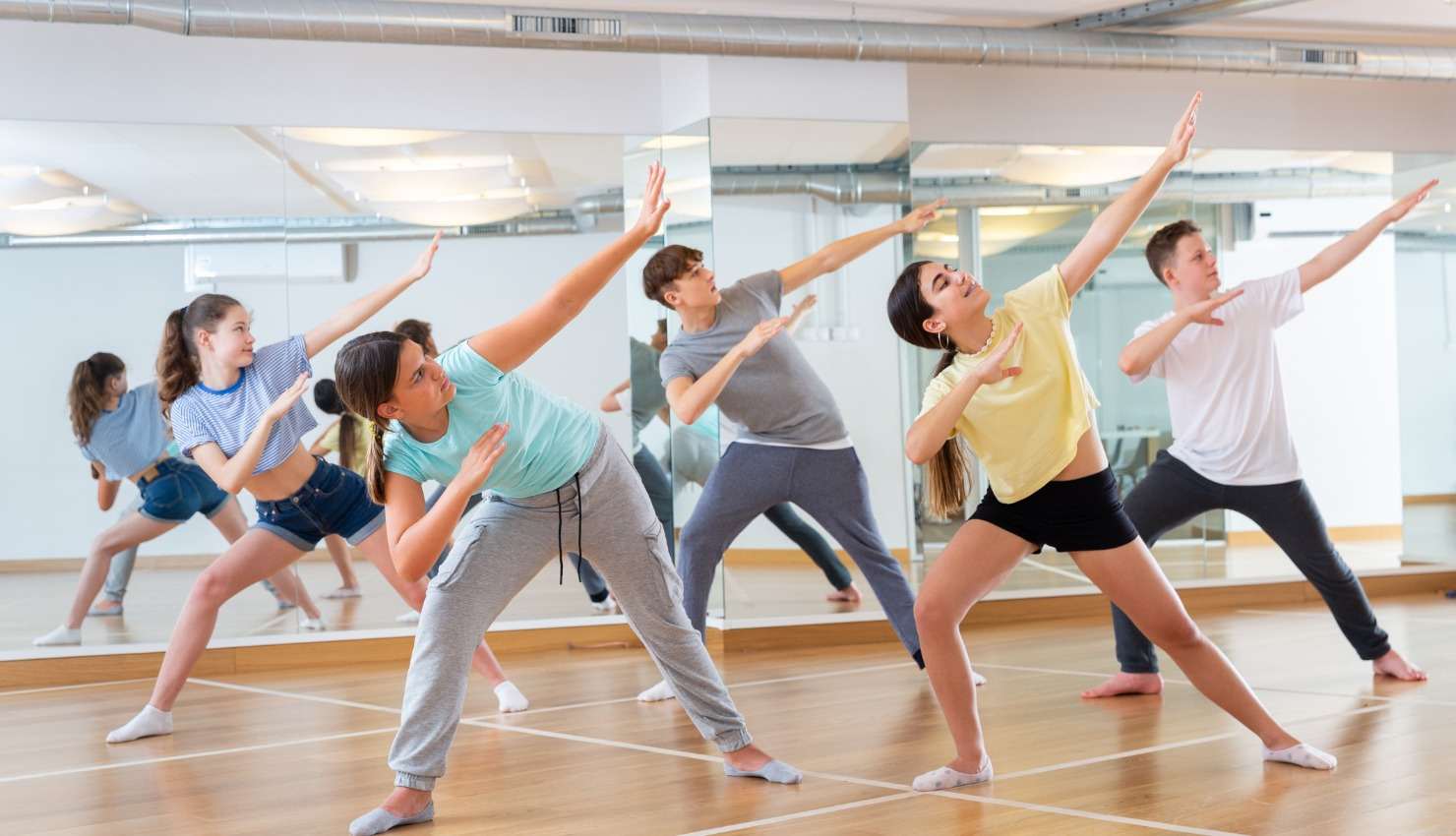
Dancing is an incredibly demanding activity that challenges the body in numerous ways. The constant physical exertion, repetitive movements, and high-impact actions can place stress on muscles, joints, and connective tissues. Over time, this can lead to chronic pain, which can significantly affect a dancers performance and overall well-being. Chronic pain in dancers can result from overuse injuries, poor posture, muscle imbalances, or past trauma. Fortunately, physiotherapy offers a comprehensive approach to alleviating chronic pain, helping dancers recover, manage pain, and continue performing at their best.
Understanding Chronic Pain in Dance
Chronic pain is defined as pain that persists for weeks, months, or even years. In the context of dance, chronic pain often occurs due to overuse or strain on the body. Dancers are particularly vulnerable to this type of pain because of the repetitive nature of their movements and the high demands placed on their bodies during training and performances. Common areas where dancers experience chronic pain include the knees, hips, back, ankles, and shoulders.
Chronic pain can severely affect a dancer’s ability to perform basic movements or participate in rehearsals and performances. It can also lead to a decline in overall mobility, reduced flexibility, and limited range of motion, all of which compromise performance quality. For dancers, chronic pain is not only a physical hindrance but also an emotional and mental burden, affecting confidence and motivation.
How Physiotherapy Helps Manage and Overcome Chronic Pain
Physiotherapy is one of the most effective ways to manage and overcome chronic pain in dancers. Physiotherapists are trained to assess, diagnose, and treat musculoskeletal conditions, using a combination of hands-on techniques, exercises, and therapeutic modalities to address the root causes of pain. Heres how physiotherapy can help dancers overcome chronic pain:
Accurate Assessment and Diagnosis
The first step in overcoming chronic pain is identifying its root cause. Physiotherapists conduct a thorough assessment of the dancers posture, movement patterns, and muscle imbalances to determine the underlying issues contributing to the pain. Whether the pain is caused by overuse, improper technique, or misalignment, a comprehensive diagnosis allows the physiotherapist to create a targeted treatment plan that addresses the dancer’s unique needs.
Manual Therapy Techniques
Manual therapy is a cornerstone of physiotherapy treatment, particularly for chronic pain. Physiotherapists use hands-on techniques such as joint mobilization, soft tissue massage, and myofascial release to alleviate pain and improve mobility. These techniques help reduce muscle tension, improve blood flow, and promote healing in the affected areas. For example, massage therapy can help release tight muscles and fascia, improving flexibility and reducing discomfort in areas like the lower back, hips, or shoulders.
Joint mobilization, on the other hand, can help improve the range of motion in stiff or painful joints. By using gentle, controlled movements, physiotherapists can reduce joint stiffness and improve overall joint mobility, which is especially helpful for dancers experiencing pain due to limited movement.
Targeted Strengthening Exercises
Chronic pain is often a result of muscle imbalances, where certain muscles are overused or underused, leading to strain on other areas of the body. Physiotherapists create personalized strengthening programs to address these imbalances and restore proper muscle function. Strengthening exercises focus on improving the muscles that support the joints and help with body alignment.
For example, dancers with chronic knee pain may benefit from strengthening the quadriceps and hamstrings, as these muscles support the knee joint and help prevent injury. Similarly, strengthening the core muscles can improve posture and reduce back pain, which is a common issue for many dancers. By focusing on building strength in specific muscle groups, physiotherapists help dancers achieve better stability, which reduces pain and prevents future injury.
Improving Flexibility and Mobility
Chronic pain is often linked to tight muscles or restricted joint mobility, both of which limit a dancers ability to move freely. Physiotherapists use targeted stretching and mobility exercises to help improve flexibility and restore the range of motion in tight muscles and joints. Increased flexibility helps relieve tension and reduces discomfort, especially in areas like the hips, hamstrings, and calves, which are heavily engaged in many dance styles.
Physiotherapists also teach dancers proper stretching techniques to prevent muscle tightness and improve overall mobility. Regular stretching can prevent the recurrence of chronic pain and improve a dancers ability to perform at their full potential.
Pain Management Techniques
In addition to manual therapy and exercises, physiotherapists use various pain management modalities to alleviate chronic pain. Techniques such as ultrasound therapy, electrical stimulation, and heat or cold therapy can help reduce inflammation, increase blood circulation, and relieve muscle spasms.
Ultrasound Therapy: This involves the use of high-frequency sound waves to penetrate deep into the tissues, promoting healing and reducing pain in the affected area.
Electrical Stimulation: This technique uses low-frequency electrical currents to stimulate muscles and nerves, helping to reduce pain and improve muscle function.
Heat and Cold Therapy: Physiotherapists apply heat or cold packs to the affected areas to reduce inflammation and provide pain relief. Cold therapy helps with acute inflammation, while heat therapy promotes muscle relaxation and blood flow.
Postural Correction and Technique Adjustment
Chronic pain in dancers is often exacerbated by poor posture or incorrect technique. Physiotherapists assess the dancers posture and movement patterns to identify areas of misalignment that may be contributing to the pain. By correcting poor posture and providing guidance on proper technique, physiotherapists help dancers move more efficiently and reduce strain on vulnerable areas of the body.
For example, physiotherapists can help dancers adjust their body mechanics during jumps or landings, ensuring that the body absorbs impact correctly to prevent knee or ankle pain. They may also teach dancers how to engage their core properly during certain movements to protect the lower back from unnecessary strain.
Education and Self-Care
Physiotherapy goes beyond just treatmentit also includes education on self-care strategies. Physiotherapists teach dancers how to take care of their bodies to prevent pain from recurring. This includes guidance on proper warm-up and cool-down routines, stretching techniques, and exercises that can be done at home to maintain strength and flexibility. Additionally, physiotherapists educate dancers on how to recognize early signs of injury and pain, allowing them to address issues before they become chronic.
The Benefits of Physiotherapy for Chronic Pain Relief in Dancers
Pain Reduction
Through a combination of manual therapy, strengthening exercises, and pain management techniques, physiotherapy effectively reduces chronic pain. Dancers can experience immediate relief from discomfort and long-term improvements in their ability to move without pain.
Improved Performance
When chronic pain is managed or eliminated, dancers can perform at their best. Physiotherapy helps restore flexibility, strength, and mobility, enabling dancers to move more freely and with greater precision.
Prevention of Future Pain
Physiotherapy not only addresses current pain but also helps prevent it from returning. By correcting posture, improving technique, and building strength, physiotherapists help dancers avoid the causes of chronic pain and reduce the risk of future injuries.
Long-Term Health
By managing chronic pain and addressing underlying issues, physiotherapy supports the long-term health of a dancers body. Regular physiotherapy treatments promote overall joint and muscle health, allowing dancers to continue performing and training for many years to come.
Conclusion
Chronic pain is a common issue for dancers, but it doesnt have to be a permanent obstacle. Physiotherapy offers a comprehensive and effective approach to managing and overcoming chronic pain. By using manual therapy, strengthening exercises, mobility drills, and pain management techniques, physiotherapists help dancers regain their comfort, improve performance, and prevent future injuries. If youre a dancer struggling with chronic pain, physiotherapy can provide the relief and support you need to get back to dancing without discomfort. Don’t let pain hold you backtake action today and start your journey to recovery.