Rehabilitating Injuries from Dance explores targeted strategies for recovery. Discover new paths to mobility, healing, and personalized care.

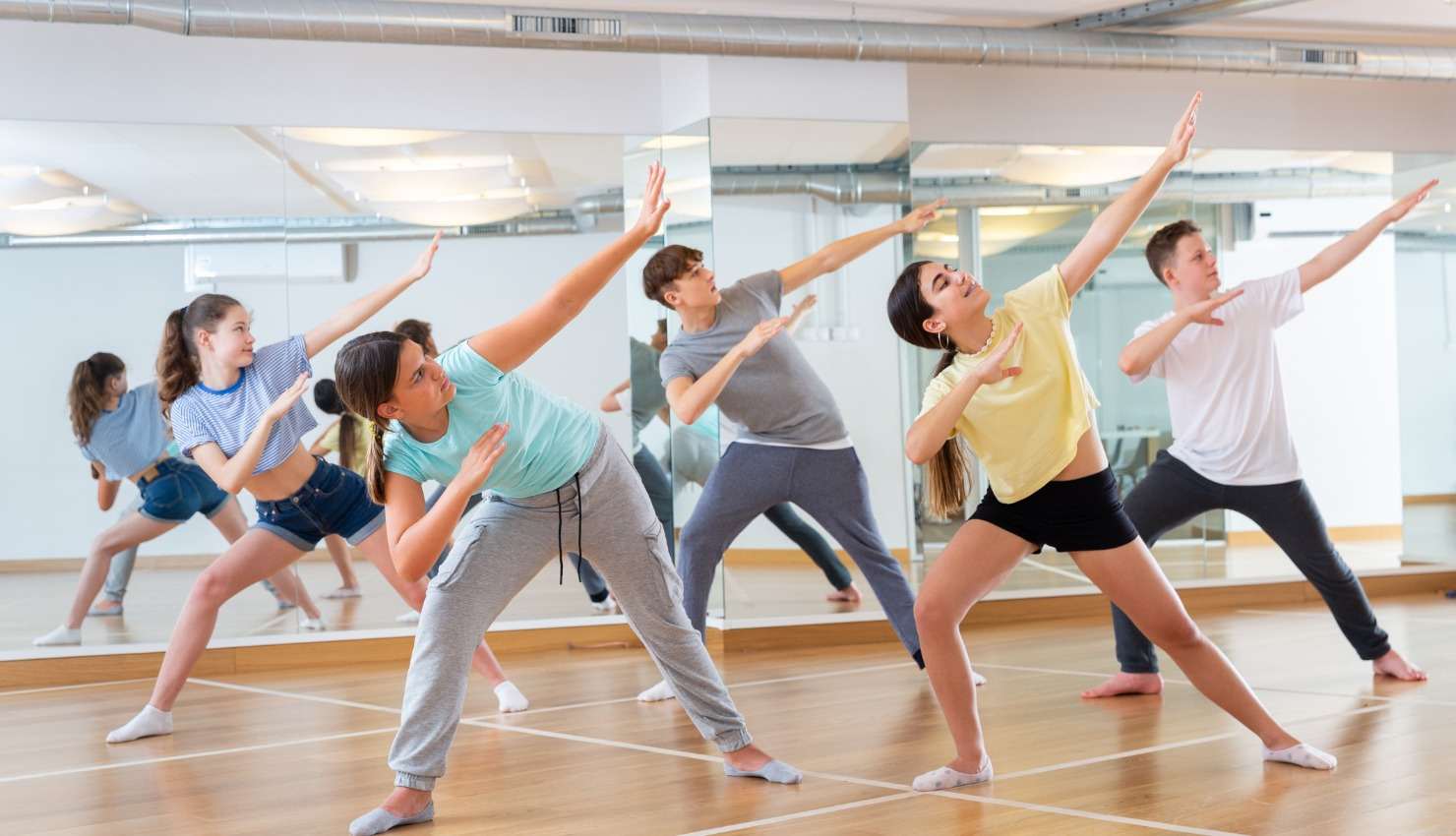
Dance is an expressive and physically demanding art form that involves intense movement, often putting dancers at risk for injuries. Whether youre practicing a pirouette, landing a jump, or executing complex choreography, every movement can put pressure on the body. Unfortunately, even with proper technique and care, injuries can occur. From sprains and strains to more severe injuries like fractures or torn ligaments, recovery can be a lengthy and challenging process. However, physiotherapy plays a critical role in rehabilitating dance-related injuries, ensuring dancers recover as quickly, safely, and effectively as possible.
The Nature of Dance Injuries
Dancers, like athletes, push their bodies to their limits in every rehearsal and performance. Overuse injuries are common, as dancers often repeat the same movements day after day. Joint pain, muscle strains, and ligament injuries are frequent in high-impact dance styles like ballet, hip-hop, or contemporary. Even less intense styles can cause injuries from overexertion or improper technique.
Some of the most common dance injuries include:
Sprains (e.g., ankle sprains)
Strains (e.g., hamstring or calf strains)
Stress fractures (common in the lower extremities)
Tendinitis (often affecting the knees, elbows, or shoulders)
Ligament tears (such as ACL tears)
Shin splints and other overuse injuries
Rehabilitation for these injuries is crucial to avoid further complications, long-term pain, or permanent damage. Physiotherapy is an essential part of this process, helping dancers heal quickly while minimizing the risk of reinjury.
How Physiotherapy Accelerates Injury Recovery for Dancers
Physiotherapy is a science-based approach that focuses on restoring function and mobility to injured muscles, joints, and tissues. When treating dance-related injuries, physiotherapists design personalized rehabilitation programs that not only speed up recovery but also ensure that the dancer returns to full function without compromising their bodys integrity. Heres how physiotherapy accelerates recovery for dancers:
Assessment and Diagnosis of the Injury
The first step in rehabilitating a dance injury is an accurate diagnosis. Physiotherapists are trained to assess the extent of the injury by examining the affected area, evaluating the range of motion, and understanding how the injury occurred. This helps physiotherapists pinpoint the exact issuewhether its a muscle tear, ligament strain, or joint instability. A thorough assessment also provides insight into any underlying issues (like poor posture or muscle imbalances) that may have contributed to the injury.
A precise diagnosis allows physiotherapists to develop a targeted treatment plan that addresses both the injury itself and any contributing factors. The goal is to ensure that the dancer recovers fully while also reducing the risk of reinjury.
Pain Management
When a dancer sustains an injury, pain management is a top priority. Physiotherapists use a variety of techniques to help control pain during the recovery process. Common methods include:
Ice and heat therapy to reduce inflammation and improve circulation
Ultrasound therapy to promote healing at a cellular level by increasing blood flow to the affected area
Electrical stimulation (TENS or EMS) to stimulate nerves and reduce pain
Massage therapy to relieve muscle tension and promote relaxation
These pain management techniques help control discomfort, allowing the dancer to focus on the rehabilitation process without the distraction of pain.
Restoring Range of Motion
One of the most significant concerns when recovering from an injury is the loss of range of motion (ROM). For dancers, flexibility and full movement capability are vital for performing at their best. A restricted range of motion can lead to compensatory movement patterns, further strain on muscles or joints, and increased risk of another injury.
Physiotherapists incorporate specific stretching and mobility exercises into the rehabilitation program to restore the range of motion. These exercises can help increase joint mobility, lengthen tight muscles, and restore normal movement patterns. For example, ankle mobility exercises may be used for a dancer recovering from a sprained ankle, or shoulder mobility exercises can be implemented for a dancer with rotator cuff issues.
Strengthening and Stabilization Exercises
After an injury, the affected muscle or joint may become weak or unstable, which can slow down the recovery process and increase the likelihood of reinjury. Physiotherapists design strengthening exercises to rebuild muscle strength, restore stability, and support the injured area. For example:
Core strengthening exercises help stabilize the spine, which is crucial for maintaining proper posture and preventing lower back pain.
Lower-body strengthening can help stabilize the hips, knees, and ankles after an injury like a sprained ankle or knee ligament strain.
Upper-body exercises can help recover from shoulder injuries or arm strains.
Targeted strength training not only aids in injury recovery but also ensures that dancers regain the strength necessary for performing demanding movements.
Correcting Posture and Alignment
A major factor in rehabilitation is ensuring that dancers return to proper posture and alignment after an injury. Poor posture or faulty technique can place unnecessary strain on the body, leading to reinjury. Physiotherapists work with dancers to address any alignment issues that may have developed as a result of the injury or compensatory movements.
For example, if a dancer has suffered an ankle injury, their gait may change, leading to misalignment in the hips or knees. A physiotherapist will work to correct these imbalances, restoring the dancers natural movement patterns and reducing the risk of future injuries.
Progressive Load Management
One of the most critical aspects of injury recovery is avoiding the temptation to return to full activity too soon. Dancers often feel the pressure to get back to performing quickly, but doing so before the body is fully healed can lead to reinjury or prolonged recovery time.
Physiotherapists create progressive loading programs that gradually increase the intensity and duration of physical activity, allowing dancers to return to their routines safely. This approach ensures that the body is fully prepared for the demands of dance before resuming regular training or performances. Physiotherapists also monitor progress to ensure that the dancer isnt overexerting themselves during the rehabilitation process.
Preventing Future Injuries
An essential part of rehabilitation is preventing future injuries. Physiotherapists work with dancers to identify any underlying factorssuch as poor biomechanics, muscle imbalances, or insufficient flexibilitythat may have contributed to the injury in the first place. By addressing these issues through strength training, stretching, and movement reeducation, physiotherapists help dancers prevent future injuries.
Additionally, physiotherapists teach dancers injury prevention strategies such as proper warm-up techniques, cool-down routines, and self-care practices. By educating dancers on how to care for their bodies and how to prevent injuries, physiotherapists help ensure long-term health and performance.
The Benefits of Physiotherapy for Dance Injury Rehabilitation
Faster Recovery Times
Physiotherapy accelerates recovery by focusing on restoring movement, strength, and flexibility while managing pain. Dancers are able to return to their routines and performances more quickly and with greater confidence.
Reduced Risk of Re-injury
By addressing the root cause of the injury and correcting any movement imbalances, physiotherapy reduces the chances of re-injury. Physiotherapists guide dancers through a structured rehabilitation process that builds strength, restores mobility, and ensures the body is prepared for full activity.
Improved Performance
When dancers recover fully from an injury, they are able to perform at their peak. Physiotherapy helps restore the physical capabilities needed for dance, from strength and flexibility to coordination and balance.
Long-Term Joint and Muscle Health
Physiotherapy not only helps dancers recover from injury but also promotes long-term health by addressing muscle imbalances and improving posture. This enhances overall mobility and reduces the risk of developing chronic conditions.
Conclusion
Injury rehabilitation is an essential part of a dancers journey. Whether recovering from a sprain, strain, or more serious injury, physiotherapy plays a crucial role in accelerating recovery and getting dancers back to performing at their best. By focusing on pain management, strength, flexibility, and proper technique, physiotherapy ensures that dancers recover safely and return to their routines stronger than ever. If you’re a dancer dealing with an injury, physiotherapy is a valuable tool to help you heal, avoid future injuries, and keep dancing for years to come.