The Role of Physiotherapy in Strengthening Your Back for Dance explores targeted strategies for recovery. Discover new paths to mobility, healing, and personalized care.

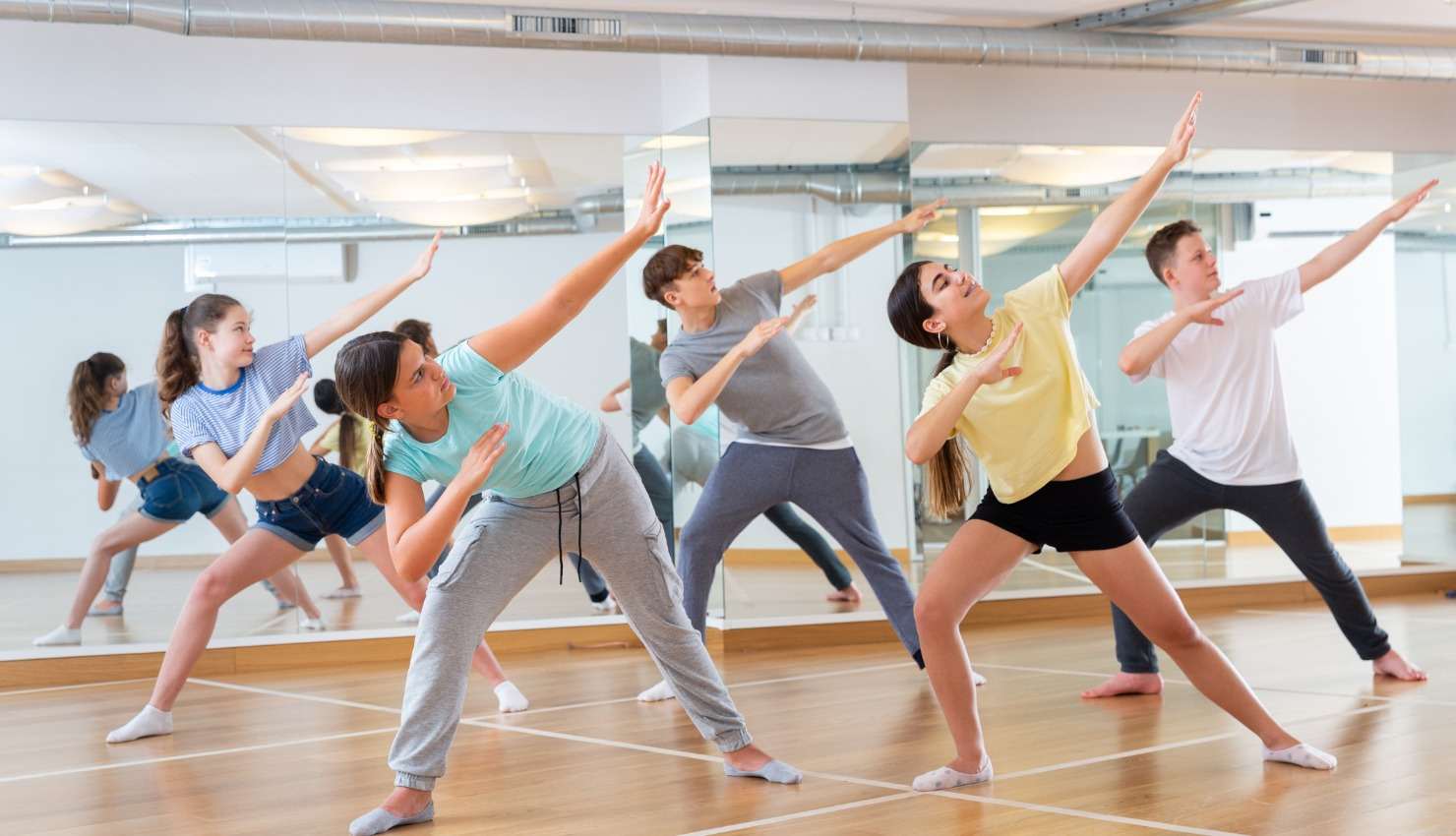
A strong and flexible back is essential for dancers. From achieving flawless lines and extensions to supporting the body during jumps and turns, the back plays a critical role in almost every movement. However, the demands of dance, particularly in disciplines that require significant flexibility or strength, can often lead to back pain or injuries. Physiotherapy plays a vital role in strengthening and supporting the back to help dancers prevent injury, improve performance, and maintain longevity in their careers.
Understanding the Importance of a Strong Back for Dancers
The back is the bodys central support structure, and it works in harmony with the core, hips, and legs to facilitate movement. For dancers, a strong back is essential for posture, balance, and fluidity in their movements. The spine, muscles, and ligaments must work together to maintain proper alignment during complex dance sequences.
Dancers often place their backs under intense strain with high-impact moves, extreme backbends, or repetitive twisting and turning. This can lead to musculoskeletal imbalances, misalignments, or injuries, including muscle strains, herniated discs, or sciatica. Strengthening the back through physiotherapy can prevent these issues and keep dancers performing at their best.
How Physiotherapy Strengthens Your Back for Dance
Physiotherapy is a proactive way to build a strong, healthy back that supports the demands of dance. Through customized exercises, manual therapy, and posture correction, physiotherapists help dancers strengthen their backs and improve overall spinal health. Here are some of the ways physiotherapy aids in back strength and injury prevention for dancers:
Core and Back Strengthening Exercises
The muscles of the core (abdominals, obliques, and lower back) are deeply connected to back strength. Physiotherapists provide exercises to strengthen both the core and the back muscles, improving stability and support. Exercises such as planks, bridges, and back extensions target the muscles that support the spine and help prevent lower back pain.
A well-developed core helps dancers maintain balance and control, preventing overcompensation by the lower back during dance movements. This balance between the core and back muscles ensures that dancers can move freely without straining the spine.
Improving Posture and Alignment
Poor posture or misalignment is one of the most common causes of back pain and injury in dancers. Misalignment places unnecessary pressure on the spine, leading to muscle fatigue, strain, and discomfort. Physiotherapists work with dancers to correct posture issues, ensuring the spine maintains proper alignment during every movement.
Good posture allows for even distribution of weight across the body, reducing the strain placed on the back muscles. Physiotherapists often use exercises that focus on proper alignment during standing, sitting, and dynamic movement to improve posture and protect the back from injury.
Stretching and Mobility for Spinal Flexibility
Flexibility and mobility are crucial for dancers to execute graceful movements and avoid stiffness in the back. Physiotherapists incorporate stretching and mobility exercises to increase the range of motion in the spine. These exercises focus on improving flexibility in the muscles surrounding the spine and enhancing joint mobility in the hips, thoracic spine, and lower back.
Improved spinal flexibility allows dancers to move more fluidly, especially in styles such as contemporary dance, ballet, or acro, where deep backbends and extended movements are often required. Physiotherapists help dancers stretch safely, ensuring they avoid overstretching and causing injury.
Manual Therapy and Soft Tissue Techniques
Physiotherapists often use manual therapy techniques, such as massage and myofascial release, to relieve tension in the muscles surrounding the spine. These techniques help reduce tightness and improve blood flow to the back, promoting healing and reducing muscle stiffness. Manual therapy can also improve joint mobility and alleviate pain caused by muscle imbalances or poor posture.
Dancers who perform repetitive movements are more prone to muscle tension, and regular physiotherapy treatments can help alleviate these issues, keeping the back healthy and flexible.
Injury Rehabilitation
If a dancer experiences a back injury, physiotherapy is crucial for rehabilitation. Whether its a strained muscle, a herniated disc, or general soreness, physiotherapists design rehabilitation programs tailored to the dancers specific injury and needs. The goal of these programs is to restore strength, flexibility, and function to the back while minimizing the risk of re-injury.
Through a combination of strengthening exercises, stretching, and pain management techniques, physiotherapists guide dancers through a safe recovery process. Rehabilitation programs are also designed to prevent future injuries by improving overall back health and addressing any underlying issues.
Building Balanced Strength
Dancers rely on both their upper and lower back muscles to execute movements with grace and control. Imbalances between these muscle groups can lead to back pain or injury. Physiotherapists create balanced strengthening programs that target the upper back, lower back, and supporting muscles. For example, exercises such as reverse flyes or lat pulldowns can help strengthen the upper back, while lower back exercises, like supermans or back extensions, target the lower back.
A balanced approach to strength ensures that all parts of the back and core work together to support the body during dance, improving stability and reducing the risk of injury.
Educating Dancers on Safe Practices
Physiotherapists educate dancers on proper techniques and movements that protect the back. This includes advice on lifting techniques, bending mechanics, and proper warm-up and cool-down routines to prevent muscle strain. They also provide education on how to listen to the body, recognize early signs of back discomfort, and rest when needed to avoid overuse injuries.
Common Back Issues in Dancers and How Physiotherapy Helps
Dancers are susceptible to a range of back issues, many of which are preventable or manageable with physiotherapy:
Lower Back Pain: Often caused by poor posture, weak core muscles, or improper movement techniques. Physiotherapy can help strengthen the core and improve posture to reduce the strain on the lower back.
Sciatica: A sharp pain that radiates from the lower back through the hips and down the legs. Physiotherapists use stretching and strengthening exercises to relieve tension in the muscles surrounding the sciatic nerve.
Muscle Strains and Sprains: Overexertion of back muscles can result in strains or sprains. Physiotherapists provide rehabilitation and stretching to help relieve pain and restore movement.
Scoliosis or Postural Imbalances: Physiotherapy can help manage scoliosis and other postural issues by using exercises that target alignment and spinal mobility.
Conclusion
A strong, flexible back is essential for dancers, and physiotherapy offers a comprehensive approach to strengthening and maintaining spinal health. Through personalized exercise programs, manual therapy, posture correction, and injury prevention techniques, physiotherapists help dancers avoid back injuries and improve their overall performance. Whether youre dealing with an existing back issue or working to prevent future pain, physiotherapy plays a vital role in supporting a dancers back and ensuring long-term health and success.