Overcoming Dance-Related Injuries explores targeted strategies for recovery. Discover new paths to mobility, healing, and personalized care.

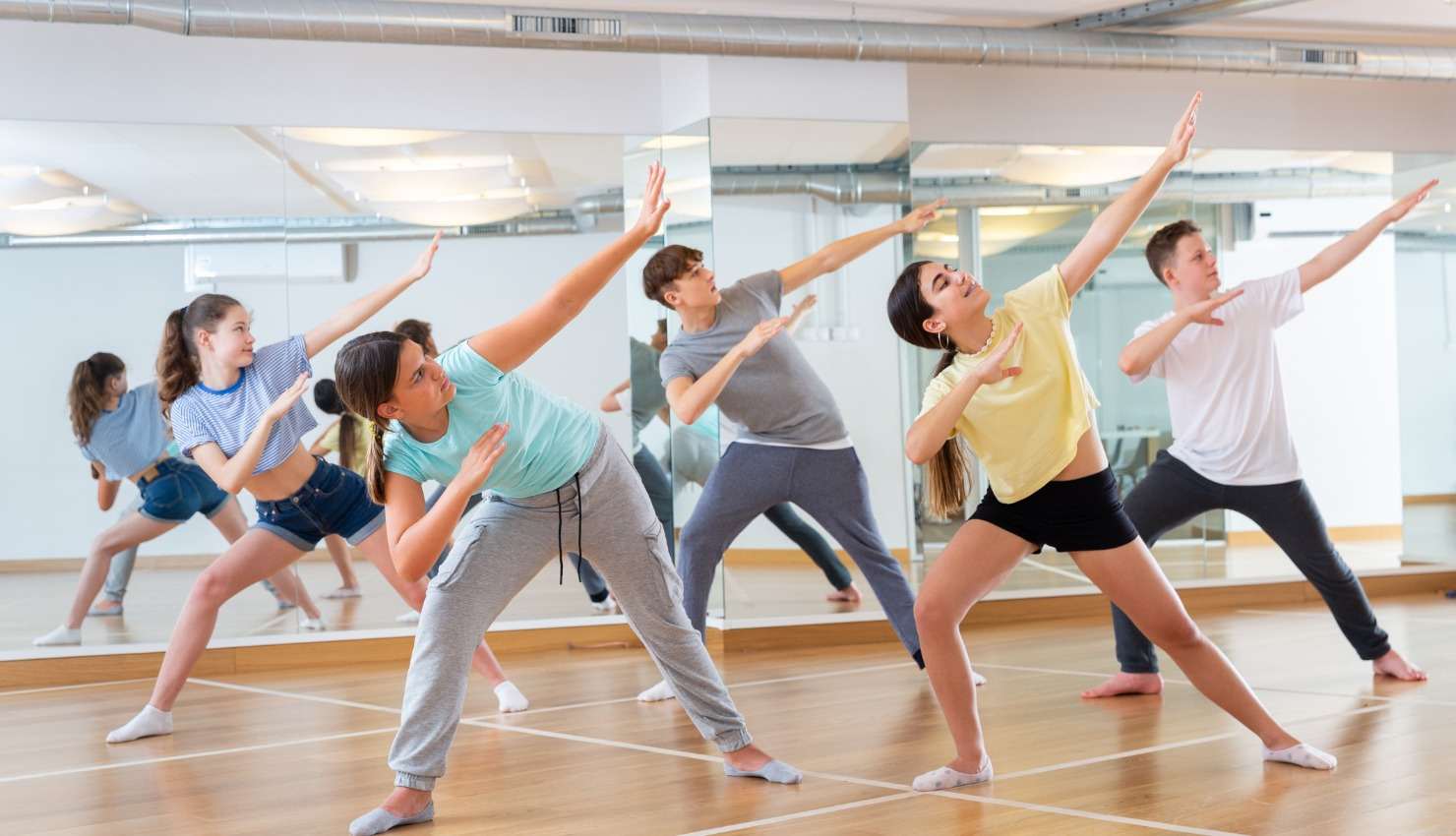
Dancing is an art form that demands flexibility, strength, and precision. Whether you are a professional ballerina, contemporary dancer, or simply a hobbyist, your body endures a considerable amount of physical strain. Unfortunately, this intensity can often lead to dance-related injuries, from sprains and strains to overuse injuries like tendonitis or stress fractures.
In these instances, physiotherapy is not just a treatment; its an essential part of recovery and injury prevention. Understanding the role physiotherapy plays in treating dance-related injuries can help you return to the dance floor faster and more effectively.
The Role of Physiotherapy in Injury Recovery
Dance injuries are often caused by overuse, improper technique, or inadequate warm-up and stretching routines. Physiotherapy helps dancers recover by addressing both the symptoms and the root causes of these injuries. Physiotherapists specialize in helping patients manage pain, reduce inflammation, and rebuild strength and mobility. They use various methods such as manual therapy, stretching exercises, and strength training to promote healing.
For dancers, physiotherapy does not just help in recovery from existing injuries; it also plays a critical role in injury prevention. A physiotherapist can assess a dancer’s posture, alignment, and technique to identify any areas of weakness or imbalance that could lead to injury. Through corrective exercises and education, physiotherapy helps dancers maintain their bodies in peak physical condition, reducing the likelihood of future injuries.
How Physiotherapy Can Help Improve Your Dance Technique
In addition to healing injuries, physiotherapy can improve dance technique. A skilled physiotherapist will work closely with a dancer to assess their movement patterns and identify areas where they may be inefficient or prone to injury.
For example, many dancers struggle with issues like poor posture, limited range of motion, or muscle imbalances that affect their performance. Physiotherapy addresses these problems through tailored exercises that improve strength, flexibility, and coordination.
By improving mobility, physiotherapists can help dancers achieve greater extension in their movements and maintain a more stable center of gravity, which is essential for controlled jumps, spins, and turns. Additionally, physiotherapy helps dancers develop better body awareness, leading to more fluid, precise, and powerful movements.
The Benefits of Physiotherapy for Ballet and Contemporary Dancers
Ballet and contemporary dance are two of the most demanding forms of dance, placing immense strain on the body. Each style requires specific flexibility, strength, and endurance, making them particularly prone to injuries like muscle strains, ligament sprains, and joint problems.
Ballet Dancers: Ballet dancers face repetitive movements that place significant pressure on their lower limbs, feet, and spine. Physiotherapy helps by providing rehabilitation for common ballet injuries such as Achilles tendonitis, hip flexor strains, and lower back pain. A physiotherapist can create a personalized exercise program to improve joint mobility and reduce the risk of further injury.
Contemporary Dancers: Contemporary dancers often perform complex, dynamic movements that require flexibility and strength across the entire body. Physiotherapy is crucial in addressing the unique demands of contemporary dance. It helps dancers recover from high-impact movements, improve their range of motion, and prevent injuries related to sudden twists, falls, or jumps.
For both ballet and contemporary dancers, physiotherapy not only aids in rehabilitation but also helps optimize performance. With the right approach, physiotherapy can enable dancers to perform with greater ease, grace, and strength, improving their overall dance technique.
How Physiotherapy Helps You Recover After an Intense Dance Rehearsal
Intense dance rehearsals can leave your body fatigued and vulnerable to injury. Physiotherapy plays a key role in post-rehearsal recovery, helping to restore balance and prevent muscle soreness. After a long day of dancing, physiotherapists may use techniques like manual therapy or myofascial release to relieve tight muscles and improve blood circulation.
Physiotherapists also guide dancers in performing stretching exercises that target the muscles used during the rehearsal. These stretches help improve flexibility, prevent stiffness, and reduce the risk of future injuries. Furthermore, physiotherapists educate dancers about the importance of proper recovery techniques, such as rest, hydration, and nutrition, ensuring that their bodies heal effectively and are ready for the next rehearsal.
The Best Physiotherapy Exercises for Professional Performers
Professional dancers often need exercises that enhance their strength, flexibility, and overall endurance. Here are some of the best physiotherapy exercises recommended for professional performers:
Core Strengthening Exercises: A strong core is crucial for maintaining balance and stability during dance. Exercises like planks, bridges, and leg raises help strengthen the abdominal and lower back muscles, providing better support for the spine.
Hip Flexor Stretches: Many dance movements require hip flexibility, especially in ballet. Hip flexor stretches can improve flexibility in the hip region and reduce the risk of muscle strains and discomfort in the hips and lower back.
Ankle and Foot Mobility Exercises: Since many dance movements place stress on the feet and ankles, exercises like ankle circles, calf raises, and toe stretches can help improve mobility and prevent injuries like sprains or stress fractures.
Glute Activation: Strong glutes are essential for maintaining proper posture and stability in dance. Glute bridges, squats, and lunges can help activate the glute muscles, improving overall lower body strength.
Balance and Proprioception Training: Many dance movements require excellent balance and body awareness. Exercises such as standing on one leg, using a balance board, or performing leg lifts help improve proprioception and overall stability.
Stretching for Flexibility: Stretching exercises targeting the hamstrings, quads, calves, and back muscles are crucial for maintaining flexibility, which is essential for executing dance movements like high kicks, splits, and deep lunges.
Conclusion
Whether you’re recovering from an injury or striving to improve your dance technique, physiotherapy plays an essential role in a dancers journey. By addressing both the physical and technical aspects of dance, physiotherapy helps reduce the risk of injuries, improve performance, and ensure that dancers can continue doing what they love for years to come.
If you’re a dancer looking to prevent injuries or recover from a recent setback, consulting with a physiotherapist is a wise choice. They can create a personalized treatment plan designed to restore balance, improve strength, and keep you dancing at your best.