Physiotherapy Solutions for Managing Pain in Dancers explores targeted strategies for recovery. Discover new paths to mobility, healing, and personalized care.

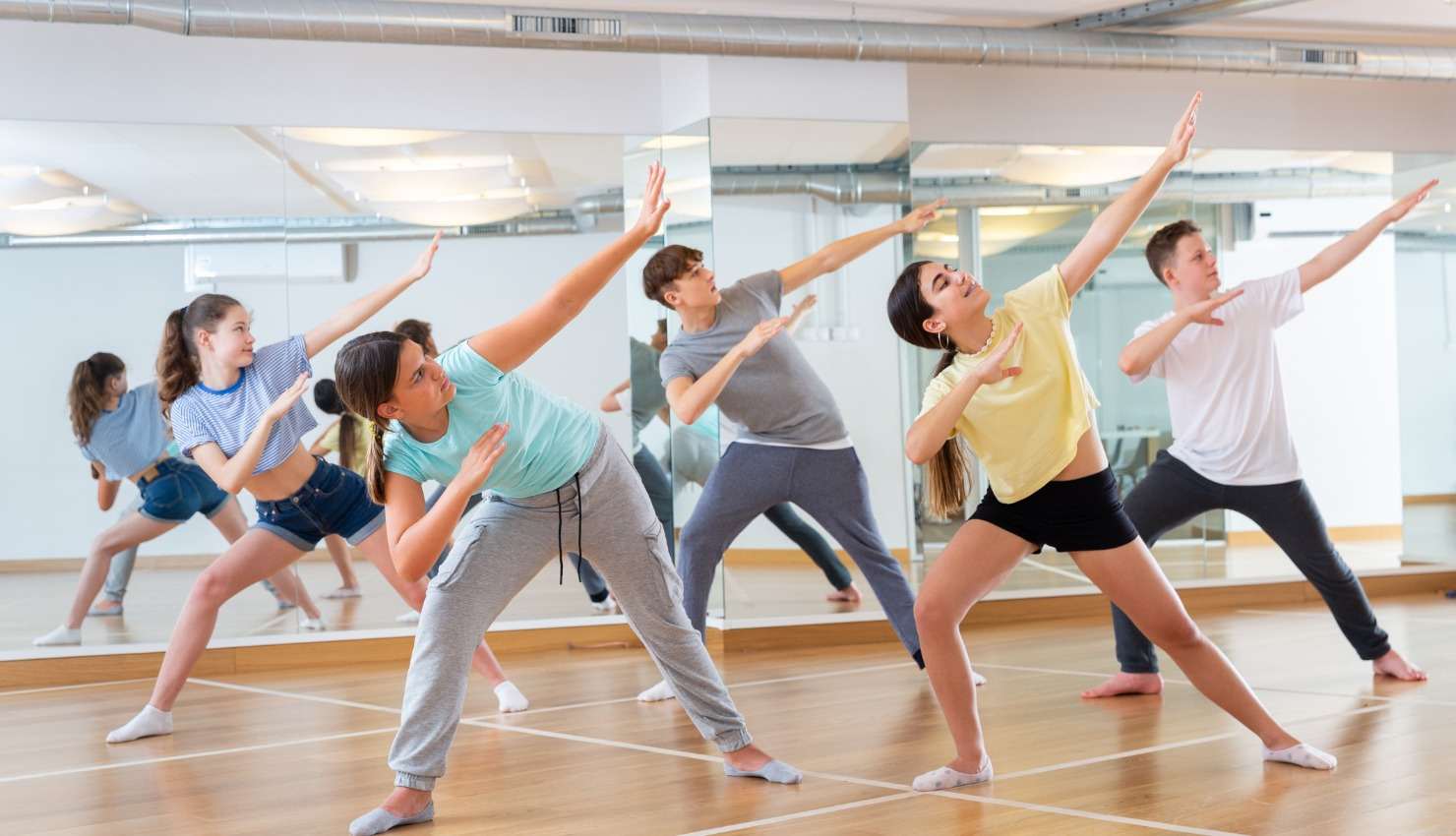
Dancing is an art that requires precision, grace, and often, physical endurance. For professional and amateur dancers alike, pain can become a common companion. Whether it’s from rigorous rehearsal schedules, demanding performances, or improper techniques, the physical strain on a dancers body can lead to discomfort or even long-term injuries. Fortunately, physiotherapy offers effective solutions for managing pain and ensuring that dancers can continue performing at their best while prioritizing long-term health.
In this blog, we will explore the physiotherapy techniques that can help dancers manage pain, prevent injuries, and maintain their performance capabilities.
Why Dancers Should Consider Physiotherapy for Pain Management
Dancers push their bodies to the limit. Every leap, turn, or intricate footwork places a great deal of pressure on muscles, joints, and bones. While the thrill of performing and perfecting moves is part of the passion, it can also lead to overuse injuries or muscle fatigue. Common issues such as tendinitis, muscle strains, joint pain, and ligament sprains are frequent among dancers.
Without proper intervention, these injuries can worsen, leading to chronic pain and even long-term damage. Physiotherapy is essential in managing such pain. It allows dancers to recover quickly, prevent further injuries, and get back to their routines faster.
The Role of Physiotherapy in Pain Management
Physiotherapists are specialized in treating musculoskeletal injuries, and they can provide dancers with customized treatment plans to manage and alleviate pain. These plans are focused not only on recovery but also on preventing recurrence.
Pain Relief Techniques:
Physiotherapists use various methods, such as manual therapy, massage, and heat or cold treatments, to reduce pain in the affected areas. Manual therapy, for instance, involves hands-on techniques to mobilize joints and tissues, which helps restore proper function and decrease discomfort.
Stretching and Strengthening Exercises:
Stretching exercises improve flexibility and range of motion, both crucial for dancers to maintain optimal performance and avoid injury. Strengthening exercises, on the other hand, target muscles to enhance support for the joints, preventing strain or overuse. A balanced combination of stretching and strengthening ensures a dancers body remains flexible, strong, and pain-free.
Posture Correction:
Dancers are often prone to poor posture, especially during long hours of practice or performances. Physiotherapists can help correct postural imbalances by working on strengthening the core, hips, and back muscles. Proper posture minimizes the risk of injury, helps improve performance, and contributes to pain reduction.
Biomechanical Assessments:
Physiotherapists conduct detailed biomechanical assessments to evaluate a dancers movement patterns. By identifying any faulty mechanics that might be contributing to pain, physiotherapists can recommend specific interventions such as custom orthotics, modifications in technique, or adjustments in body alignment.
Recovery and Rehabilitation:
Physiotherapy also plays a crucial role in the rehabilitation process after an injury. Whether a dancer has suffered from a sprain, strain, or more serious injury like a stress fracture, physiotherapists guide dancers through a progressive recovery plan. This may include exercises to restore strength and mobility and education on avoiding reinjury once the dancer returns to their activities.
Managing Common Dance Injuries with Physiotherapy
As a dancer, you’re likely familiar with some of the most common injuries that can occur during practice or performance. These injuries can range from minor strains to more severe tears and fractures. Below are a few examples of dance-related injuries and how physiotherapy can aid in their treatment and prevention:
Ankle Sprains: Ankle sprains are common in dancers due to quick pivots, jumps, and high-impact movements. Physiotherapy can help with ankle rehabilitation by strengthening the muscles around the joint and improving balance and stability.
Achilles Tendonitis: Overuse of the Achilles tendon, especially from repetitive jumping and leaping, is a frequent cause of pain. Physiotherapists can treat this condition by focusing on eccentric strengthening exercises and using modalities such as ultrasound therapy to reduce inflammation and pain.
Hamstring Strains: Sudden movements like high kicks can cause muscle strains, particularly in the hamstrings. A physiotherapy plan that includes targeted stretching and strength exercises can help prevent further strains and improve flexibility.
Lower Back Pain: Lower back pain is a prevalent issue for dancers, particularly those who perform floor work or spend extended hours practicing. Physiotherapy focuses on strengthening the muscles of the back and abdomen to promote better posture and spinal alignment.
Knee Injuries: Knee injuries, such as patellar tendinitis or ligament sprains, are common in dancers. Physiotherapy addresses these injuries by focusing on strength and stability exercises, alongside manual therapy techniques to promote healing and relieve pain.
Long-Term Benefits of Physiotherapy for Dancers
Beyond short-term pain relief, physiotherapy offers long-term health benefits for dancers. Some of the key advantages include:
Enhanced Performance:
Physiotherapy ensures that a dancers body is functioning optimally. By improving muscle strength, joint mobility, and overall flexibility, physiotherapy helps dancers perform at their best, enabling them to execute even the most challenging choreography.
Injury Prevention:
One of the key objectives of physiotherapy is injury prevention. With personalized assessment and treatment plans, physiotherapists can identify weaknesses and address them before they lead to injury, allowing dancers to continue performing without worry.
Increased Longevity in Dance:
Proper physical maintenance through physiotherapy helps prevent burnout and long-term damage. This is essential for dancers who want to prolong their careers and enjoy dancing without the constant burden of pain or injury.
Education and Self-Care:
Physiotherapists educate dancers on proper technique, body mechanics, and the importance of warm-ups and cool-downs. This knowledge empowers dancers to take care of their bodies, reducing the risk of injury and maintaining performance throughout their careers.
Conclusion
Physiotherapy offers invaluable benefits for dancers when it comes to managing pain, preventing injuries, and improving performance. Whether you’re dealing with acute pain from an injury or seeking ways to improve your flexibility, strength, and posture, physiotherapy solutions are designed to address your specific needs.
If youre a dancer who wants to stay at the top of your game, incorporating physiotherapy into your routine can make all the difference in maintaining both short-term comfort and long-term health. Dont let pain hold you backconsider physiotherapy as an essential part of your dance journey.