Why Dancers Should Get Physiotherapy for Long-Term Health explores targeted strategies for recovery. Discover new paths to mobility, healing, and personalized care.

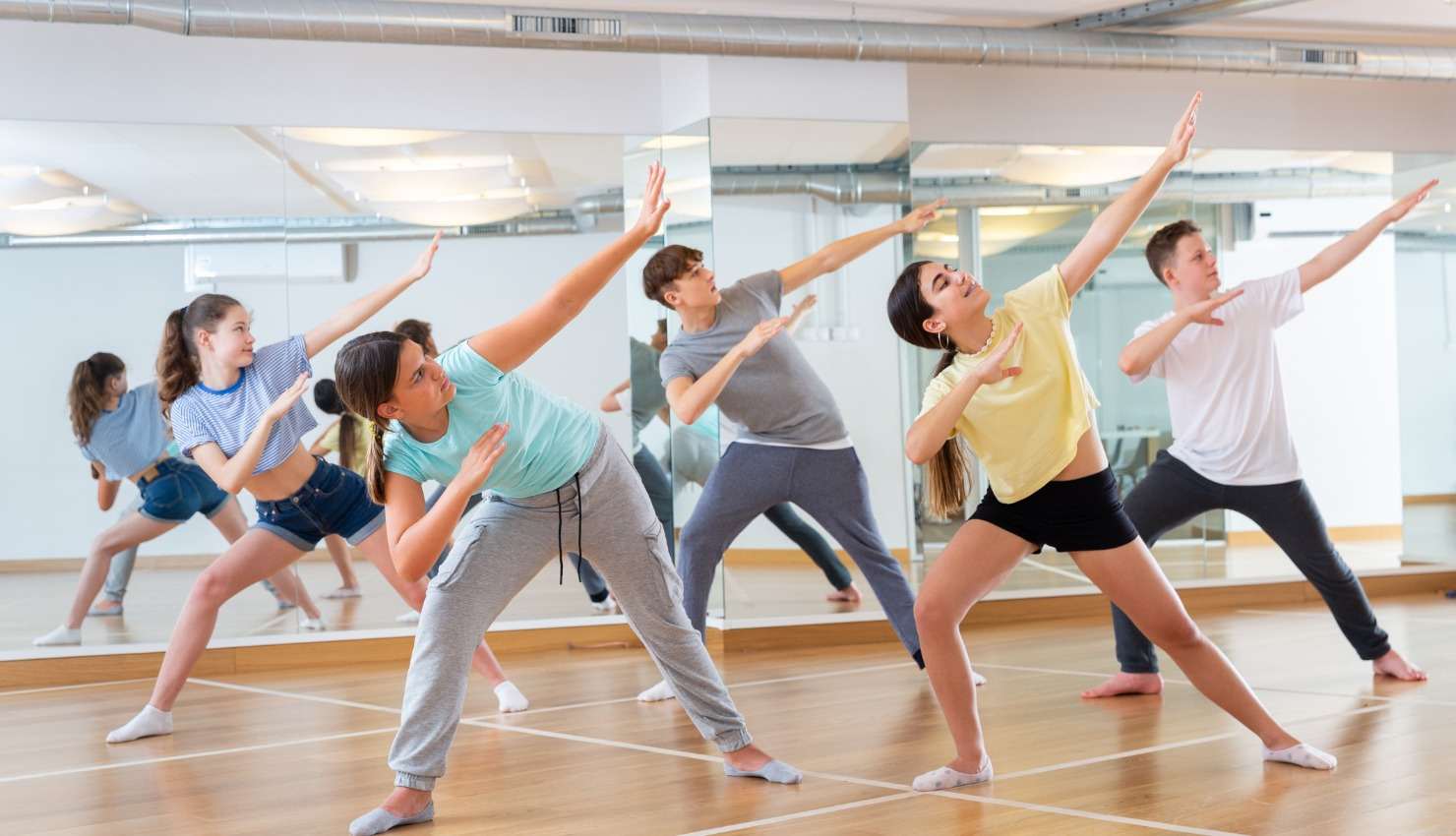
Dancing is one of the most physically demanding professions or hobbies that requires strength, flexibility, endurance, and coordination. Whether you’re a professional dancer or an enthusiast, the demands of your craft can take a toll on your body. Dancers often push their bodies to the limit, subjecting them to repetitive movements, high-impact routines, and intense physical exertion. Over time, this can lead to injury, chronic pain, and, in some cases, long-term musculoskeletal damage. This is where physiotherapy plays a vital role.
Physiotherapy offers a holistic approach to managing injuries, improving performance, and ensuring long-term health for dancers. In this blog, well explore the importance of physiotherapy for dancers and why its essential to include physiotherapy in your regular health and wellness routine.
The Intensity of a Dancers Physical Demands
Dancers perform repetitive and strenuous movements that can stress the muscles, joints, ligaments, and bones. From pirouettes to grand jetés, each movement requires precise control and often places immense pressure on different parts of the body. Repetition of these actions, along with physical fatigue, can lead to a variety of injuries, from muscle strains to joint issues like patellar tendinitis or stress fractures.
Dancers are often taught to push through the pain, but this mindset can lead to more significant, long-term damage if not managed properly. While some injuries may appear minor at first, they can worsen without adequate rehabilitation or attention. Regular physiotherapy ensures that dancers take the necessary steps to recover from injuries, prevent new ones, and maintain optimal physical health throughout their careers.
Preventing Injury: The Primary Benefit of Physiotherapy for Dancers
One of the greatest advantages of physiotherapy for dancers is its focus on injury prevention. Physiotherapists are trained to assess the dancer’s body mechanics, movement patterns, and overall physical condition. Through this comprehensive evaluation, physiotherapists can detect potential issues that may lead to injuries before they become problematic.
Addressing Imbalances:
Dancers often develop muscle imbalances due to the repetitive nature of their routines. For instance, performing a lot of jumping can lead to stronger quads and weaker hamstrings. Physiotherapists can correct these imbalances by creating a tailored exercise regimen that strengthens underused muscles and helps align the body properly.
Improving Flexibility:
Flexibility is essential for any dancer. Lack of flexibility can lead to strain and injury. Physiotherapists use a combination of stretching exercises and manual techniques to improve the range of motion in key areas, such as the hips, legs, and back. This allows dancers to move more freely, preventing overstretching or injury.
Biomechanical Optimization:
Every dancer has a unique way of moving. However, inefficient movement patterns or poor biomechanics can lead to unnecessary strain on the body, increasing the risk of injury. Physiotherapists analyze the way dancers move and provide guidance on improving posture, alignment, and technique, ensuring that every movement is efficient and safe.
The Role of Physiotherapy in Recovery from Dance Injuries
Despite the best efforts at prevention, injuries can still occur. When they do, physiotherapy becomes crucial for recovery. Physiotherapists play a pivotal role in helping dancers heal from injuries, get back to performing, and avoid future setbacks.
Rehabilitation After Acute Injuries:
Whether its a sprained ankle, muscle strain, or torn ligament, physiotherapy helps dancers recover by providing targeted rehabilitation. This process includes specific exercises, manual therapy, and other treatments to restore function, reduce pain, and regain strength in the injured area.
Managing Chronic Pain:
Long-term injuries or overuse injuries often result in chronic pain. Physiotherapy addresses these issues through techniques like deep tissue massage, stretching, and modalities such as ultrasound therapy or electrical stimulation to promote healing, reduce inflammation, and ease chronic pain. The goal is to restore the dancer to a pain-free state while ensuring that they maintain proper muscle strength and flexibility.
Gradual Return to Activity:
A critical aspect of recovery is safely returning to dance. After an injury, its essential that dancers gradually ease back into their routines to avoid re-injury. Physiotherapists create personalized rehabilitation plans that guide dancers through a slow and controlled return to full activity, with exercises to improve strength and flexibility tailored to their specific needs.
Enhancing Performance Through Physiotherapy
Physiotherapy is not only about recovery; it also plays a key role in improving overall performance. By addressing weaknesses, improving flexibility, and ensuring proper posture and alignment, physiotherapy helps dancers reach their full potential. Heres how:
Increased Strength and Power:
Physiotherapists design strength-building programs that target specific muscle groups necessary for dance. Stronger muscles provide better support for the joints, improving posture and preventing injuries during high-impact movements. A well-balanced strength routine enhances power and endurance, which are essential for performing demanding choreography.
Optimal Posture and Alignment:
Proper posture and body alignment are critical for both injury prevention and performance. Physiotherapists guide dancers in achieving the correct posture during both static positions and dynamic movements. Maintaining proper alignment improves balance, enhances fluidity in movement, and ensures that the bodys energy is used efficiently, which leads to better performance.
Injury Prevention Strategies:
Beyond addressing existing injuries, physiotherapy equips dancers with the tools they need to avoid future injuries. Physiotherapists educate dancers about safe movement techniques, proper warm-up and cool-down routines, and how to listen to their bodies. This proactive approach ensures that dancers stay injury-free for the long term, allowing them to continue performing at their best.
Longevity in Dance: The Long-Term Benefits of Physiotherapy
For dancers, longevity in their careers is essential. Physiotherapy is instrumental in ensuring that dancers remain physically healthy throughout their careers and beyond. The long-term benefits include:
Reduced Risk of Chronic Injury:
Regular physiotherapy helps manage wear and tear on the body, reducing the chances of chronic injuries such as arthritis or tendonitis. By strengthening muscles, improving flexibility, and optimizing movement, dancers can continue dancing well into their later years.
Maintaining Physical and Mental Well-being:
Dance is a mentally and physically demanding profession, and maintaining well-being is vital for overall success. Physiotherapy not only helps manage physical pain but also provides the tools for managing mental stress. The ability to recover properly from injuries reduces the anxiety and frustration that dancers may face when dealing with pain or setbacks.
Adaptation to Aging:
As dancers age, their bodies may require additional care to remain flexible and strong. Physiotherapy offers personalized programs that help dancers adapt their routines and techniques as they get older, ensuring they can continue dancing without compromising their health.
Conclusion
Dancers should prioritize their health and long-term well-being, and physiotherapy is an essential part of that strategy. Whether youre looking to prevent injury, recover from an existing injury, or improve your performance, physiotherapy provides the tools you need to maintain a healthy and sustainable dance career. By incorporating physiotherapy into your routine, you ensure that your body remains in top condition, allowing you to continue dancing with strength, flexibility, and ease for years to come.