How Physiotherapy Improves Strength and Mobility in Dancers explores targeted strategies for recovery. Discover new paths to mobility, healing, and personalized care.

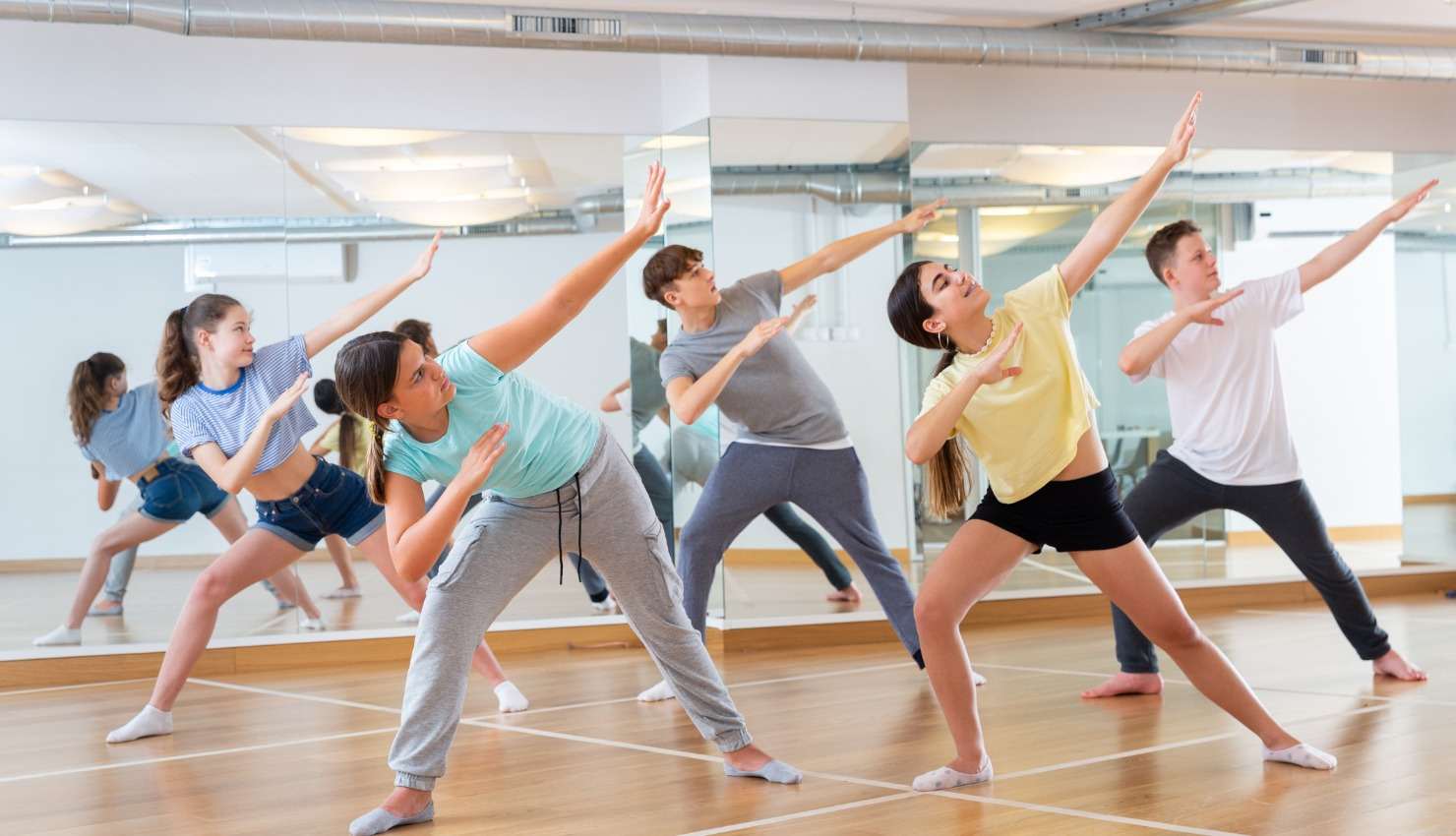
Dancers require a unique combination of strength, flexibility, and mobility to perform at their best. Each routine demands precise control over movements, balance, and the ability to execute intricate choreography. Whether performing classical ballet, contemporary, or hip-hop, a dancers body needs to move with grace and power, all while avoiding injury.
For many dancers, maintaining strength and mobility can be challenging due to the repetitive and high-impact nature of their routines. However, physiotherapy plays a vital role in enhancing these key physical attributes. In this blog, well explore how physiotherapy helps improve strength and mobility in dancers, ensuring they can perform with both ease and power while maintaining long-term health.
The Importance of Strength and Mobility in Dance
Strength and mobility are two of the most critical factors for a dancers success. Heres how they impact a dancers performance:
Strength: Strong muscles are essential for supporting the body during demanding movements. This strength helps dancers maintain proper posture, execute powerful jumps, and support their own body weight during dynamic sequences. Without adequate strength, dancers risk straining their muscles or injuring themselves when performing high-impact or complex movements.
Mobility: Mobility refers to the ability of a joint to move through its full range of motion. For dancers, mobility is key to executing fluid movements, such as splits, high kicks, and jumps. Limited joint mobility can restrict a dancers ability to perform certain steps and may lead to compensations that increase the risk of injury.
Together, strength and mobility enable dancers to perform at their best and minimize the risk of overuse injuries. Without proper care and attention to these two elements, dancers may struggle to reach their full potential, and injury could set them back.
How Physiotherapy Improves Strength in Dancers
Physiotherapists play a crucial role in developing targeted strength programs that help dancers build the muscle power necessary to perform efficiently. Heres how physiotherapy helps improve strength:
Targeted Strengthening Exercises:
Physiotherapists design personalized exercise programs that target the specific muscle groups that dancers use most frequently. For instance, ballet dancers rely heavily on their calves, quadriceps, and core muscles, while hip-hop dancers may focus on building strength in their legs and upper body. Strengthening exercises like squats, lunges, and planks help dancers improve muscle endurance, power, and control, which are essential for executing precise movements.
Improving Core Stability:
Core strength is essential for dancers, as it helps stabilize the spine, support posture, and maintain balance during intricate movements. Physiotherapists incorporate exercises that strengthen the abdominal, back, and hip muscles, ensuring that the dancer has a stable foundation to perform controlled movements. A strong core also reduces the risk of back and neck pain, which is common in dancers.
Muscle Imbalance Correction:
Many dancers develop muscle imbalances due to repetitive movements that favor one side of the body or certain muscle groups over others. Physiotherapists assess these imbalances and design strength programs that target underused muscles to correct these asymmetries. By addressing muscle imbalances, physiotherapists help dancers move more efficiently, prevent strain, and improve their overall strength.
Joint Stability and Protection:
Strengthening muscles around key joints, such as the ankles, knees, and hips, helps stabilize these areas and protect them from injury. For example, strengthening the hip abductors and quadriceps helps protect the knees from excessive strain, which is essential for dancers who regularly perform jumps and turns.
How Physiotherapy Improves Mobility in Dancers
Dancers need a significant amount of joint mobility to perform a wide range of movements. Physiotherapy can help improve mobility by focusing on flexibility and joint range of motion. Heres how physiotherapy enhances mobility:
Stretching and Flexibility Exercises:
Physiotherapists incorporate stretching techniques to increase flexibility in key areas such as the hamstrings, hip flexors, and lower back. Improving flexibility allows dancers to achieve deeper lunges, higher kicks, and smoother transitions between movements. Stretching exercises can be dynamic (active movements) or static (holding a stretch), depending on the dancers needs and the type of dance they perform.
Joint Mobilization:
Physiotherapists use manual therapy techniques, such as joint mobilization, to increase the range of motion in stiff joints. This technique involves applying gentle pressure to specific joints to improve their mobility, which is especially helpful for dancers with tight hips, ankles, or knees. Joint mobilization is designed to relieve stiffness, reduce pain, and allow the joints to move freely, enhancing the dancers ability to perform movements without restriction.
Postural Alignment and Mobility:
Good posture and body alignment are essential for maintaining proper mobility. Physiotherapists work on correcting postural imbalances, such as rounded shoulders or forward head posture, which can limit mobility and increase the risk of injury. By improving posture, dancers can improve their body alignment, allowing for better joint movement and mobility throughout their routines.
Balance and Coordination Exercises:
Mobility is not just about flexibility; it also involves the ability to control movement. Physiotherapists use balance and coordination exercises to help dancers develop better control over their movements. These exercises may include activities like single-leg stands, stability ball exercises, or proprioception drills that challenge the dancers balance and control.
The Role of Physiotherapy in Injury Prevention
Dancers who lack sufficient strength or mobility are more likely to suffer from injuries. Physiotherapy not only helps improve strength and mobility, but it also reduces the risk of injuries by addressing underlying issues before they become problems.
Addressing Weaknesses and Imbalances:
Through physiotherapy, dancers can identify weak areas or imbalances in their bodies and work to correct them before they lead to injury. This could include strengthening weak muscles, stretching tight muscles, or improving joint mobility to prevent overuse injuries.
Creating Personalized Injury Prevention Plans:
Physiotherapists create individualized plans that incorporate strength, mobility, and flexibility exercises to address a dancers specific needs. These plans ensure that dancers have the necessary physical foundation to handle the demands of their routines while minimizing the risk of strain or injury.
Teaching Proper Technique and Alignment:
Physiotherapists educate dancers on proper technique and alignment, ensuring they perform movements correctly and efficiently. This not only improves performance but also helps avoid injury by reducing unnecessary stress on the body.
Conclusion
Strength and mobility are the cornerstones of a dancers performance. Without adequate strength, a dancer may struggle with balance and stability, while limited mobility can hinder fluid movement and graceful execution. Physiotherapy is key to improving both strength and mobility, ensuring that dancers perform at their best while minimizing the risk of injury.
By addressing weaknesses, improving flexibility, and enhancing joint mobility, physiotherapy enables dancers to move more efficiently, reduce strain, and increase their longevity in the field. If youre a dancer looking to enhance your strength and mobility, physiotherapy is an invaluable tool that can help you reach your full potential while keeping you healthy and performing for years to come.