Why You Should Start Physiotherapy Early in Your Dance Career explores targeted strategies for recovery. Discover new paths to mobility, healing, and personalized care.

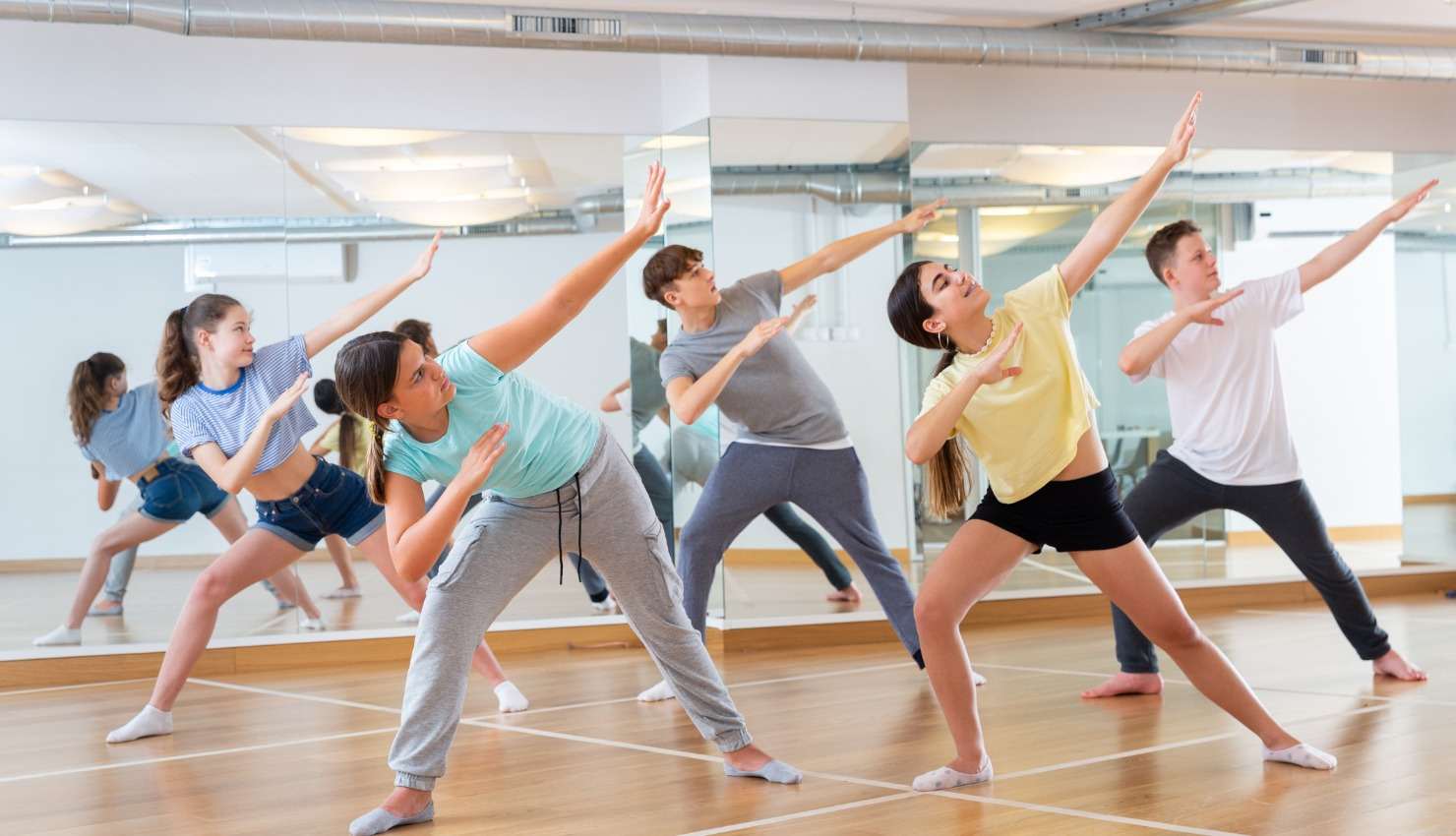
As a dancer, maintaining a healthy body is crucial to achieving success and longevity in your career. The physical demands of dance can put immense strain on your muscles, joints, and bones, and early injury prevention and treatment can significantly enhance your performance. One of the best ways to ensure a long and injury-free career in dance is to start physiotherapy early. In this blog, we will discuss why starting physiotherapy early in your dance career is beneficial, and how it can help you build a strong foundation for long-term success.
Understanding the Demands of Dance on the Body
Dance is an incredibly physically demanding art form that requires strength, flexibility, coordination, and endurance. With the constant use of muscles and joints, particularly in high-impact routines like jumps, turns, and lifts, dancers are prone to overuse injuries and muscle imbalances. These injuries can develop gradually, often without obvious symptoms at first, but can become more serious if not addressed early.
Many dancers experience injuries related to overuse, improper technique, or insufficient recovery. Common injuries include sprains, strains, tendinitis, stress fractures, and joint problems. These injuries can set dancers back in their training, or worse, end their careers prematurely. Physiotherapy can help prevent and address these issues by focusing on strengthening muscles, correcting movement patterns, improving flexibility, and optimizing overall performance.
Injury Prevention and Early Intervention
Starting physiotherapy early in your dance career is the best way to prevent injuries before they occur. Physiotherapists specialize in assessing your movement patterns, posture, and alignment to identify any weaknesses or imbalances that could increase your risk of injury. By addressing these issues early on, physiotherapists can help you make the necessary adjustments to reduce the likelihood of long-term damage.
For example, if a dancer has poor alignment or a weak core, physiotherapy can help correct these issues before they lead to chronic pain or injury. Through targeted exercises, physiotherapists can strengthen key muscle groups and improve flexibility, which helps protect the joints from excessive stress.
Additionally, physiotherapists educate dancers about the importance of warming up, cooling down, and practicing proper technique during rehearsals and performances. These preventive measures can help dancers avoid common injuries like muscle strains, ligament sprains, or stress fractures.
Enhancing Movement Efficiency and Technique
One of the most significant benefits of starting physiotherapy early is the improvement of movement efficiency. Proper technique is vital in dance, as incorrect posture, alignment, or muscle usage can lead to poor performance and increased injury risk. Physiotherapists work with dancers to assess their technique and help them develop optimal movement patterns.
For instance, if a dancer is experiencing difficulty with certain movements, a physiotherapist can help correct their alignment or suggest exercises to target weak areas. Over time, these adjustments not only enhance the dancer’s performance but also help improve their strength, flexibility, and coordination.
By refining movement patterns and technique early in a dancers career, physiotherapy ensures that dancers are performing at their highest level with a reduced risk of strain or injury. Improved efficiency also means that dancers can perform longer, with greater endurance, without feeling fatigued or risking overuse injuries.
Building a Strong Foundation for Long-Term Success
Starting physiotherapy early in your dance career helps lay the foundation for long-term success. Dancers who begin physiotherapy from the outset of their training are less likely to experience career-threatening injuries down the road. Physiotherapy helps dancers build the physical resilience they need to sustain their career over time, enabling them to perform at a high level well into their 30s and beyond.
A strong foundation in flexibility, strength, and mobility allows dancers to tackle more challenging choreography with ease and confidence. It also prepares the body for the demands of advanced movements, including high-impact jumps and turns. Physiotherapy helps dancers not only recover from injuries but also develop the strength and conditioning to avoid injury altogether as they progress through their career.
Recovery and Rehabilitation from Early Injuries
While injury prevention is the primary focus of early physiotherapy, starting physiotherapy early also means that recovery from any injuries is faster and more effective. Dancers who experience early injuries, such as strains or sprains, benefit from physiotherapy by receiving targeted rehabilitation. Physiotherapists use a combination of manual therapy, exercises, and modalities (like ultrasound or electrical stimulation) to speed up recovery and restore the dancers strength and flexibility.
Starting physiotherapy early ensures that even if an injury occurs, it can be treated promptly, reducing the likelihood of further complications. Early intervention is key to avoiding long-term damage and ensures that dancers can return to training and performing as soon as possible.
Strengthening the Mind-Body Connection
Dancers often push themselves to their physical limits, and maintaining a strong mind-body connection is essential for peak performance. Physiotherapy supports this connection by helping dancers understand the mechanics of their body and how it moves during different dance techniques. This knowledge helps dancers improve body awareness and makes it easier for them to execute movements with precision.
Additionally, physiotherapy can help dancers reduce stress and mental fatigue by incorporating relaxation techniques and mindfulness practices. Dancers often face pressure during rehearsals and performances, and having the tools to manage stress is crucial for maintaining focus and avoiding injuries related to tension or anxiety.
Conclusion
Starting physiotherapy early in your dance career offers numerous benefits that go beyond injury prevention. It helps improve your technique, builds a strong physical foundation, and enhances movement efficiency. Physiotherapy ensures that you have the strength, flexibility, and endurance to perform at your highest level while reducing the risk of injury. By addressing weaknesses and imbalances early, physiotherapists help dancers maintain a healthy, injury-free body throughout their career.
If you’re a dancer starting your journey, or even if youve been dancing for years, consider incorporating physiotherapy into your training routine. Its an investment in your long-term health and success, helping you avoid injuries and perform at your best for many years to come.