How to Strengthen Your Muscles for Dance with Physiotherapy explores targeted strategies for recovery. Discover new paths to mobility, healing, and personalized care.

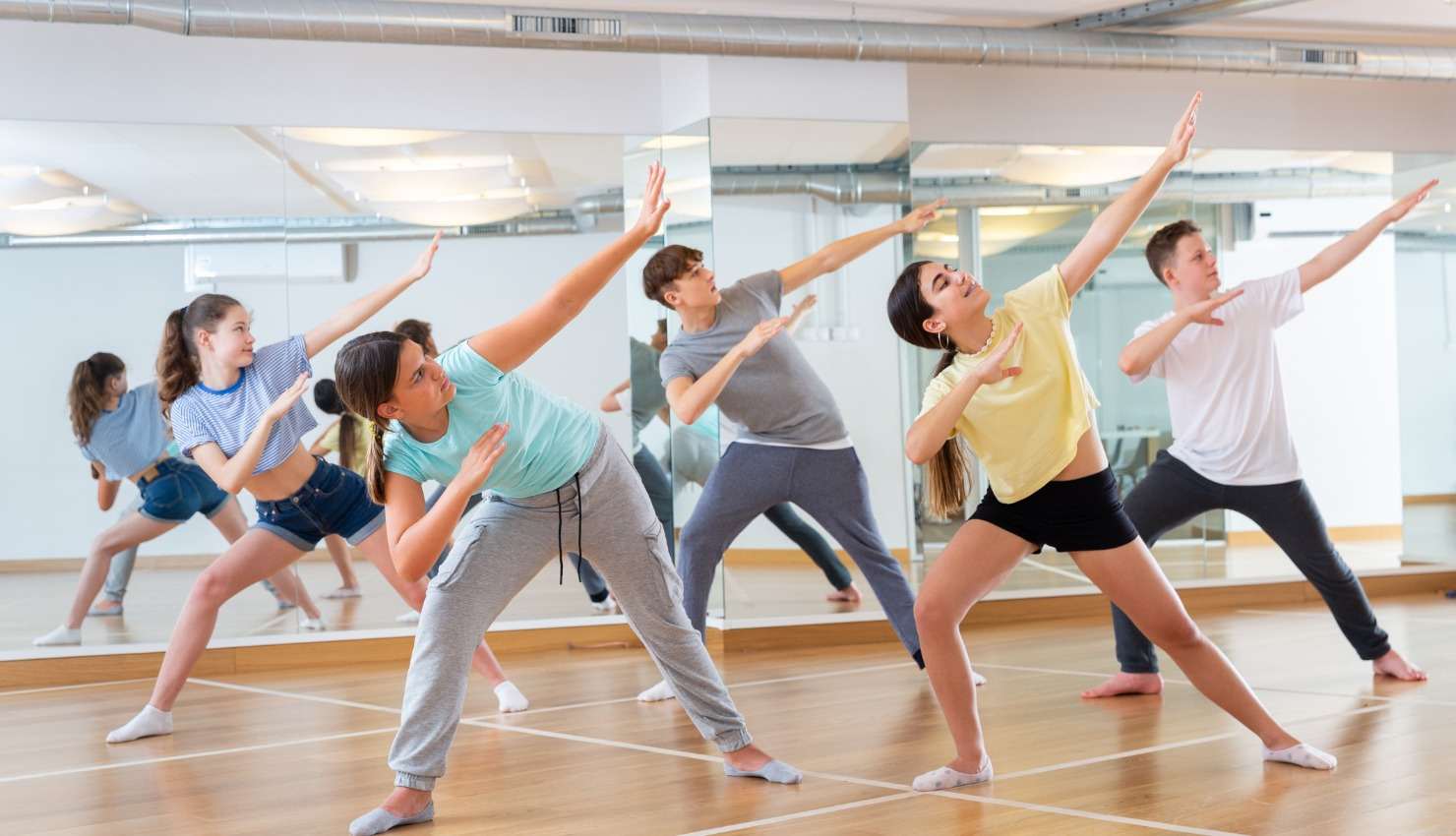
Dancing is an intense physical activity that demands strong, flexible muscles, proper coordination, and the ability to perform intricate and dynamic movements. Whether you are a ballet dancer, a hip-hop enthusiast, or a contemporary dancer, muscle strength is essential for maintaining good posture, preventing injuries, and executing movements effectively. Physiotherapy offers a structured approach to strengthening muscles for dance, targeting specific areas that will enhance your overall performance. In this blog, well delve into how physiotherapy can help dancers strengthen their muscles and achieve peak physical condition.
The Role of Muscle Strength in Dance
Muscle strength plays a pivotal role in dance. Strong muscles enable dancers to maintain balance, power through jumps, hold difficult poses, and control their movements with precision. However, muscle strength alone is not enough; dancers also need endurance, flexibility, and proper muscle activation to avoid injury and perform at their best.
When muscles are not adequately conditioned, dancers may experience fatigue, pain, and poor performance. Strengthening the muscles required for specific dance styles can make a huge difference in overall performance, reduce fatigue during long rehearsals, and, most importantly, prevent injuries that could keep you out of the studio.
Why Physiotherapy is Essential for Muscle Strengthening in Dance
Physiotherapy is one of the most effective ways to ensure that dancers are strengthening their muscles properly and preventing unnecessary strain. Physiotherapists can design personalized strengthening programs that take into account your unique needs, goals, and dance style. Here’s how physiotherapy helps build muscle strength for dancers:
1. Targeted Strengthening Programs
A physiotherapist will assess your individual needs and develop a program that targets the muscle groups most essential for your dance style. For example, ballet dancers may require more focus on the legs, core, and feet, while hip-hop dancers may need to focus on building upper body and core strength. Physiotherapists ensure that each muscle group is strengthened in a way that maximizes your performance while reducing the risk of injury.
The program will likely include a mix of weight-bearing exercises, resistance training, and functional movements designed to mimic dance movements. The physiotherapist will gradually increase the intensity of exercises to challenge your muscles in a safe and controlled manner.
2. Core Strengthening
Core strength is the foundation of most dance styles. A strong core enhances balance, improves posture, and stabilizes the pelvis, reducing the risk of injury to the lower back and hips. Physiotherapists use a variety of core exercises that target both the deep stabilizing muscles and the more superficial core muscles, ensuring you have the strength to maintain proper alignment while dancing.
Some common core exercises include planks, bridge variations, and rotational movements that simulate dance movements. By strengthening the core, physiotherapy helps dancers maintain stability and fluidity in their movements, which is essential for both aesthetic performance and injury prevention.
3. Joint Stability and Muscular Endurance
While building muscle strength is important, its equally crucial to develop joint stability and muscular endurance. In dance, muscles often need to support dynamic movements while maintaining stability in the joints. For example, a dancer performing a leap requires strong quadriceps, hip flexors, and calves to push off the floor, but they also need to stabilize their knees and ankles to land safely.
Physiotherapists incorporate exercises that focus on building endurance in key muscle groups while improving joint stability. These exercises help ensure that muscles can work for extended periods without becoming fatigued or losing proper form. For example, resistance bands, low-impact strengthening exercises, and balance exercises can help improve endurance and joint support.
4. Flexibility and Strength Combination
Flexibility and strength go hand in hand for a dancer. Being flexible without strength can lead to joint instability, while having strength without flexibility can cause stiffness and limit movement. Physiotherapists emphasize the importance of balancing these two elements, ensuring that muscles are not only strong but also supple.
Through a combination of strength-building and flexibility exercises, physiotherapy helps dancers achieve optimal mobility. For instance, a physiotherapist may use stretching exercises to improve flexibility while simultaneously providing strength training to stabilize and protect the muscles during these movements. This balance ensures a dancers body can handle the demands of complex movements and high-impact choreography.
5. Injury Prevention
Muscle strengthening through physiotherapy isnt just about performance enhancement its also about injury prevention. Dancers who train without proper guidance often develop imbalances between muscle groups, which can increase the risk of injury. For example, a dancer who focuses too much on their quadriceps and neglects their hamstrings may be more prone to hamstring strains.
A physiotherapist will assess your muscle imbalances and design a program to strengthen weaker muscles while ensuring overall muscle symmetry. Properly balanced muscles will provide better joint stability and movement efficiency, reducing the likelihood of common dance injuries like sprains, strains, and overuse injuries.
6. Progressive Load Management
Building muscle strength for dance requires a gradual increase in intensity and volume. If you push your muscles too hard too quickly, you risk overtraining or injuring yourself. Physiotherapists use a method called progressive loading to safely and effectively build muscle strength over time. By slowly increasing the load or resistance during training, physiotherapists ensure that muscles are being challenged without overloading them.
This progressive approach helps avoid injury while optimizing muscle strength development, ensuring that dancers perform at their best during practices and live performances.
Benefits of Physiotherapy for Muscle Strength in Dance
Integrating physiotherapy into your dance training routine offers numerous benefits, including:
Injury Prevention: Proper muscle strengthening reduces the risk of injuries caused by overuse or poor technique.
Improved Performance: Stronger muscles enable better control, balance, and endurance, leading to improved dance technique and overall performance.
Faster Recovery: Physiotherapy helps your muscles recover more efficiently after intense practice or performance, reducing downtime and soreness.
Enhanced Flexibility and Mobility: Physiotherapy enhances both flexibility and strength, enabling more fluid and dynamic movement.
Better Posture and Alignment: Strengthening muscles through physiotherapy helps improve posture and joint alignment, leading to more efficient movements and less strain on the body.
When to See a Physiotherapist
If you experience muscle weakness, pain, or difficulty with movement, its essential to consult a physiotherapist before the issue escalates. Early intervention can help address muscle imbalances and prevent long-term damage. Common signs that you should see a physiotherapist include:
Persistent pain or discomfort during or after dance practice.
Weakness in specific muscle groups, making it difficult to execute dance movements.
Tightness or stiffness that limits your range of motion.
Recurring injuries or strains in the same area.
Conclusion
Muscle strength is a fundamental component of dance performance and injury prevention. Through physiotherapy, dancers can target specific muscle groups, correct imbalances, and improve joint stability to enhance their performance and reduce the risk of injury. Whether you are working on improving your technique, building endurance, or recovering from an injury, physiotherapy offers a personalized approach to muscle strengthening that will ensure your body is prepared for the physical demands of dance.
For dancers across Canada, YourFormSUX provides tailored physiotherapy programs designed to strengthen your muscles and keep you performing at your best. Embrace physiotherapy to build strength, enhance your technique, and stay injury-free as you continue to pursue your passion for dance.