The Key Benefits of Physiotherapy for Dance Injury Prevention explores targeted strategies for recovery. Discover new paths to mobility, healing, and personalized care.

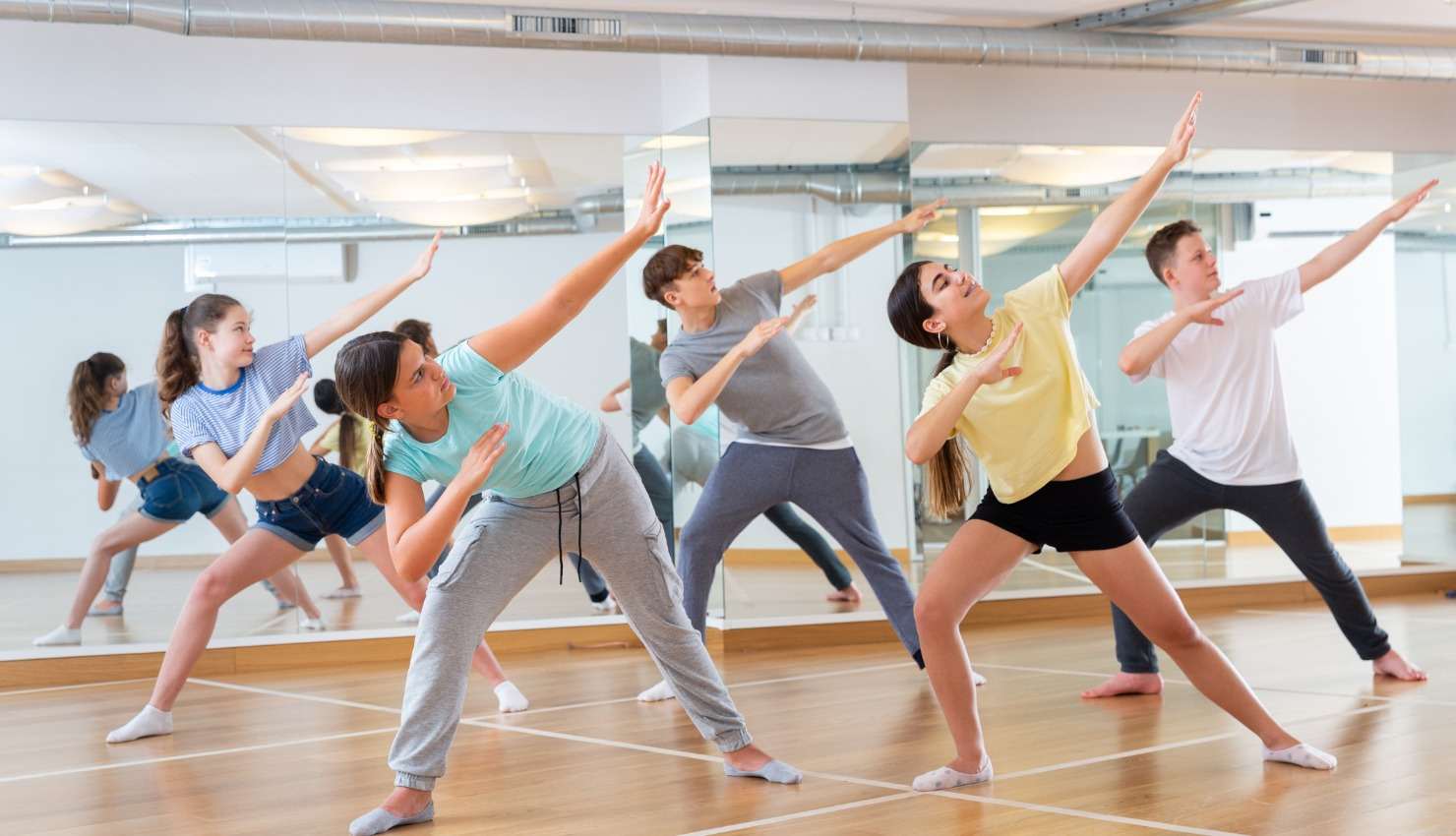
Dancing is an art that demands physical strength, flexibility, and precision, requiring the body to be pushed to its limits. Whether youre a professional dancer or an amateur, injury prevention is key to maintaining a healthy and long-lasting dance career. Physiotherapy plays a crucial role in preventing dance injuries by promoting optimal body mechanics, improving strength, and enhancing flexibility. Here’s why every dancer should incorporate physiotherapy into their weekly routine.
1. Improved Flexibility and Range of Motion
Dancers rely heavily on their flexibility to execute moves with precision, grace, and fluidity. Tight muscles, however, can limit movement and lead to strain or injury. Physiotherapists specialize in designing targeted stretching routines to improve flexibility and increase range of motion. This allows dancers to perform movements more easily while reducing the likelihood of muscle strains, tendon injuries, and joint problems.
2. Injury Prevention Through Personalized Assessments
One of the primary benefits of physiotherapy for dancers is its focus on injury prevention. Physiotherapists conduct detailed assessments of a dancers posture, gait, and movement patterns. By identifying any imbalances or weaknesses in the body, they can develop personalized injury prevention plans that help avoid common dance injuries like sprains, strains, and stress fractures. A physiotherapy routine tailored to the dancer’s unique body and style of dancing will strengthen weak points and correct misalignments, ensuring long-term health.
3. Building Strength and Endurance
Incorporating strength training into a dancers routine is vital to improve endurance and muscle control. Physiotherapists work with dancers to build strength in areas that are overused, such as the calves, thighs, and back, while also focusing on supporting muscle groups to maintain balance. This comprehensive approach minimizes the risk of fatigue-related injuries and ensures the body is prepared for the intense demands of dancing. Improved strength contributes to better posture, alignment, and overall performance.
4. Prevention of Overuse Injuries
Repetitive motions and overuse are common causes of dance-related injuries, especially among those who practice intensively. Physiotherapy plays a pivotal role in reducing the risk of overuse injuries by incorporating techniques such as manual therapy, joint mobilizations, and corrective exercises. These treatments not only address existing issues but also help in preventing them from recurring. Regular physiotherapy sessions can help keep dancers in peak physical condition, lowering their chances of developing injuries related to overtraining.
5. Enhanced Recovery Time
Even the most careful dancer may face injuries during their career. Physiotherapy accelerates the recovery process by promoting the bodys natural healing mechanisms. Physiotherapists use techniques like ice and heat therapy, massage, ultrasound, and therapeutic exercises to alleviate pain, reduce swelling, and restore function. These treatments are designed to get dancers back on their feet faster while ensuring they return to dancing without compromising their health.
6. Improved Balance and Coordination
Dancing requires excellent balance and coordination to execute complex movements safely. Physiotherapists design exercises that enhance proprioception (awareness of body position) and overall coordination. These exercises not only improve a dancers ability to perform intricate choreography but also reduce the risk of falls and other injuries. By improving balance and coordination, physiotherapy helps dancers stay nimble and agile, key attributes for any dancer.
7. Education and Injury Awareness
A key benefit of physiotherapy is the education that comes with it. Physiotherapists help dancers understand their bodies, the risks involved with their specific style of dance, and how to stay injury-free. They teach strategies to maintain proper posture, warm-up effectively, and avoid movements that could lead to injury. This knowledge empowers dancers to make safer choices during practice and performances, ensuring they protect their body in the long run.
Conclusion
Physiotherapy is an essential part of any dancers routine, whether they are in training, performing professionally, or recovering from an injury. By focusing on injury prevention, flexibility, strength, and recovery, physiotherapy helps dancers maintain their health and performance levels. It is not just for when an injury occurs it is a proactive approach that supports long-term health and longevity in the demanding world of dance. Incorporating physiotherapy into your weekly routine is one of the best investments you can make to ensure your body stays in peak condition and your career thrives.