How Physiotherapy Can Help Performers Recover from Dance-Related Tendon Injuries explores targeted strategies for recovery. Discover new paths to mobility, healing, and personalized care.

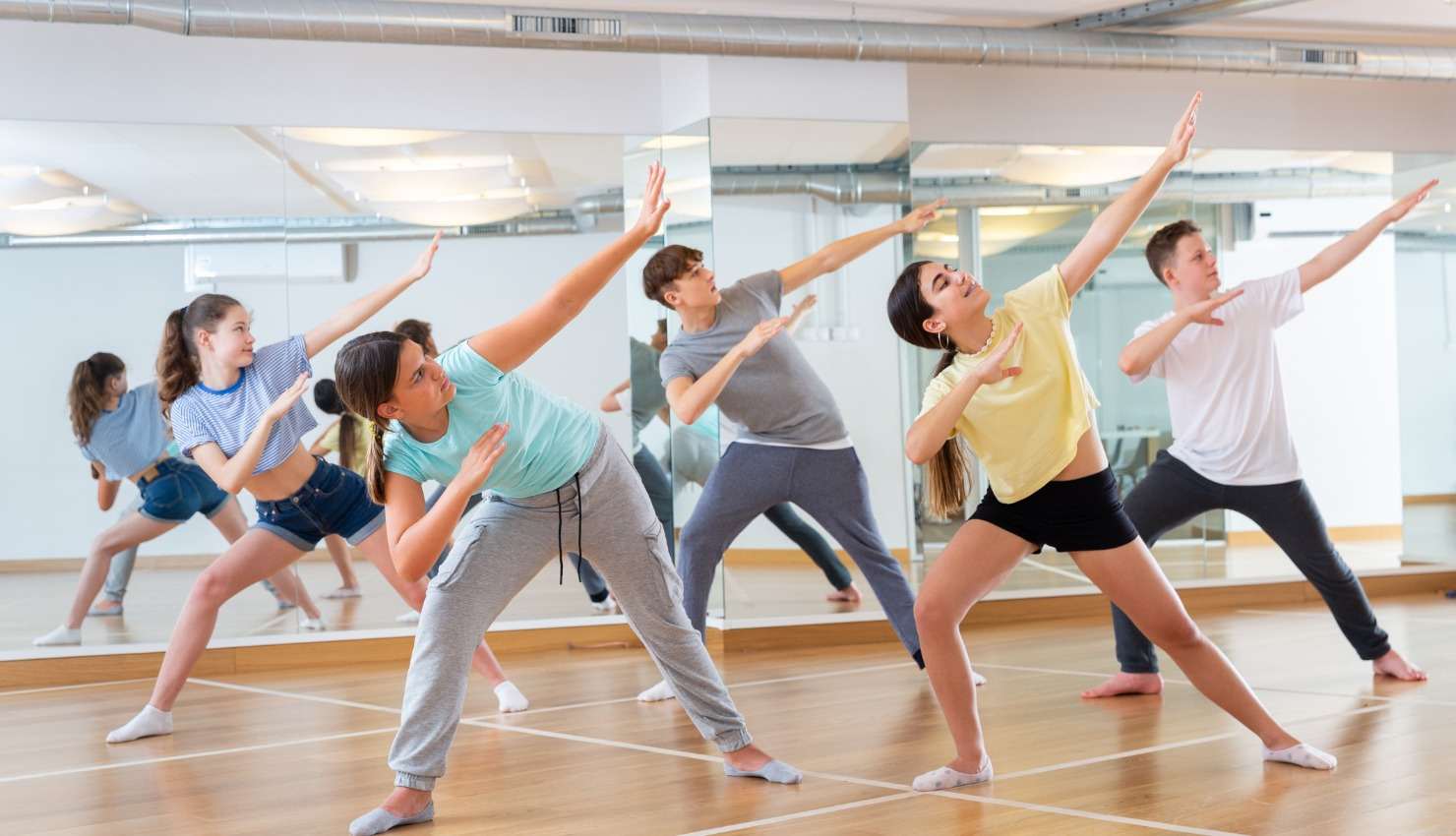
In the world of dance, tendon injuries are some of the most common yet painful ailments performers face. Whether you’re a ballet dancer executing high leaps, a contemporary dancer performing intricate floor work, or a street dancer incorporating dynamic moves, the demands placed on the body can result in overuse or sudden injury to the tendons. Tendon injuries often involve inflammation, pain, and difficulty with movement, which can significantly hinder a dancers ability to perform. This is where physiotherapy becomes invaluable for both rehabilitation and recovery.
In this blog, we will explore how physiotherapy can help performers recover from dance-related tendon injuries, focusing on techniques and treatments designed to get dancers back on their feet and performing at their best.
Understanding Tendon Injuries in Dance
Tendons are strong, fibrous tissues that connect muscles to bones. In dance, tendons are crucial because they allow the transfer of force from the muscles to the bones, enabling movement. The high-intensity movements, repetitive motions, and dynamic stretches required in dance can place a tremendous amount of stress on the tendons, leading to overuse injuries or acute strains.
Some of the most common tendon injuries in dancers include:
Achilles tendonitis: Inflammation of the tendon that connects the calf muscles to the heel bone, often caused by excessive jumping or pointe work.
Patellar tendonitis: Known as “jumper’s knee,” this occurs when the tendon connecting the kneecap to the shinbone becomes irritated, usually from repetitive jumping or bending.
Hamstring tendonitis: This type of injury happens when the tendons at the back of the thigh become overstretched or overworked, often due to excessive flexibility training or improper form.
Rotator cuff tendonitis: Involving the tendons of the shoulder, this injury typically occurs in dancers who perform overhead arm movements repetitively.
If left untreated, tendon injuries can lead to chronic conditions, making it harder to return to full functionality. Therefore, timely and appropriate treatment, such as physiotherapy, is essential for an effective recovery.
1. Pain Management and Inflammation Reduction
The first step in recovering from a tendon injury is managing pain and reducing inflammation. Physiotherapists use several techniques to help with these early stages of recovery. These methods can relieve discomfort and create a conducive environment for healing:
Cold therapy: Ice packs or cold compresses are applied to the injured tendon to reduce inflammation and numb pain.
Heat therapy: After the initial inflammation subsides, heat therapy can be used to increase blood flow to the injured area, promoting tissue healing.
Electrotherapy: Techniques like Transcutaneous Electrical Nerve Stimulation (TENS) or ultrasound therapy can help reduce pain, stimulate healing, and improve circulation to the injured area.
By addressing pain and inflammation early on, physiotherapists can help dancers manage the initial effects of tendon injuries and ensure that they can begin to restore their normal movement patterns.
2. Restoring Mobility and Flexibility
After an acute tendon injury, one of the primary goals of physiotherapy is to restore the affected tendons mobility and flexibility. Tendons often become stiff after an injury, and lack of flexibility can impede a dancer’s ability to perform key movements. Physiotherapists use targeted techniques to help dancers regain the range of motion needed for proper movement:
Stretching: Gentle and progressive stretching exercises can help lengthen the tendon and muscles surrounding the injury, which reduces tightness and improves mobility.
Manual therapy: Physiotherapists use hands-on techniques such as joint mobilizations, soft tissue massage, and myofascial release to alleviate stiffness in the injured area and promote muscle relaxation.
Restoring mobility allows dancers to start moving without experiencing the discomfort or limited range that often accompanies tendon injuries. The goal is to slowly introduce normal movement patterns to the affected tendon and ensure it functions properly once again.
3. Strengthening the Tendon and Surrounding Muscles
A crucial aspect of recovering from tendon injuries is rebuilding the strength of both the tendon and the muscles around it. Weakness in the muscles surrounding the tendon can place additional strain on the injured tendon, prolonging the recovery process and increasing the risk of re-injury. Physiotherapists design specific strengthening exercises to promote tendon healing and prevent future injury:
Isometric exercises: These exercises involve contracting the muscle without moving the joint, which helps stimulate tendon healing and muscle activation without putting strain on the tendon.
Eccentric exercises: This technique involves lengthening the muscle under load, which is particularly effective in treating tendon injuries. For example, a dancer with Achilles tendonitis might be asked to perform eccentric calf raises to strengthen the Achilles tendon progressively.
Resistance training: Gradual strengthening of muscles around the injured tendon helps to offload pressure from the tendon, reducing strain and improving overall movement efficiency.
Strengthening the tendon and surrounding muscles will help dancers regain full functionality and reduce the risk of injury when they return to dancing.
4. Gradual Return to Dance and Performance
Once pain and inflammation are managed, and flexibility and strength have been restored, physiotherapists help dancers gradually return to their dance routines. Returning to full performance levels too quickly can lead to re-injury, so its essential to take a progressive approach:
Modified exercises: Dancers are initially encouraged to practice modified versions of their regular routines, focusing on lower-intensity movements. This allows the tendon to adapt to the demands of dance without overloading the injured area.
Proprioceptive training: Proprioception refers to the bodys ability to sense its position and movement in space. Training exercises designed to improve balance and coordination can help the dancer regain the confidence to perform complex movements without risking injury.
Technique retraining: Improper technique can contribute to the injury or delay recovery. Physiotherapists may work with the dancer to correct posture and alignment, ensuring the injured tendon is not subjected to unnecessary stress.
This gradual return ensures that the dancers body, particularly the injured tendon, has time to adapt and heal fully before engaging in full-force performances or competitions.
5. Education and Preventing Future Injuries
A key aspect of physiotherapy is educating the dancer on how to prevent future injuries. This includes strategies for:
Warm-up and cool-down routines: Physiotherapists emphasize the importance of warming up before each dance session and cooling down afterward to prevent muscle tightness and injury.
Proper technique: Physiotherapists help dancers learn proper movement mechanics to avoid putting unnecessary strain on their tendons and muscles.
Body mechanics and posture: Good posture and correct body mechanics during dance movements are crucial for tendon health. Physiotherapists guide dancers on how to adjust their body position during specific moves to avoid overuse and strain.
By incorporating injury prevention techniques into their routine, dancers can protect their tendons and other vulnerable areas from future injury, leading to longer-lasting health and performance.
Conclusion
Tendon injuries can be debilitating for dancers, but with the right approach to rehabilitation, recovery can be swift and effective. Physiotherapy plays a crucial role in helping dancers recover from tendon injuries, from managing pain and inflammation to strengthening and retraining the body for a safe return to dance. Through tailored exercises, hands-on treatments, and education, physiotherapists help dancers regain full function and prevent future injuries, allowing them to continue doing what they love.
If you’re a dancer dealing with a tendon injury, incorporating physiotherapy into your recovery plan is one of the best decisions you can make to ensure a speedy recovery and safe return to the stage.