The Role of Physiotherapy in Ensuring Long-Term Dance Performance Health explores targeted strategies for recovery. Discover new paths to mobility, healing, and personalized care.

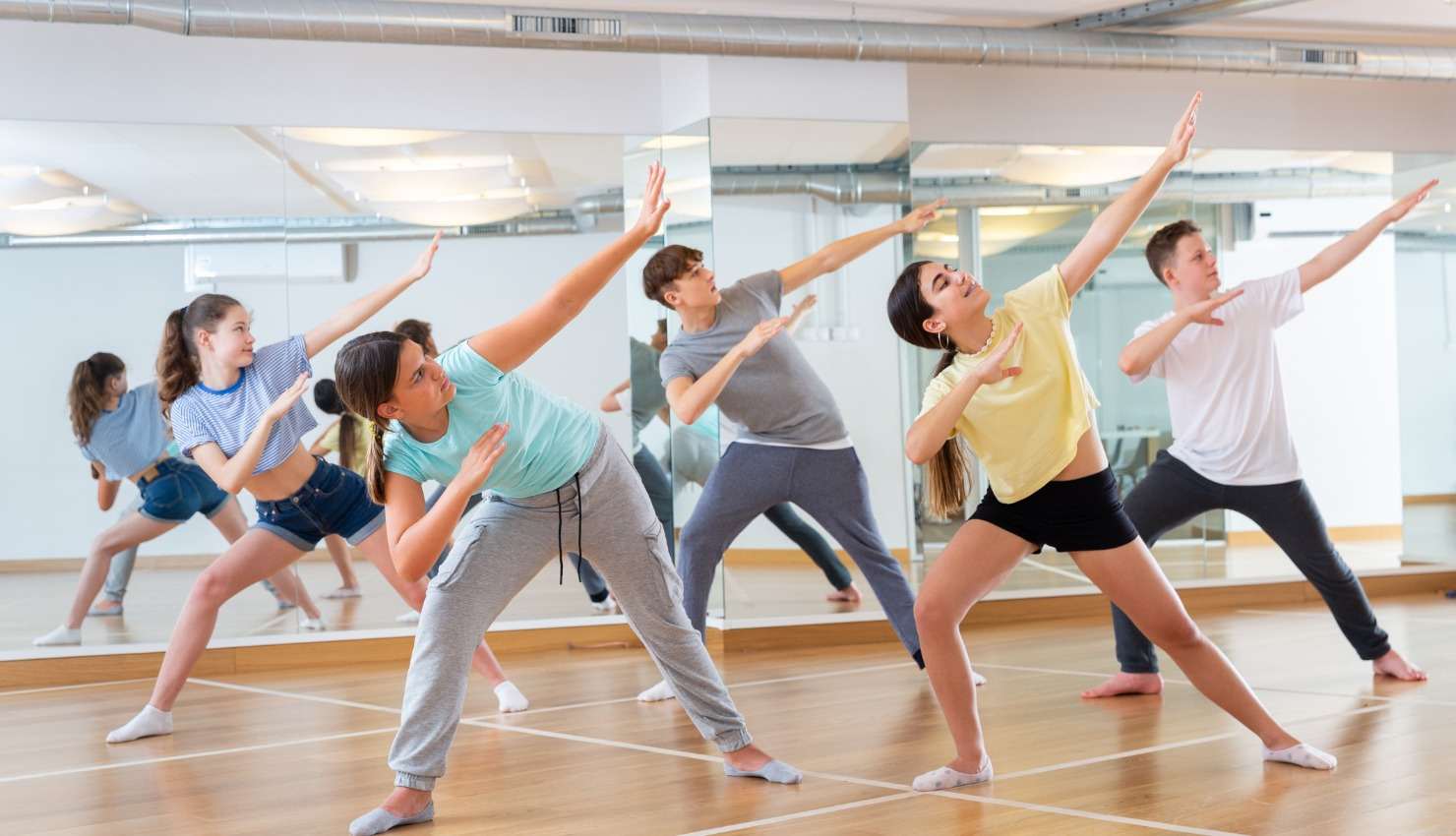
Dance is a beautiful, dynamic art form that pushes the human body to its limits. Whether you’re a ballet dancer performing delicate pirouettes or a hip-hop dancer executing powerful moves, maintaining your bodys health and performance capabilities is crucial. However, with the repetitive nature of many dance moves and the physical demands placed on the body, dancers are particularly susceptible to injuries and long-term wear and tear. This is where physiotherapy comes in a vital tool in ensuring long-term dance performance health.
Physiotherapy is not only about rehabilitation when injuries occur but also about optimizing physical performance, preventing future injuries, and ensuring that dancers can maintain their careers for many years. This blog delves into how physiotherapy contributes to the long-term health of dancers and why every dancer should integrate physiotherapy into their regular routine.
1. Preventing Dance Injuries Through Early Intervention
One of the key roles of physiotherapy is injury prevention. Dance involves intense physical activity that places significant stress on various parts of the body, especially the joints, muscles, tendons, and ligaments. Over time, these stresses can lead to chronic conditions such as tendonitis, stress fractures, and muscle strains. However, with early intervention, many of these injuries can be prevented.
Physiotherapists work with dancers to assess their movement patterns, flexibility, and strength. They identify any weaknesses or imbalances in the body that could lead to injury. For example, a dancer may have tight hip flexors that contribute to knee or lower back pain, or weak core muscles that cause poor posture and joint instability. Physiotherapists can detect these issues and develop a personalized prevention plan that includes stretching, strengthening exercises, and changes to the dancer’s technique to prevent injury before it occurs.
By addressing minor issues early on, physiotherapy can help avoid the development of more serious injuries down the road, ensuring dancers remain in top physical condition for years.
2. Maintaining Optimal Flexibility and Range of Motion
Flexibility is one of the cornerstones of dance. Dancers need to be able to stretch, twist, and bend with precision and ease. Physiotherapy helps dancers maintain and improve flexibility, which is critical for executing intricate dance movements. A lack of flexibility can lead to muscle strains, joint stiffness, and even chronic pain.
Through a combination of manual therapy, specific stretching techniques, and flexibility exercises, physiotherapists can help dancers improve their range of motion and prevent stiffness. Stretching not only helps improve the flexibility needed to perform high extensions, deep pliés, or other demanding moves but also promotes circulation and reduces the risk of overuse injuries.
As flexibility naturally decreases with age, it becomes even more important for dancers to include physiotherapy in their routine to ensure that their flexibility is maintained and improved over time.
3. Strengthening the Body for Enhanced Performance
Dance is a full-body activity that requires strength, balance, coordination, and endurance. Physiotherapy plays an important role in building strength in key areas of the body that are critical for dancers. For example, dancers often rely on their legs, core, and lower back muscles for stability and power during jumps, lifts, and other movements. However, certain muscle groups are often overused, while others remain weak, creating imbalances that can lead to injury.
A physiotherapist will design a personalized strength training program to address muscle imbalances and build the strength needed to perform at peak levels. These programs may include exercises that focus on both major muscle groups (e.g., quadriceps, hamstrings, calves) and smaller stabilizing muscles (e.g., glutes, hip flexors, core muscles).
Strengthening the muscles surrounding key joints, such as the knees, ankles, and shoulders, helps to reduce the strain placed on the joints and tendons, preventing injuries such as sprains, strains, and tendonitis. Additionally, a strong body supports better control and technique, allowing dancers to execute movements with greater precision and efficiency.
4. Promoting Joint Health and Mobility
Joint health is crucial for any dancer, as the bodys joints bear much of the impact from repetitive movements. Physiotherapy helps maintain joint health by improving mobility, strength, and alignment. Over time, repetitive dancing can lead to joint stiffness, arthritis, or pain, which can limit a dancers range of motion and performance.
Physiotherapists use a variety of techniques, including joint mobilizations and manual therapy, to increase the range of motion in the affected joints. These treatments help dancers maintain healthy joint function and ensure they can move freely and without discomfort.
Furthermore, physiotherapists provide guidance on proper technique and alignment, which reduces the strain on the joints during dancing. By ensuring that movements are performed correctly, dancers can prevent unnecessary wear and tear on their joints and tendons, contributing to their long-term health.
5. Rehabilitation and Recovery From Injuries
Despite the best injury prevention strategies, injuries can still happen. Whether a dancer is recovering from an acute injury or managing a long-term condition, physiotherapy plays an essential role in rehabilitation. Physiotherapists help dancers recover from injuries more quickly and safely by using a range of therapeutic techniques, including:
Manual therapy: Techniques like massage, soft tissue mobilization, and myofascial release are used to reduce pain, relieve muscle tension, and promote healing.
Exercise therapy: Strengthening, stretching, and proprioception exercises are designed to restore full function to the injured area and prevent future injuries.
Pain management: Physiotherapists use modalities such as heat, cold, ultrasound, and electrical stimulation to reduce pain and inflammation.
A key aspect of physiotherapy during rehabilitation is gradually returning to full movement. Dancers often try to return to their routines too quickly, which can lead to re-injury. Physiotherapists guide dancers through a progressive recovery process, allowing them to rebuild strength and mobility before returning to full intensity.
6. Education on Injury Prevention and Proper Technique
In addition to treating injuries and promoting recovery, physiotherapists play a key role in educating dancers about injury prevention. They teach dancers how to properly warm up before practice, cool down afterward, and stretch regularly to keep muscles and joints in good condition.
Physiotherapists also provide education on proper technique, which is essential for reducing the risk of injury. Incorrect posture, alignment, or technique can place unnecessary stress on the body, leading to both acute and overuse injuries. By addressing these issues and promoting the development of safe and effective movement habits, physiotherapists ensure that dancers can perform safely and efficiently.
7. Long-Term Career Health and Longevity
Dancing can be a physically demanding career, and many dancers worry about the long-term impact on their bodies. By regularly incorporating physiotherapy into their routine, dancers can not only improve their performance but also ensure that they remain healthy throughout their careers.
Physiotherapists help dancers maintain the physical health and mental resilience needed to succeed in their careers. Through a combination of injury prevention, rehabilitation, strength training, and education, physiotherapy supports long-term health and career longevity. This means dancers can continue to perform at a high level without sacrificing their well-being.
Conclusion
Incorporating physiotherapy into a dancers regular routine is a crucial investment in their long-term health and performance. Physiotherapy not only helps prevent and rehabilitate injuries but also improves flexibility, strength, joint health, and overall performance. By ensuring that their body stays in optimal condition, dancers can continue to perform at their best, avoid injuries, and prolong their careers in the physically demanding world of dance.
For every dancer, physiotherapy is a vital tool in ensuring a long, healthy, and successful dance career. Whether you are recovering from an injury or looking to improve your performance, physiotherapy is the key to maintaining the bodys health, strength, and flexibility for years to come.