How Physiotherapy Can Help With Common Dance Injuries explores targeted strategies for recovery. Discover new paths to mobility, healing, and personalized care.

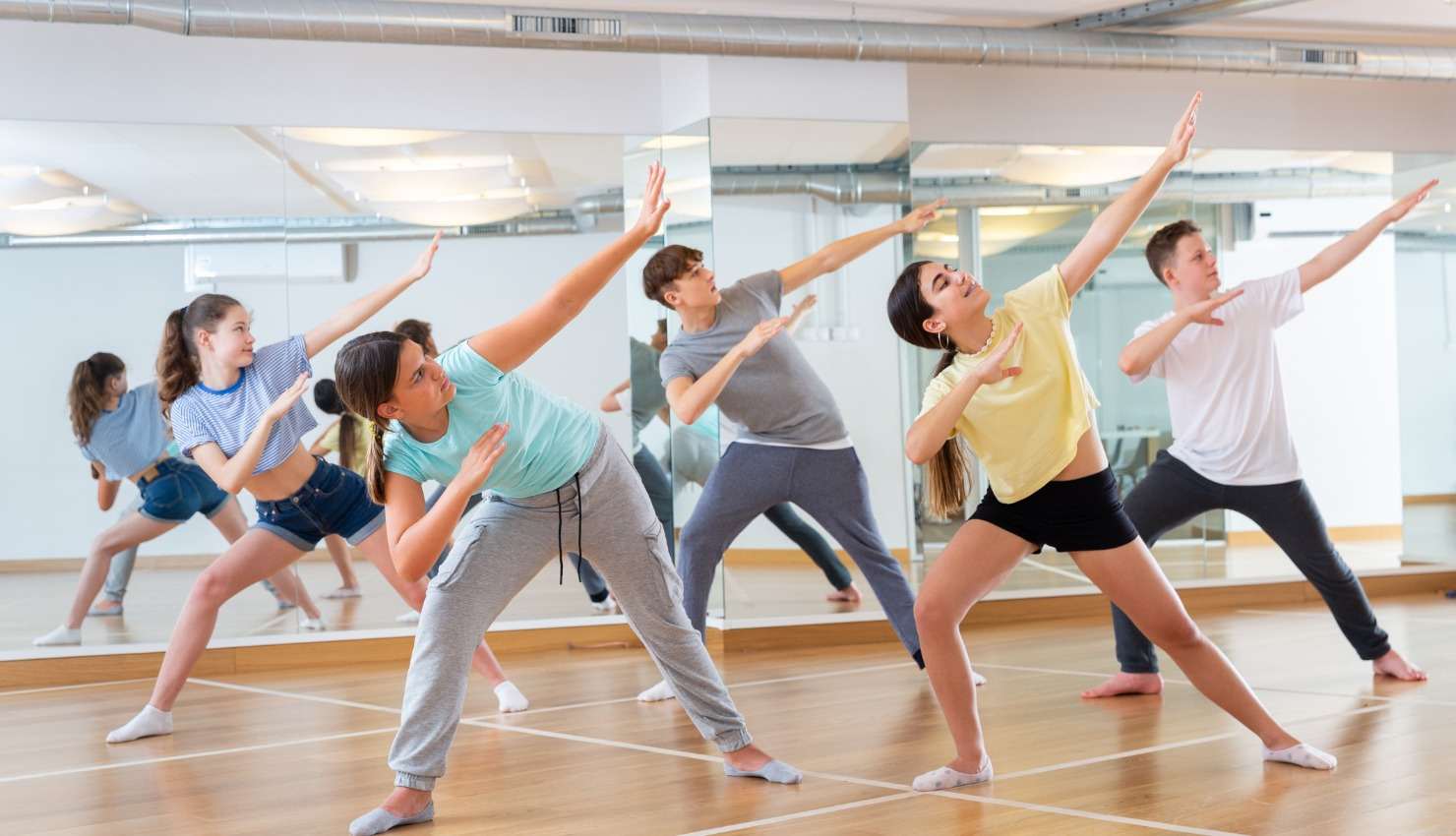
Dance is an art form that requires not only creativity and expression but also incredible physical strength, coordination, and endurance. From ballet to contemporary, hip-hop to jazz, dancers constantly push their bodies to perform complex and demanding movements. As a result, injuries are common, ranging from minor strains to more serious musculoskeletal issues. Fortunately, physiotherapy can help dancers recover from these injuries, enhance their physical capabilities, and prevent future issues.
In this blog, well explore how physiotherapy can assist with some of the most common dance injuries, how it helps speed up recovery, and how it contributes to a dancer’s overall physical health.
1. Ankle Sprains and Strains
Ankle sprains and strains are among the most common injuries for dancers, particularly those who engage in jump-heavy styles such as ballet or hip-hop. These injuries occur when the ligaments or muscles in the ankle are overstretched or torn. Symptoms can include pain, swelling, bruising, and difficulty bearing weight on the affected foot.
Physiotherapy plays a crucial role in treating ankle sprains and strains by focusing on:
Pain management: Physiotherapists use ice and heat therapy to reduce inflammation and pain in the affected area. Additionally, techniques like ultrasound or electrical stimulation can help accelerate the healing process.
Restoring movement: After an initial rest period, physiotherapists will guide the dancer through gentle exercises to restore range of motion in the ankle. This could include ankle mobility exercises or stretching techniques designed to reduce stiffness.
Strengthening exercises: Once the pain decreases, physiotherapists will incorporate strengthening exercises to rebuild the muscles around the ankle, such as calf raises and resistance training. This helps to prevent future sprains and improves balance, which is critical for dancers.
Gradually incorporating weight-bearing activities and balance exercises helps dancers regain their confidence in their movements, allowing them to return to their routine without the risk of re-injury.
2. Hamstring Injuries
Hamstring injuries, which involve strains or tears to the muscles at the back of the thigh, are common in dance, especially in styles that require high kicks, leaps, or splits. These injuries often result from overstretching or sudden movements, causing discomfort, swelling, and limited mobility.
Physiotherapy for hamstring injuries focuses on:
Reducing pain and inflammation: As with other injuries, physiotherapists use ice and heat therapy to reduce swelling and promote healing in the muscle. Massage therapy and myofascial release can also help relieve tension in the affected muscle group.
Stretching and flexibility: Gentle stretching exercises help improve flexibility and restore the range of motion in the hamstrings. It’s important to perform these stretches under the guidance of a physiotherapist to avoid overstretching and further injury.
Strengthening the hamstrings: A key part of rehabilitation is strengthening the muscles surrounding the hamstring to prevent re-injury. Physiotherapists incorporate eccentric exercises, which involve lengthening the muscle under load, to rebuild strength and flexibility in the hamstrings.
As the hamstring heals, physiotherapists gradually increase the intensity of exercises, enabling the dancer to return to full dance movements. Preventative strategies, such as strengthening exercises and flexibility routines, are also incorporated to avoid future injuries.
3. Knee Injuries (Patellar Tendonitis and Runners Knee)
Knee injuries are particularly prevalent among dancers who rely heavily on jumping, bending, and pivoting. Common knee injuries include patellar tendonitis (inflammation of the tendon connecting the kneecap to the shinbone) and patellofemoral pain syndrome (also known as runners knee), which causes pain around the kneecap.
Physiotherapy helps with these injuries by:
Reducing pain and inflammation: Like with other injuries, physiotherapists apply ice therapy and heat to manage pain and swelling in the knee area. Techniques like ultrasound therapy may also be used to accelerate the healing process.
Correcting alignment: Often, knee injuries are caused or exacerbated by poor alignment or faulty movement patterns. Physiotherapists assess the dancers posture and mechanics to identify any misalignments that may be putting undue stress on the knee.
Strengthening the quadriceps and hamstrings: Weak muscles around the knee are often the cause of knee injuries. Physiotherapists design strengthening exercises for the quadriceps, hamstrings, and glutes to provide better support to the knee joint. This can help improve overall knee stability, reducing the risk of injury in the future.
Stretching and flexibility: Tight muscles, particularly in the calves and hamstrings, can contribute to knee pain. Physiotherapists include stretching routines to improve flexibility in the lower body, ensuring proper range of motion and reducing strain on the knee joint.
By targeting strength imbalances and promoting proper technique, physiotherapy can help dancers recover from knee injuries and return to their routines with greater stability.
4. Achilles Tendonitis
Achilles tendonitis is a common injury among dancers, especially those involved in ballet and other styles that require frequent jumping and pointing of the toes. The Achilles tendon, which connects the calf muscles to the heel, can become inflamed from overuse, leading to pain and stiffness at the back of the ankle.
Physiotherapy for Achilles tendonitis involves:
Pain and inflammation management: Early treatment focuses on reducing inflammation with ice and ultrasound therapy. In some cases, physiotherapists may use soft tissue mobilization techniques to relieve tightness in the surrounding muscles.
Stretching the calf muscles: Tight calf muscles can contribute to Achilles tendonitis. Physiotherapists incorporate calf stretches and other flexibility exercises to improve mobility and reduce strain on the tendon.
Strengthening the Achilles tendon: Eccentric strengthening exercises, where the tendon is stretched under load, are key to healing and preventing re-injury. Physiotherapists design specific exercises such as heel raises and step-downs to rebuild tendon strength and improve stability.
Gradual return to activity: As the tendon heals, physiotherapists guide dancers through a progressive return to dancing. This includes low-impact exercises and modified dance routines to ensure the tendon is fully healed before returning to high-impact movements.
With appropriate physiotherapy, dancers can recover from Achilles tendonitis and return to their routines with stronger, more resilient tendons.
5. Lower Back Pain
Lower back pain is a frequent issue among dancers, especially those who perform intense, repetitive movements or have poor posture during their routines. Dancers may experience discomfort in the lumbar spine (lower back), which can be caused by muscle strain, poor technique, or misalignment.
Physiotherapy for lower back pain addresses:
Pain relief: Manual therapy, heat therapy, and soft tissue mobilization can help relieve tension in the muscles around the lower back. Physiotherapists may also use techniques like dry needling or ultrasound to reduce muscle spasms and alleviate discomfort.
Strengthening core muscles: A strong core is essential for maintaining good posture and supporting the lower back during dance movements. Physiotherapists incorporate exercises that target the abdominal, lower back, and hip muscles to build core strength and stability.
Improving posture and alignment: Physiotherapists assess the dancer’s posture and movement patterns, identifying areas of misalignment that may be contributing to back pain. They provide guidance on proper alignment, both in dance movements and in daily activities, to reduce stress on the spine.
Stretching and flexibility: Tight muscles in the hips, hamstrings, and lower back can contribute to pain. Stretching and mobility exercises help improve flexibility and reduce tension in the affected areas.
Through strengthening, stretching, and alignment correction, physiotherapy helps dancers alleviate lower back pain and prevent future episodes.
Conclusion
Physiotherapy plays an integral role in the recovery and prevention of common dance injuries. By addressing the underlying causes of pain and improving flexibility, strength, and alignment, physiotherapists help dancers return to their routines safely and efficiently. Whether its ankle sprains, hamstring strains, or lower back pain, physiotherapy provides the necessary tools for recovery and injury prevention.
For dancers, maintaining optimal physical health is essential to sustaining a long and successful career. Physiotherapy ensures that dancers stay injury-free, recover faster, and perform at their best, all while preserving the bodys longevity in the demanding world of dance.