How to Use Physiotherapy to Keep Your Dance Career Injury-Free explores targeted strategies for recovery. Discover new paths to mobility, healing, and personalized care.

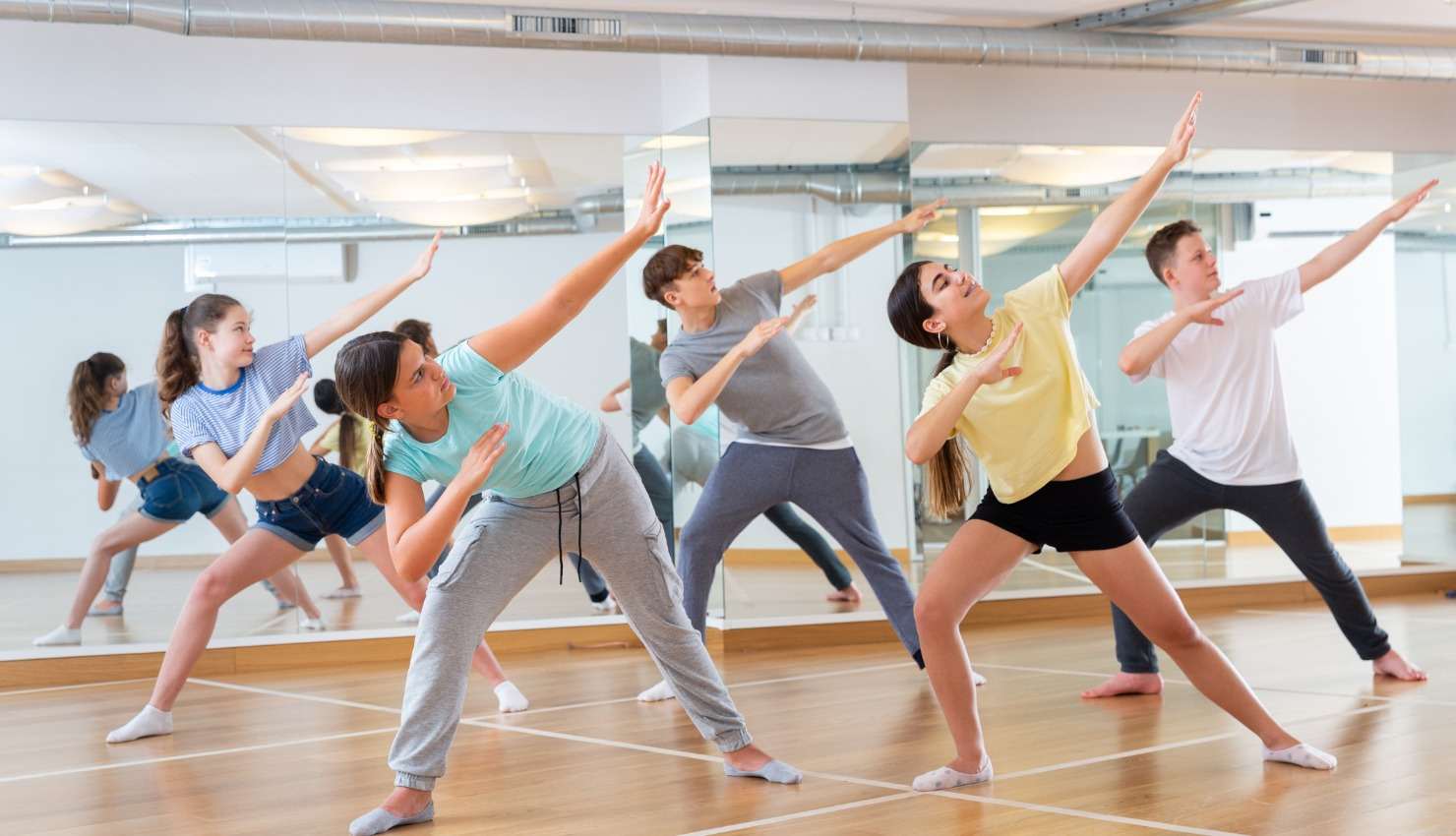
Dancing is not just an art form; its a physical discipline that demands strength, flexibility, and endurance. However, the intense physical activity and repetitive movements involved in dance can often lead to injuries, some of which can be severe and career-threatening. Physiotherapy plays a vital role in helping dancers maintain their health and prevent injury. It offers essential techniques that can keep your dance career injury-free, ensuring longevity and peak performance.
Stretching, Strengthening, and Recovery: How Physiotherapy Enhances Dance
Dance involves movements that require both agility and power. For dancers to perform at their best, they need to maintain a delicate balance between flexibility and strength. Physiotherapists specialize in exercises that enhance these key elements of dance.
Stretching: Flexibility is crucial for dancers. Tight muscles can lead to strains, pulls, and other injuries. Physiotherapists can design a stretching program tailored to the dancers needs, helping improve range of motion and prevent injuries related to tight muscles.
Strengthening: Strength is just as important as flexibility. Weak muscles can cause imbalances that may lead to overcompensation and strain. A physiotherapist can target specific muscle groups to build strength, particularly in areas that dancers often neglect, like the core and stabilizing muscles of the hips and knees.
Recovery: After long hours of rehearsal or performance, dancers need effective recovery strategies. Physiotherapists can employ techniques such as deep tissue massage, ice and heat therapy, and myofascial release to reduce muscle soreness, improve circulation, and speed up recovery time.
How Physiotherapy Can Help Prevent Foot and Ankle Injuries in Dance
The foot and ankle are arguably the most important body parts for dancers, supporting the entire body weight and enabling a vast range of intricate movements. However, the high-impact nature of dance, especially styles like ballet or contemporary, makes the feet and ankles highly susceptible to injury. Physiotherapists play a critical role in preventing these injuries.
Foot and Ankle Stability: Dancers often experience sprains, strains, and even fractures in the feet and ankles. Physiotherapists can help by strengthening the muscles surrounding these areas, improving joint stability, and providing customized orthotics if needed.
Proprioception Training: Proprioception refers to the body’s ability to sense its position in space. Physiotherapists can improve proprioception through targeted exercises, helping dancers maintain better control over their movements and reduce the risk of injuries like ankle sprains.
Alignment and Posture: Poor alignment can put undue stress on the feet and ankles. Physiotherapists assess a dancers posture and alignment to ensure that weight distribution is even and that no particular area is under excessive strain, reducing the likelihood of injuries.
The Connection Between Physiotherapy and Injury Prevention in Dance
Injury prevention is at the heart of physiotherapy, and this is especially true for dancers who rely on their bodies to perform at a high level. Physiotherapists work closely with dancers to identify potential risk factors and develop strategies to prevent injuries before they occur.
Biomechanical Analysis: Physiotherapists use advanced techniques like gait analysis to examine how a dancer moves. This allows them to spot any abnormalities or inefficiencies that could lead to injury. Correcting these issues early can prevent long-term damage.
Load Management: Dancers often train intensely, putting a significant load on their muscles, joints, and bones. Physiotherapists educate dancers on how to manage their training loads properly, balancing high-intensity periods with rest and recovery to avoid overuse injuries.
Custom Prevention Plans: Physiotherapists create individualized injury prevention plans that address a dancers specific needs, whether it’s strengthening weak areas, improving flexibility, or avoiding repetitive stress injuries. These customized plans ensure that each dancer receives the attention they need to stay healthy.
Why Physiotherapy Is Essential for Dancers Performance and Recovery
Physiotherapy isnt just about injury prevention. It is also crucial for enhancing performance and ensuring proper recovery after strenuous dance sessions.
Injury Rehabilitation: When injuries do occur, physiotherapy offers critical rehabilitation support. Whether its a muscle strain or joint issue, a physiotherapist can design a recovery program that ensures a safe return to dancing and reduces the chances of re-injury.
Pain Management: Chronic pain can be a persistent issue for dancers. Physiotherapists use various pain management techniques such as dry needling, manual therapy, and soft tissue mobilization to help reduce discomfort and keep dancers moving at their best.
Mental Well-Being: Physical pain can also affect a dancers mental health, leading to stress or anxiety about performance. Physiotherapists understand the mind-body connection and help manage not just physical rehabilitation but also the mental toll that injuries can take. This holistic approach allows dancers to return to their routines with confidence and reduced fear of re-injury.
How to Incorporate Physiotherapy Into Your Dance Training Routine
Integrating physiotherapy into your dance routine doesnt have to be a complicated process. In fact, it can be as simple as a few regular sessions with a physiotherapist who understands the specific demands of dance.
Regular Check-Ups: Just as dancers regularly work with choreographers and coaches, incorporating physiotherapy check-ups into your routine is vital. Regular physiotherapy sessions allow the physiotherapist to assess your progress, monitor for any emerging issues, and adjust your treatment plan accordingly.
Warm-Up and Cool-Down: Physiotherapists can guide dancers through the most effective warm-up and cool-down exercises. These sessions ensure that muscles are properly prepared for the strenuous activity of dancing and that recovery is optimized after class or performance.
Cross-Training: Many dancers neglect cross-training, but it can be essential for overall strength and injury prevention. Physiotherapists can introduce cross-training exercises that work on areas dancers dont always focus on, such as building strength in the upper body or improving posture through yoga or Pilates.
Conclusion
Incorporating physiotherapy into your dance career can be the key to maintaining long-term health, improving performance, and preventing injuries. From tailored stretching and strengthening exercises to recovery strategies and injury prevention techniques, physiotherapy is essential for dancers of all levels. By working with a physiotherapist, dancers can ensure their bodies remain injury-free, allowing them to dance at their best for years to come.