Stretching, Strengthening, and Recovery explores targeted strategies for recovery. Discover new paths to mobility, healing, and personalized care.

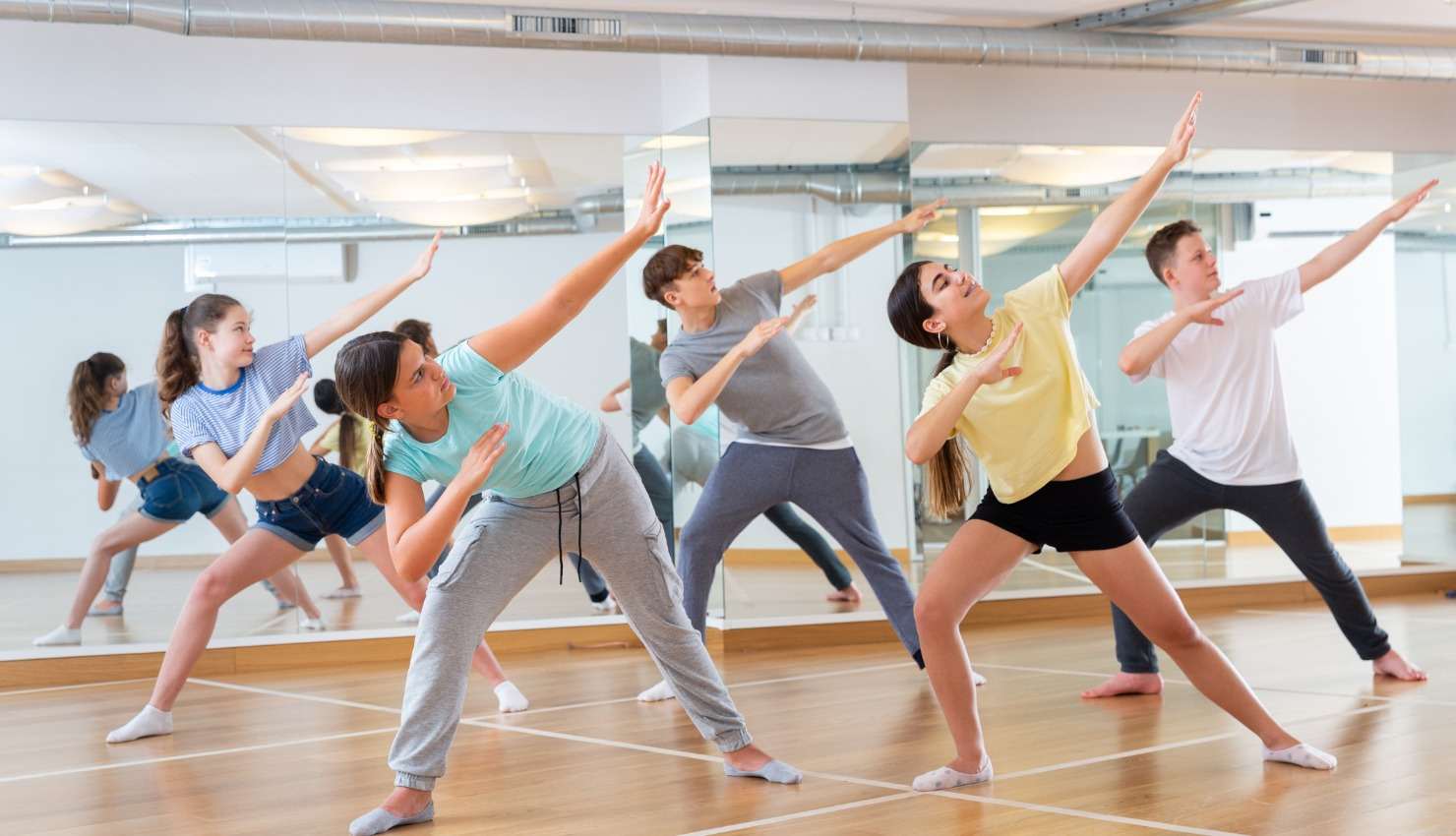
For dancers, the body is an instrument of expression, requiring a unique combination of strength, flexibility, and endurance. However, this constant demand on muscles, joints, and ligaments can take its toll over time, leading to overuse injuries or strains. Physiotherapy plays a pivotal role in helping dancers stay at the peak of their performance by focusing on stretching, strengthening, and recoverykey aspects that contribute to a dancer’s longevity in their craft.
The Importance of Stretching in Dance
Flexibility is one of the cornerstones of successful dance. Whether a dancer is performing a graceful ballet routine or executing a high-energy contemporary piece, flexibility allows for a full range of movement and prevents injury. However, many dancers tend to push their bodies to extremes, risking overstretching or causing muscle imbalances.
Physiotherapists help dancers develop a personalized stretching regimen to safely increase flexibility. Rather than relying on generic or static stretches, physiotherapists offer dynamic stretching exercises that activate the muscles while preparing them for the rigorous demands of dance. These types of stretches warm up the muscles, increase circulation, and decrease the risk of injury.
Incorporating flexibility work into a dancers routine also aids in joint mobility. For example, hip openers, hamstring stretches, and calf stretches can significantly reduce tightness and stiffness in areas that dancers often neglect.
Strengthening the Body for Dance Performance
While flexibility is essential, strength is equally vital for dancers. Strong muscles help maintain proper posture, improve control, and prevent injury during the complex and often strenuous movements in dance. Physiotherapists use specific strengthening exercises to address weak muscle groups, particularly in the core, legs, and stabilizing muscles around the hips and knees.
Core strength is crucial for a dancer to maintain balance and stability throughout their performance. Without it, a dancer is more prone to falls and muscle strain. Physiotherapists provide exercises like planks, bridges, and leg lifts to target the deep abdominal muscles that help support a dancers spine.
Additionally, strengthening the muscles in the lower body can prevent injuries to the knees, ankles, and feet, which are some of the most commonly affected areas for dancers. Physiotherapists employ exercises like lunges, squats, and step-ups to target the muscles around these joints, increasing their endurance and stability.
The Role of Recovery in Dance
After an intense dance rehearsal or performance, the body requires time to recover. Without proper recovery strategies, dancers are more likely to develop chronic pain, overuse injuries, or suffer from fatigue. Physiotherapy offers a range of techniques designed to enhance recovery and reduce muscle soreness after intense physical activity.
Myofascial Release: This technique targets tight muscle tissues and helps break up scar tissue, improving blood flow and flexibility. It is particularly beneficial for dancers who may experience tightness in areas like the shoulders, back, and calves.
Ice and Heat Therapy: Cold therapy can reduce inflammation and swelling, while heat therapy improves circulation and helps to relax tense muscles. Physiotherapists often recommend a combination of these therapies after long rehearsals or performances to manage pain and speed up recovery.
Manual Therapy: Physiotherapists use hands-on techniques to manipulate the muscles and joints, helping to release tension and alleviate pain. This could include techniques such as joint mobilization or deep tissue massage to help improve movement and relieve discomfort.
Rest and Active Recovery: In addition to hands-on therapies, physiotherapists emphasize the importance of rest and active recovery. Active recovery includes light exercises such as walking or swimming, which help to keep the blood flowing and reduce muscle stiffness without overexerting the body.
How Physiotherapy Enhances Dance Performance
The benefits of physiotherapy go beyond injury prevention and recovery. Physiotherapists can help dancers optimize their performance by improving posture, alignment, and coordination. Proper alignment ensures that a dancers weight is distributed evenly, reducing the strain on any single muscle group. It also improves a dancer’s efficiency, allowing them to move with greater ease and less fatigue.
Postural Alignment: Physiotherapists assess a dancers posture and use exercises to correct any imbalances. This improves the dancers overall alignment and reduces stress on the spine and other joints.
Proprioception Training: Proprioception refers to the ability to sense the position and movement of the body. Training this sense is particularly important for dancers, as it helps them maintain balance and control during complex movements. Physiotherapists use balance exercises and equipment like balance boards to improve proprioception and enhance coordination.
Joint Mobility and Range of Motion: Dancers often perform movements that require a wide range of motion, such as high kicks or deep pliés. Physiotherapists use targeted exercises and stretches to improve joint mobility, helping dancers achieve greater flexibility and range of motion.
Preventing Injuries Through Physiotherapy
Injury prevention is a primary focus of physiotherapy, especially for dancers who are at risk for conditions like sprains, strains, tendinitis, and stress fractures. Physiotherapists assess the dancers technique, posture, and muscle imbalances to identify areas of concern that could lead to injury. By addressing these issues early, physiotherapists can help prevent injuries from occurring in the first place.
Correcting Technique: Physiotherapists work with dancers to correct poor posture or improper movement patterns that could lead to overuse injuries. Whether its adjusting a dancers stance or improving their landing technique, physiotherapists ensure that each movement is performed correctly to minimize stress on the body.
Injury Screening: Regular injury screening is an essential part of a dancers routine. Physiotherapists can identify early signs of injury, such as muscle tightness or joint instability, and recommend the appropriate treatment to prevent the condition from worsening.
Conclusion
Physiotherapy plays an integral role in helping dancers perform at their best while preventing injuries and promoting recovery. By focusing on stretching, strengthening, and recovery, physiotherapists equip dancers with the tools they need to stay healthy and perform their best. Regular sessions with a physiotherapist not only enhance performance but also contribute to long-term career success by minimizing the risk of injury. For dancers looking to maintain peak performance and avoid injury, physiotherapy is an essential part of their training routine.