How to Incorporate Physiotherapy Into Your Dance Training Routine explores targeted strategies for recovery. Discover new paths to mobility, healing, and personalized care.

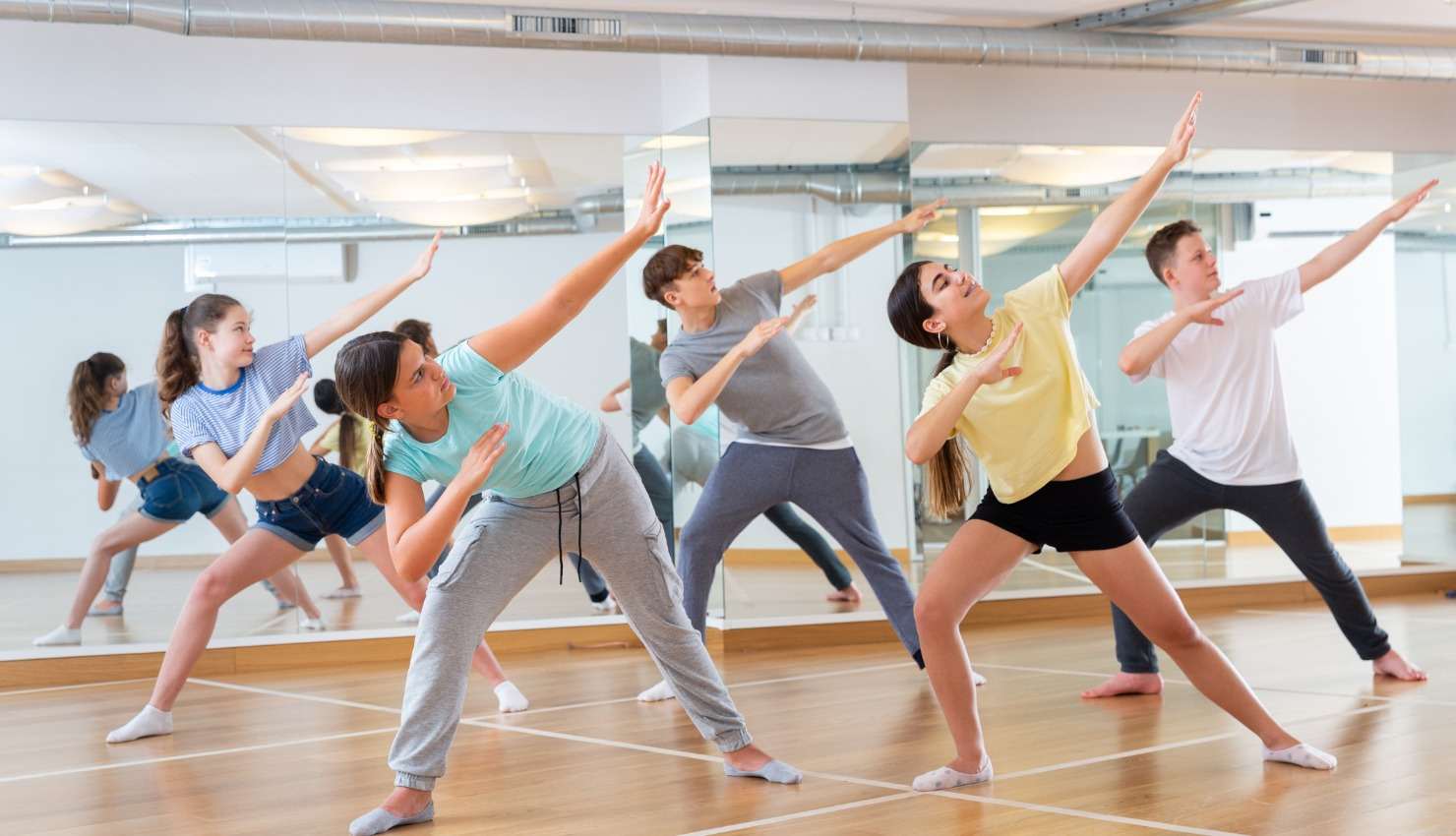
As a dancer, your body is your most important asset. To maintain peak performance and ensure longevity in your career, it’s essential to take care of it. One of the best ways to do this is by incorporating physiotherapy into your training routine. Physiotherapy not only helps with injury prevention but also enhances flexibility, strength, and overall performance. This blog will explore how to integrate physiotherapy into your dance routine, providing you with the tools to maintain a healthy, injury-free body throughout your career.
The Role of Physiotherapy in Dance Training
Physiotherapy is a branch of healthcare that focuses on diagnosing, treating, and preventing physical injuries through physical movements, exercises, and manual therapies. For dancers, physiotherapists assess movement patterns, identify muscle imbalances, and design tailored treatment plans to enhance performance while preventing injuries.
Incorporating physiotherapy into your dance training routine helps achieve optimal flexibility, strength, and coordination while minimizing the risk of injuries. Physiotherapists can offer targeted exercises to correct poor posture or technique and provide tools to manage the physical demands of dance. Heres how you can start integrating physiotherapy into your routine.
1. Start with a Physiotherapy Assessment
Before diving into a new routine, the first step is to undergo a comprehensive physiotherapy assessment. During this assessment, the physiotherapist will evaluate your movement patterns, posture, flexibility, strength, and any potential risks for injury. The assessment will provide insight into any muscle imbalances or areas of weakness that need attention.
Once the assessment is complete, the physiotherapist will design a personalized treatment plan. This plan will focus on addressing your specific needs and can include exercises for flexibility, strength, injury prevention, or recovery. This tailored approach is important because every dancer has unique physical demands based on their style, body type, and experience.
2. Incorporate Regular Physiotherapy Sessions
A key component of integrating physiotherapy into your dance training routine is scheduling regular physiotherapy sessions. These sessions will allow your physiotherapist to track your progress, make adjustments to your treatment plan, and ensure that youre maintaining your physical health.
Regular physiotherapy appointments are particularly useful if you’re recovering from an injury or if youre prone to certain conditions, such as chronic muscle strain, joint pain, or tendinitis. Sessions can be scheduled once or twice a week, depending on your level of training and the demands of your dance performances. The physiotherapist will guide you through exercises to improve your strength, flexibility, and overall technique.
3. Warm-Up and Cool-Down Routines
An essential part of any dancer’s routine is warming up and cooling down. Physiotherapists can provide expert guidance on how to properly warm up and cool down before and after dance practice. These routines help reduce the risk of injury by preparing the body for physical activity and ensuring a smoother recovery afterward.
Warm-Up: A proper warm-up increases blood flow to the muscles, raises the bodys temperature, and prepares the joints for movement. Physiotherapists recommend dynamic stretches and movements that engage the muscles used in dance. These might include leg swings, hip openers, shoulder rotations, and low-intensity aerobic exercises to get the heart rate up.
Cool-Down: Cooling down helps the muscles relax, reduces the build-up of lactic acid, and prevents muscle tightness and stiffness. Physiotherapists often incorporate static stretches and breathing exercises into the cool-down to help lower the heart rate and relax the body. Stretches should focus on major muscle groups such as the hamstrings, calves, back, and shoulders, promoting flexibility and aiding in muscle recovery.
4. Incorporate Strengthening Exercises
Strength is essential for maintaining good posture, balance, and control during dance. Physiotherapists design specific strengthening exercises to target weak or imbalanced muscle groups. For dancers, strengthening the core, lower body, and stabilizing muscles is key to improving technique and preventing injuries.
Some examples of exercises that physiotherapists may incorporate into your routine include:
Core Strengthening: Exercises like planks, leg raises, and bridges are excellent for building core strength. A strong core helps maintain proper alignment and control in movements like lifts and jumps.
Lower Body Strength: Squats, lunges, and calf raises help to build strength in the legs, glutes, and ankles, which are essential for balance, jumps, and powerful movement in dance.
Stabilization Exercises: Balancing exercises on one leg, using a balance board or stability ball, can improve coordination and proprioception, helping prevent ankle sprains and other joint injuries.
By incorporating these exercises into your weekly routine, you can develop better body control and prevent muscle imbalances that could lead to injury.
5. Add Flexibility Training
Flexibility is a key component of any dancers skill set. Physiotherapists can guide you in developing a flexibility training plan that includes dynamic and static stretching routines. Stretching helps maintain and improve your range of motion, which is crucial for achieving the full potential of your dance movements.
Dynamic Stretching: Physiotherapists often include dynamic stretches in the warm-up phase, such as leg swings or arm circles. These stretches improve mobility and prepare the body for the demands of dance.
Static Stretching: After dancing, static stretches are used to lengthen the muscles and help the body cool down. Stretching the hamstrings, quadriceps, calves, hip flexors, and back can prevent stiffness and increase flexibility.
Incorporating regular flexibility training into your dance routine ensures that you remain agile and able to execute complex moves without restriction.
6. Listen to Your Body and Communicate with Your Physiotherapist
A significant part of preventing injuries is learning to listen to your body. If you experience pain, tightness, or discomfort during dance, its essential to take a break and consult your physiotherapist. Overtraining and pushing through pain can result in long-term damage that can sideline you for months.
Make sure to communicate with your physiotherapist about any new aches or pains, and they will adjust your training plan accordingly. They can recommend modifications to your exercises, suggest alternative movements, or provide targeted treatments like manual therapy or myofascial release to address the specific issue.
7. Recovery and Rest Days
While training is important, recovery is just as essential for a dancers success. Physiotherapists encourage dancers to take rest days to allow the body to recover, especially after intense rehearsals or performances. Recovery strategies like foam rolling, stretching, and massage therapy can help relieve muscle tightness and prevent injury. A balanced routine of work, rest, and recovery will keep you at your best.
Conclusion
Integrating physiotherapy into your dance training routine is one of the most effective ways to enhance your performance, prevent injuries, and recover efficiently. By scheduling regular physiotherapy sessions, incorporating strength and flexibility exercises, and practicing proper warm-up and cool-down routines, you are setting yourself up for a long, successful dance career. Dont wait for an injury to occurstart taking proactive steps to maintain a healthy, injury-free body today. With the guidance of a physiotherapist, youll be able to perform at your best, reduce your risk of injury, and enjoy a fulfilling career as a dancer.