Acupuncture for Joint Health explores targeted strategies for recovery. Discover new paths to mobility, healing, and personalized care.

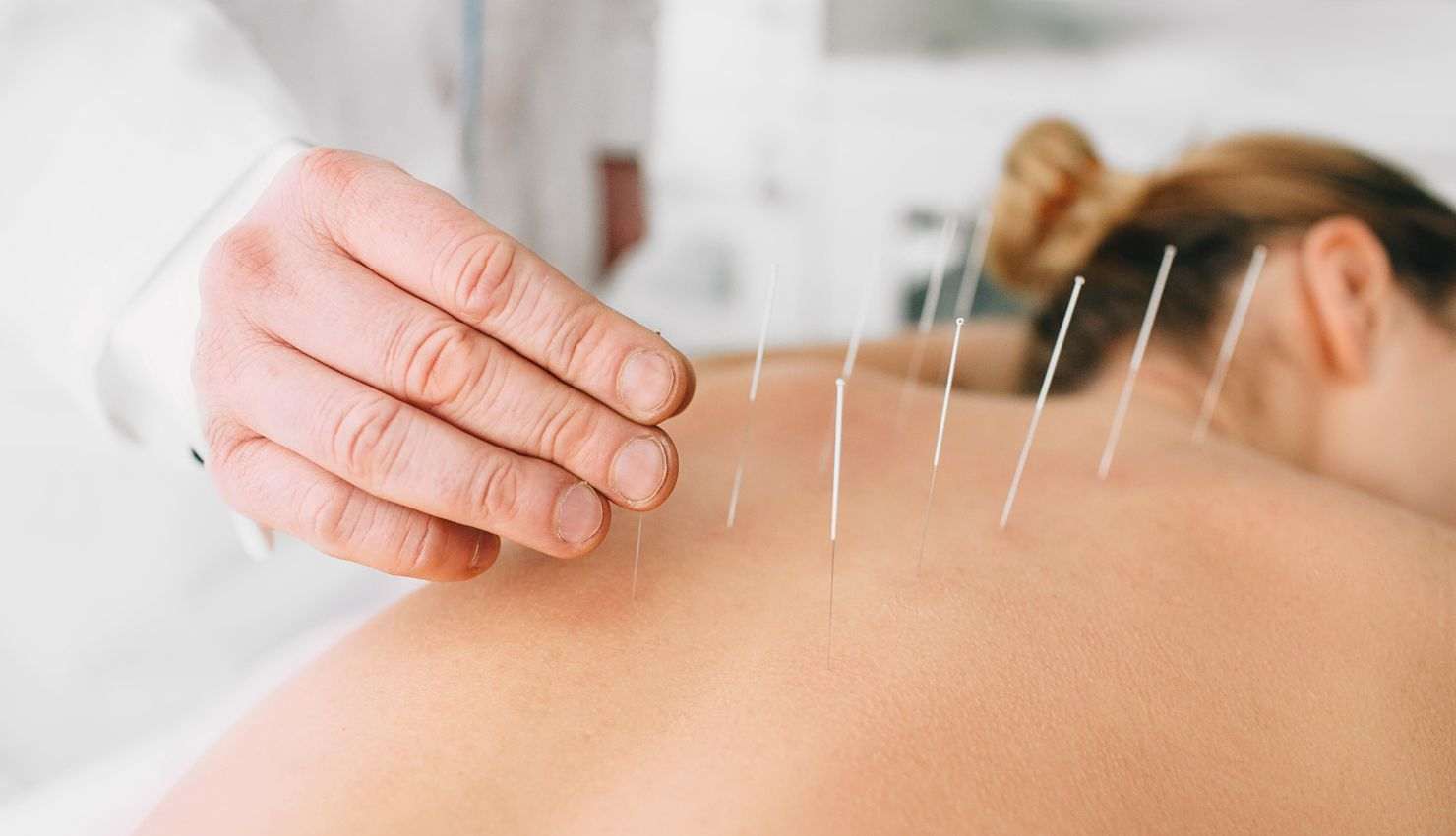
Joint pain and stiffness are common concerns that can disrupt your ability to move, exercise, and enjoy everyday activities. Whether caused by age, injury, arthritis, or inflammation, joint issues affect mobility and can lead to chronic discomfort. While conventional medicine offers painkillers, steroids, and surgery as solutions, many people are turning to acupuncture as a natural, holistic way to support joint health and maintain an active lifestyle.
Acupuncture, a core practice within Traditional Chinese Medicine (TCM), focuses on restoring the bodys internal balance by stimulating specific points along energy pathways known as meridians. When applied to joint conditions, acupuncture improves circulation, reduces inflammation, and activates the bodys self-healing mechanismsleading to reduced pain, improved flexibility, and enhanced movement.
Understanding Joint Health from a TCM Perspective
In Traditional Chinese Medicine, healthy joints depend on the smooth flow of Qi (vital energy) and blood through the meridians that nourish tendons, ligaments, muscles, and bones. Joint pain, swelling, or stiffness is seen as a blockage or deficiency in this flow, often due to:
Qi and blood stagnation
Dampness or cold accumulation in the joints
Liver or Kidney organ imbalances
Injury or overuse of specific areas
Acupuncture addresses joint problems by unblocking stagnant energy, nourishing the affected tissues, and restoring harmony within the bodys systems. Rather than just masking symptoms, it targets the root energetic causes of joint dysfunction.
How Acupuncture Helps Your Joints Stay Healthy and Flexible
1. Reduces Inflammation
Many joint issues, including osteoarthritis and rheumatoid arthritis, are driven by chronic inflammation. Acupuncture helps lower levels of inflammatory markers such as cytokines and CRP, allowing swollen joints to calm and restore their natural range of motion.
2. Improves Circulation
Needle stimulation at specific points enhances local and systemic blood flow. This brings oxygen and nutrients to damaged joints and helps flush out waste byproducts like lactic acid that can contribute to stiffness and soreness.
3. Stimulates the Bodys Natural Painkillers
Acupuncture promotes the release of endorphins, serotonin, and other neurochemicals that naturally relieve pain and improve mood. For joint conditions that cause persistent discomfort, this offers significant relief without pharmaceutical side effects.
4. Relaxes Surrounding Muscles and Tendons
Tight or imbalanced muscles around a joint can increase stress and reduce mobility. Acupuncture helps release muscle tension, improving joint alignment and making movement easier and more fluid.
5. Promotes Tissue Repair
By improving energy flow and circulation, acupuncture supports the regeneration of connective tissue, including ligaments and cartilage. This is particularly beneficial for joint injuries and age-related wear-and-tear.
Common Joint Conditions Treated with Acupuncture
Acupuncture is effective for managing a wide range of joint-related issues, including:
Osteoarthritis Especially in the knees, hips, and hands
Rheumatoid arthritis To reduce inflammation and flare-ups
Tendonitis Including tennis elbow, Achilles tendonitis, and shoulder pain
Bursitis In the hips, knees, or shoulders
Post-injury stiffness or swelling From sprains, dislocations, or fractures
Chronic joint pain From aging, overuse, or repetitive strain
Post-surgical recovery To reduce scar tissue and regain movement
Whether your joint issues are acute or chronic, acupuncture offers a drug-free approach to restoring strength, comfort, and functionality.
Key Acupuncture Points for Joint Health
Each acupuncture treatment is personalized, but certain points are frequently used to improve joint health and mobility:
Stomach 36 (Zusanli) Strengthens muscles and reduces knee inflammation
Gallbladder 34 (Yanglingquan) Relieves tendon and ligament pain
Large Intestine 4 (Hegu) Clears stagnation and relieves general body pain
Kidney 3 (Taixi) Nourishes joints through Kidney essence support
Bladder 60 (Kunlun) Eases pain and stiffness in lower limbs and spine
Local points around affected joints To relieve tightness and improve range of motion
Acupuncture may also be combined with electroacupuncture, where mild electrical pulses are sent through the needles to intensify the therapeutic effect on joint tissues.
What to Expect During Treatment
Your practitioner will begin with a detailed consultation, asking about your joint symptoms, activity levels, health history, and lifestyle. They may also check your pulse and examine your tonguetwo diagnostic tools in TCM that reflect internal balance.
Youll lie comfortably while hair-thin needles are inserted at selected points. Most people feel little to no discomfort during insertion and experience a sensation of warmth, tingling, or heaviness at the needle sitesigns that Qi is being activated.
A typical session lasts 30 to 60 minutes, and patients often feel immediate relief. However, consistent treatment is key, especially for chronic or degenerative conditions. Many people benefit from a course of 6 to 12 sessions, followed by maintenance treatments once or twice a month.
Enhancing Joint Health Between Sessions
To maintain the benefits of acupuncture and support joint health at home, try the following:
Stay active with low-impact exercises like walking, swimming, or yoga
Stretch regularly to maintain flexibility and muscle balance
Use heat therapy to relax stiff joints and improve circulation
Eat anti-inflammatory foods like leafy greens, berries, turmeric, and omega-3s
Avoid damp or cold exposure, which may aggravate joint stiffness in TCM
Practice self-acupressure on points like Stomach 36 or Gallbladder 34 to manage minor discomfort
These habits help reinforce the energy flow established through acupuncture and protect your joints in the long term.
The Whole-Body Benefits of Acupuncture
One of the key advantages of acupuncture is that it doesnt just treat isolated pain. It improves your overall energetic balance, which has ripple effects throughout your body:
Better sleep, which aids recovery
Reduced stress, which can trigger pain flares
Improved digestion, helping the body absorb nutrients needed for joint repair
Greater emotional well-being, which supports motivation to stay active
With acupuncture, healing is not just physicalits holistic, integrative, and deeply restorative.
Final Thoughts
Staying active and pain-free isnt just about treating jointsits about maintaining your bodys internal harmony and natural healing rhythm. Acupuncture offers a powerful, side-effect-free way to support joint health, reduce pain, improve mobility, and enhance your quality of life.
Whether youre managing chronic arthritis, recovering from injury, or simply seeking to maintain mobility as you age, acupuncture can be a vital part of your wellness routine. With each session, youll take a step closer to moving with comfort, ease, and confidencenaturally and sustainably.