Muscle strains are commonwhether youre an athlete, a weekend gardener, or someone who simply moved the wrong way at the wrong time. That sharp pull, lingering soreness, or tightness that just wont let go can interfere with daily life and slow your recovery process.

Muscle strains are commonwhether youre an athlete, a weekend gardener, or someone who simply moved the wrong way at the wrong time. That sharp pull, lingering soreness, or tightness that just wont let go can interfere with daily life and slow your recovery process.
While physiotherapy is the go-to for strengthening and rehabilitating strained muscles, many people are discovering the added benefit of incorporating acupuncture into their healing plan. Its gentle, effective, and offers a powerful complement to your physical therapy routine.
Lets explore how acupuncture helps muscle strains heal faster, feel better, and recover more completely.
?? What Exactly Is a Muscle Strain?
A muscle strain happens when muscle fibers are overstretched or torn. It can be mild (just a little tenderness) or severe (full tear requiring longer rehab). Most strains occur in the:
Hamstrings
Calves
Lower back
Neck
Shoulders
Symptoms typically include pain, swelling, stiffness, reduced strength, and limited movementeverything that makes physiotherapy a bit more challenging.
Thats where acupuncture can help smooth the recovery path.
?? How Acupuncture Supports Muscle Strain Recovery
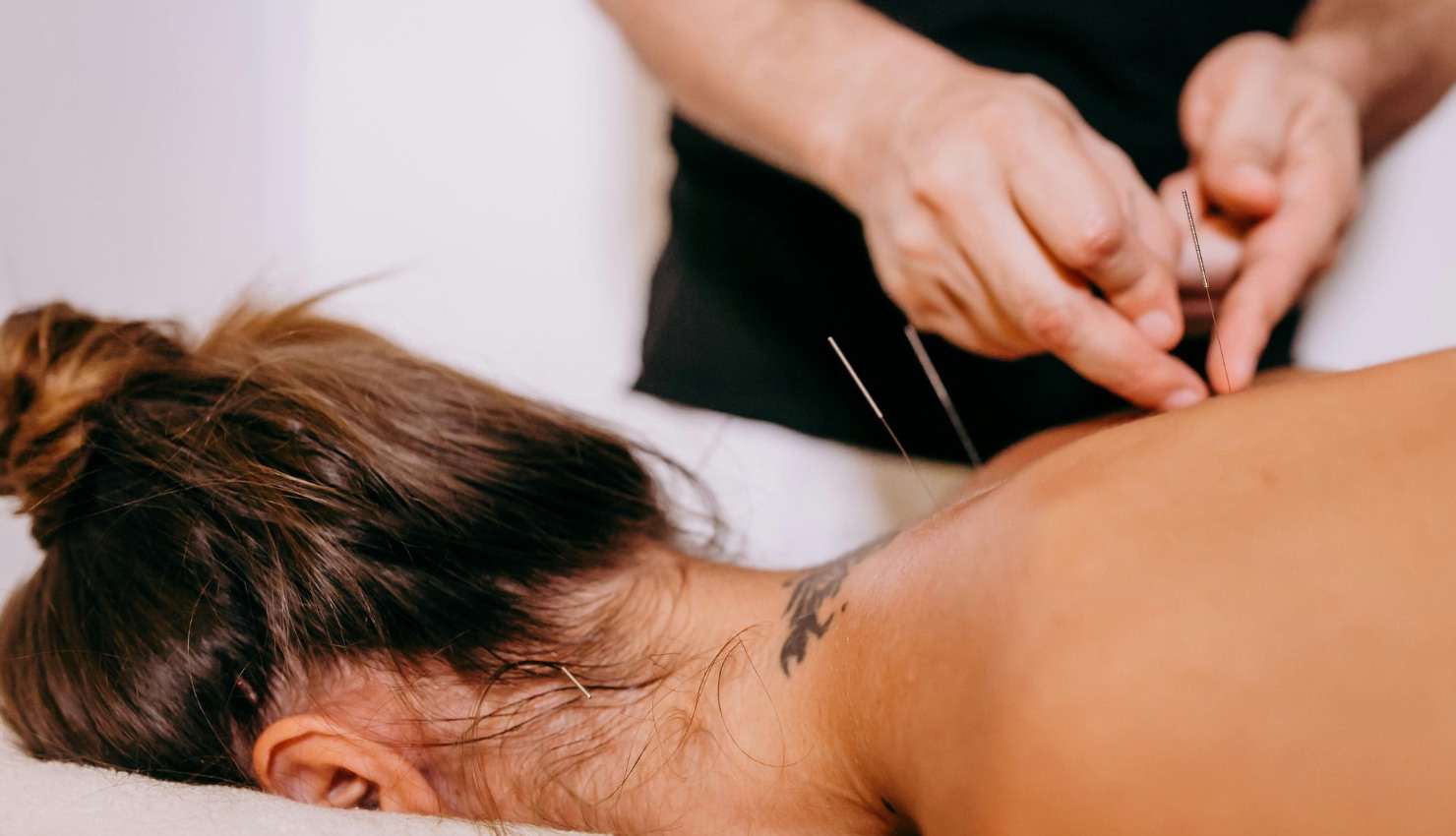
Acupuncture involves the insertion of fine, sterile needles into specific points on the body to stimulate healing. It may sound simple, but the results can be profoundespecially when muscles are tight, inflamed, or slow to bounce back.
Heres how it works:
?? 1. Reduces Inflammation and Swelling
After a muscle strain, inflammation is the bodys natural first responsebut too much of it can lead to stiffness, pain, and slower recovery. Acupuncture helps modulate this process, reducing swelling and promoting faster tissue repair.
?? 2. Promotes Local Blood Flow
Needling around the injured muscle increases microcirculation in the area. More blood flow means:
More oxygen and nutrients delivered to the tissue
Faster healing
Better waste removal (like lactic acid buildup)
This also helps flush out bruising and muscle tightness more quickly.
?? 3. Relieves PainNaturally
Acupuncture activates your bodys pain-control system, triggering the release of endorphins and serotoninyour built-in pain relievers. This reduces the need for medication and makes your physio sessions more comfortable.
?? 4. Releases Muscle Tension and Trigger Points
Strained muscles often develop knots or areas of tension that resist stretching or movement. Acupuncture helps release myofascial trigger points, making muscles feel looser and more responsive to physiotherapy exercises.
?? 5. Calms the Nervous System
Injuries can put your nervous system on high alert, leading to tension, guarded movement, and even disrupted sleep. Acupuncture calms the fight-or-flight response and shifts your body into rest-and-repair modeexactly where it needs to be to heal.
????? Acupuncture + Physiotherapy = Better, Faster Recovery
Think of it this way:
Physiotherapy restores structure: strength, flexibility, alignment.
Acupuncture restores function: circulation, pain control, internal balance.
Together, they work holistically to get you back on your feet fasterwith fewer setbacks and more comfort along the way.
?? When to Add Acupuncture to Your Recovery Plan
Acupuncture is especially helpful for:
Acute muscle strains (once initial swelling is under control)
Chronic muscle tightness or overuse injuries
Recurrent strains that havent fully healed
Post-rehab maintenance to prevent re-injury
Whether you’re just starting rehab or feel like you’ve hit a plateau, acupuncture can help accelerate progress.
?? What to Expect in a Session
A licensed acupuncturist will assess your injury and pain pattern
Fine needles will be placed around the strained muscle and possibly in distal points (like hands, feet, or ears) to support healing
Sessions last 2040 minutes and are usually deeply relaxing
You may notice reduced pain and better movement after the first few treatments
? Final Thoughts: A Gentle Boost to Muscle Recovery
Muscle strains dont just need stretching and strengtheningthey need support from every angle. Acupuncture offers a natural, time-tested way to reduce pain, improve circulation, and create the optimal conditions for healing.
Ready to Add Acupuncture to Your Recovery Plan?
Talk to your physiotherapist or a licensed acupuncturist about creating a combined treatment approach. Because recovery is more than getting back to normalits about coming back stronger, smarter, and more balanced than before.