Acupuncture for Postpartum Recovery and Hormonal Rebalancing explores targeted strategies for recovery. Discover new paths to mobility, healing, and personalized care.

The postpartum period, while a time of joy and new beginnings, can also be incredibly challenging for many women. After childbirth, a woman’s body undergoes significant physical, emotional, and hormonal changes as it begins to recover from pregnancy and delivery. This period can bring on issues such as hormonal imbalances, fatigue, depression, and physical discomfort. While many turn to traditional methods of recovery, acupuncture offers a natural, holistic approach to help women restore balance, improve recovery time, and support overall well-being after childbirth.
In this blog, well explore how acupuncture can be an effective treatment option for postpartum recovery, helping women manage hormonal rebalancing, physical discomfort, and emotional health.
What Is Acupuncture?
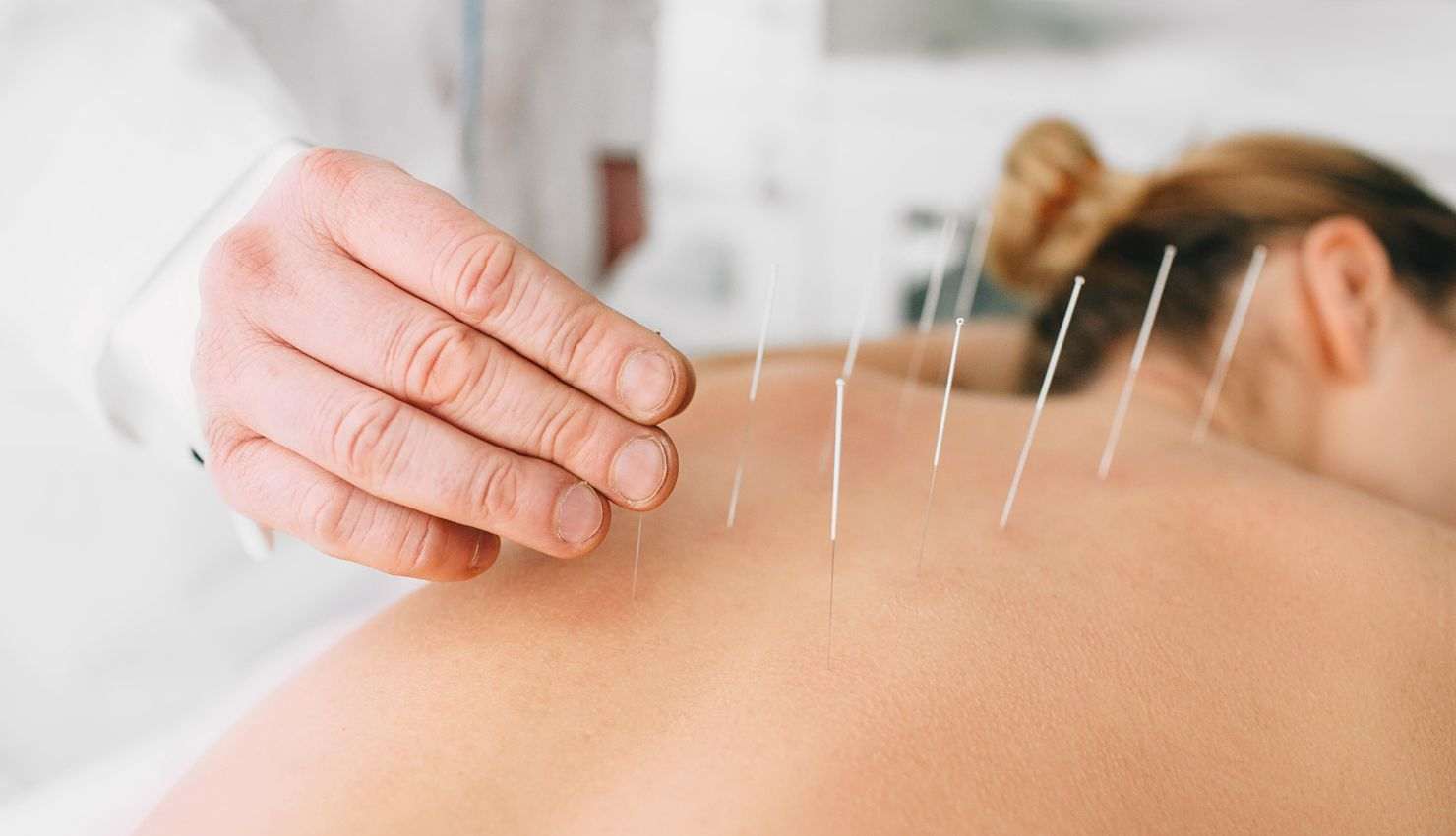
Acupuncture is a practice rooted in Traditional Chinese Medicine (TCM), where fine, sterile needles are inserted into specific acupoints along the bodys meridians (energy pathways). These acupoints help restore the flow of Qi (energy) and encourage the bodys natural healing processes. In the context of postpartum recovery, acupuncture works by addressing the underlying causes of physical and emotional imbalances, promoting the bodys healing process, and supporting hormonal regulation.
How Acupuncture Supports Postpartum Recovery
The postpartum period can bring a range of challenges, including fatigue, physical discomfort, and emotional stress. Acupuncture addresses these concerns by providing a holistic approach to recovery. Here are some of the ways acupuncture can benefit new mothers during this crucial time:
1. Hormonal Rebalancing
One of the most significant challenges women face after childbirth is hormonal imbalance. During pregnancy, the body produces elevated levels of hormones such as estrogen and progesterone to support the developing fetus. After childbirth, these hormone levels must gradually return to pre-pregnancy levels, but this process can take time. Hormonal fluctuations can contribute to mood swings, fatigue, and conditions like postpartum depression or anxiety.
Acupuncture can help regulate the bodys hormones by stimulating specific points to restore balance. By promoting the proper flow of Qi, acupuncture can enhance the bodys ability to rebalance hormonal levels more quickly and smoothly. For example, acupuncture can help regulate levels of prolactin (the hormone responsible for milk production) and support the production of estrogen and progesterone, reducing the likelihood of postpartum mood swings and other hormonal symptoms.
2. Energy Boost and Combatting Fatigue
New mothers often struggle with fatigue as they adjust to the demands of caring for a newborn. Lack of sleep and the physical demands of childcare can drain a womans energy reserves, leaving her feeling depleted. Acupuncture helps stimulate energy flow, known as Qi, throughout the body. By promoting better circulation and enhancing the bodys energy reserves, acupuncture can help combat fatigue and improve overall vitality. Women who receive acupuncture treatments during the postpartum period often report feeling more energized, mentally alert, and physically revitalized.
3. Pain Relief and Physical Healing
The body undergoes significant physical changes during pregnancy and childbirth, and many women experience lingering discomfort after delivery. Common issues include back pain, pelvic pain, abdominal discomfort, and muscle tension. Acupuncture is known for its ability to provide pain relief by targeting specific acupoints to reduce inflammation, increase circulation, and promote the bodys natural healing processes.
Acupuncture can be particularly beneficial for women recovering from a cesarean section or vaginal delivery. By stimulating key acupoints, acupuncture helps promote faster recovery, reduce swelling, and alleviate postpartum pain, including muscle aches and joint stiffness. It also aids in improving mobility and flexibility, which can be compromised after childbirth.
4. Managing Postpartum Depression and Anxiety
Postpartum depression (PPD) affects many women after childbirth and can range from mild to severe. Symptoms include feelings of sadness, anxiety, irritability, and loss of interest in daily activities. In Traditional Chinese Medicine, PPD is often attributed to an imbalance in the bodys Qi, blood, and emotions.
Acupuncture helps to restore balance to the mind and body, promoting emotional healing and reducing symptoms of depression and anxiety. By stimulating points that encourage the release of endorphins and neurotransmitters like serotonin and dopamine, acupuncture can help alleviate the feelings of sadness and anxiety associated with PPD. Many women who receive acupuncture treatments during the postpartum period report improvements in mood, increased emotional stability, and a greater sense of well-being.
5. Supporting Breastfeeding
Breastfeeding is another important aspect of postpartum recovery, and acupuncture can support mothers who are breastfeeding by improving milk production and reducing breastfeeding-related discomfort. Acupuncture can help promote the flow of lactation by stimulating points related to the breasts and the flow of Qi. It can also reduce common breastfeeding issues such as nipple pain, engorgement, and blocked milk ducts.
Additionally, acupuncture has been shown to help regulate the body’s stress levels, which is particularly important for breastfeeding mothers. High stress can interfere with milk production, and acupuncture helps to restore calm and promote a healthy, relaxing environment for breastfeeding.
When to Seek Acupuncture for Postpartum Recovery
Acupuncture can be a valuable tool during the postpartum period, but it is essential to work with a licensed acupuncturist who has experience in treating postpartum women. Ideally, acupuncture treatments can begin as early as a few weeks after childbirth, once any immediate physical healing has occurred. For those who have had a cesarean section, it is important to wait until the incision has fully healed before starting acupuncture.
Your acupuncturist will assess your specific symptoms and create a personalized treatment plan to address your unique needs. The treatments may include a combination of acupuncture, moxibustion (heat therapy), and herbal remedies to support your overall health and recovery.
Benefits of Acupuncture for Postpartum Recovery
Faster recovery from childbirth: Acupuncture promotes healing and recovery after delivery, addressing both physical discomfort and emotional well-being.
Hormonal balance: Acupuncture helps regulate hormones during the postpartum period, reducing symptoms such as mood swings, hot flashes, and fatigue.
Pain relief: Acupuncture helps reduce physical discomfort, including back pain, pelvic pain, and muscle tension.
Emotional support: Acupuncture helps alleviate symptoms of postpartum depression and anxiety, promoting emotional stability and mental well-being.
Enhanced breastfeeding: Acupuncture supports milk production and helps resolve breastfeeding-related issues.
Conclusion
Acupuncture offers a safe, natural, and effective approach to postpartum recovery and hormonal rebalancing. With its ability to alleviate physical discomfort, support emotional healing, and promote hormonal regulation, acupuncture can help new mothers navigate the challenges of the postpartum period with greater ease and resilience.
If you’re a new mother looking to support your postpartum recovery, consider consulting with a licensed acupuncturist who specializes in postpartum care. Acupuncture can be a powerful ally in your recovery journey, helping you feel more balanced, energized, and at ease during this important time.