Acupuncture for Recovery explores targeted strategies for recovery. Discover new paths to mobility, healing, and personalized care.

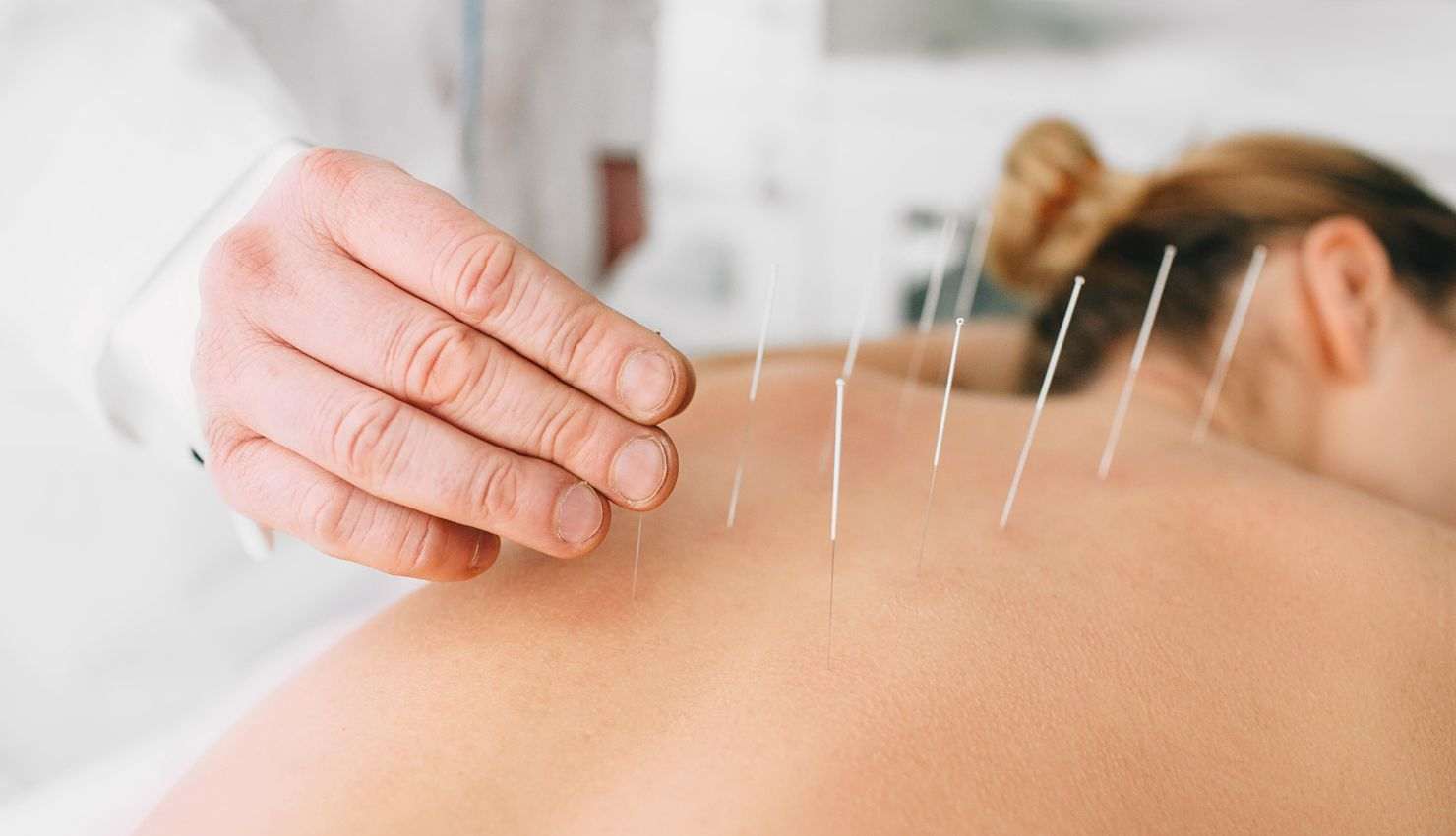
Healing from injury, illness, or surgery can be a slow, frustrating journey. While rest and rehabilitation are essential, recovery often requires more than just time. Many people struggle with lingering pain, stiffness, fatigue, or emotional distress that interfere with full recovery. This is where acupuncture can play a transformative rolehelping the body heal faster, more completely, and with less discomfort.
Rooted in Traditional Chinese Medicine (TCM), acupuncture supports the healing process by restoring balance, reducing inflammation, improving circulation, and enhancing the bodys natural repair mechanisms. Whether youre recovering from a physical injury, managing a chronic condition, or rebuilding strength after illness, acupuncture offers a holistic path to recovery that aligns with your bodys natural rhythms.
Healing Through Energy: The Foundation of Acupuncture
In TCM, health is defined by the smooth, balanced flow of Qi (life force energy) through meridian pathways in the body. When Qi is disrupteddue to trauma, surgery, stress, or illnesspain, stiffness, inflammation, and dysfunction arise. Recovery is not just about treating symptoms; its about restoring the flow of energy so the body can heal itself.
Acupuncture stimulates specific points on these meridians to:
Clear blockages
Activate immune responses
Enhance blood and lymphatic flow
Rebuild strength in weakened organ systems
Calm the nervous system for better rest and repair
By addressing both the root cause and the effects of imbalance, acupuncture encourages healing on multiple levels.
How Acupuncture Accelerates Recovery
Heres how acupuncture supports recovery in practical, physiological terms:
1. Improves Circulation
Acupuncture increases blood flow to injured or inflamed areas, delivering oxygen, nutrients, and white blood cells that are essential for tissue repair and regeneration.
2. Reduces Inflammation
Chronic inflammation can delay healing. Acupuncture has been shown to regulate inflammatory responses, easing swelling and pain while supporting healthy tissue recovery.
3. Relieves Pain Naturally
Instead of relying on painkillers, acupuncture activates the bodys natural pain-relief systems, including the release of endorphins and modulation of pain signals in the brain and spinal cord.
4. Promotes Nerve Healing
Injuries affecting the nervous systemsuch as whiplash, neuropathy, or post-surgical nerve painrespond well to acupuncture. Stimulating certain points encourages nerve repair and restores sensation and movement.
5. Balances Hormones and Immune Function
Recovery is regulated by hormones and immune responses. Acupuncture helps normalize these systems, supporting faster recovery from illness, fatigue, and stress-related burnout.
Conditions That Benefit from Acupuncture During Recovery
Acupuncture can support healing across a wide range of conditions:
Post-surgical recovery (joint replacement, spinal surgery, abdominal surgery)
Soft tissue injuries (sprains, strains, tendonitis)
Fractures and joint pain
Neurological recovery (nerve injuries, stroke, Bells palsy)
Chronic illness recovery (long COVID, autoimmune flares, fibromyalgia)
Fatigue and weakness after illness or chemotherapy
Burnout or adrenal fatigue
Rehabilitation after sports injuries
Whether you’re recovering from a major event or working through everyday wear and tear, acupuncture can enhance the process.
What to Expect in a Recovery-Focused Session
Each treatment is tailored to your individual needs and recovery stage. Your acupuncturist will evaluate:
Current symptoms and pain levels
Areas of swelling or stiffness
Range of motion and physical limitations
Energy levels and sleep quality
Digestive and immune system status
Theyll use a combination of local points (near the site of injury or pain) and distal points (along associated meridians) to promote healing across the body.
Emotional and Mental Support During Recovery
Recovery is not just physicalits emotional. Frustration, fear, anxiety, or depression often accompany long-term healing. Acupuncture helps balance mood and support emotional well-being by:
Regulating stress hormones like cortisol
Calming the Heart and Liver meridians to reduce anxiety and irritability
Supporting Spleen energy to reduce worry and mental fatigue
Helping restore sleep and internal calm
Clients often feel more emotionally stable, hopeful, and relaxed after treatmentcritical components of a successful recovery journey.
Complementary Practices for Recovery
To amplify acupunctures effects and accelerate healing, try integrating these habits into your recovery plan:
Eat nourishing, easy-to-digest meals to support the Spleen and promote energy production
Hydrate regularly to assist detoxification and cell repair
Move gently, such as walking or stretching, to circulate Qi
Practice restorative breathwork or meditation to calm the nervous system
Sleep consistently, allowing the body time to regenerate
Your practitioner may also recommend herbal formulas or gentle exercises based on your condition and energy levels.
Real Results: What Clients Often Report
Clients recovering with the support of acupuncture frequently notice:
Faster reduction in swelling and bruising
Less reliance on pain medications
Improved flexibility and mobility
Better sleep and less fatigue
Reduced emotional stress or fear about healing
A stronger connection to their bodys signals and needs
These changes add up to more efficient, empowering recoveries with fewer complications and setbacks.
Long-Term Healing and Prevention
Acupuncture not only helps during the recovery phaseit can also prevent future injuries or relapses by:
Strengthening weak or overused meridians
Improving posture and movement patterns through better energy alignment
Enhancing immune resilience and physical adaptability
Reducing compensatory tension that causes chronic pain
With regular maintenance, acupuncture helps you stay in balance and continue healing long after the initial injury or illness is resolved.
Final Thoughts: Recovery with Intention and Support
Healing is not just about waitingits about actively engaging with your bodys needs. Acupuncture offers a powerful, time-tested method to support recovery on all levelsphysical, emotional, and energetic. It bridges the gap between conventional medicine and holistic care, giving your body the tools it needs to repair, regenerate, and restore.
If youre feeling stuck in your healing journey, acupuncture may be the missing piecebringing you back into alignment, one session