In today’s world of integrative medicine and physical therapy, both acupuncture and dry needling have gained popularity for pain relief and muscle recovery. At first glance, these two treatments might seem identical—after all, both involve the insertion of thin needles into specific parts of the body. However, despite their surface similarities, acupuncture and dry needling …

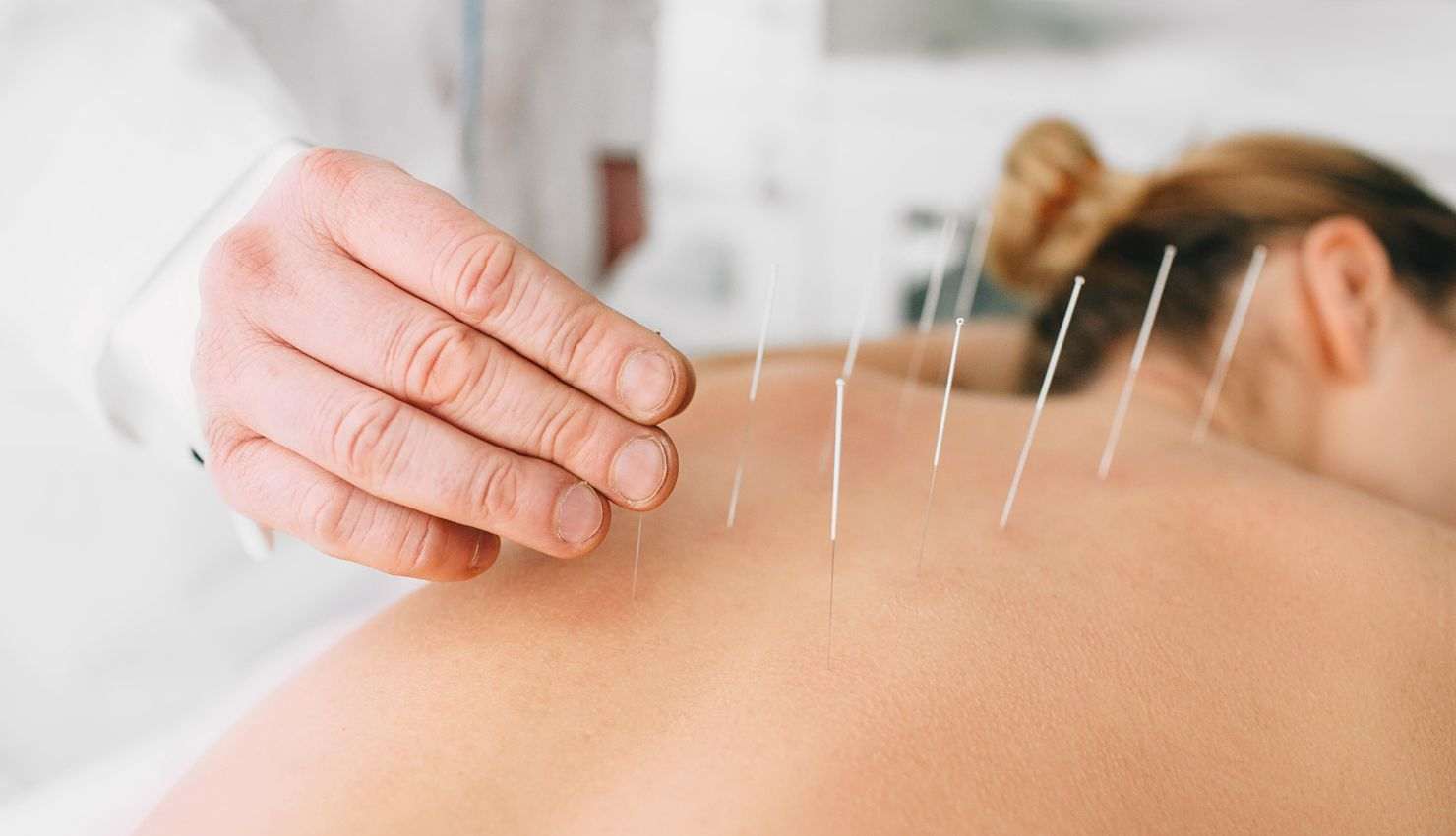
In today’s world of integrative medicine and physical therapy, both acupuncture and dry needling have gained popularity for pain relief and muscle recovery. At first glance, these two treatments might seem identical—after all, both involve the insertion of thin needles into specific parts of the body. However, despite their surface similarities, acupuncture and dry needling are distinct in their origins, philosophy, techniques, and goals.
If you’re considering one of these treatments, understanding the differences can help you make an informed choice based on your specific needs. In this blog, we break down the key contrasts between acupuncture and dry needling, covering everything from historical roots to how each method works on the body.
Origins and Philosophical Background
Acupuncture is a practice that dates back over 2,000 years and is a core component of Traditional Chinese Medicine (TCM). It is based on the concept of Qi (energy) flowing through pathways in the body known as meridians. When the flow of Qi is disrupted—due to stress, illness, or injury—it can lead to pain and dysfunction. Acupuncture aims to restore balance by stimulating specific acupuncture points along these meridians.
Dry needling, on the other hand, is a relatively modern technique rooted in Western medicine, specifically physical therapy and musculoskeletal science. Developed in the mid-20th century, dry needling targets trigger points—tight bands or knots in muscle tissue that cause pain or restrict movement. The goal is to release tension, improve mobility, and reduce pain by stimulating the muscle directly.
Technique and Application
While both acupuncture and dry needling involve inserting needles into the body, the techniques differ in intention and execution.
Acupuncture Technique:
Needles are inserted along meridians to restore energetic balance.
Treatment may address a combination of physical, emotional, and systemic issues.
Needles are usually left in place for 15 to 40 minutes while the patient relaxes.
Practitioners may use gentle stimulation (manual or electrical) to enhance effects.
Acupuncture points are carefully selected based on a full-body diagnosis, including pulse and tongue analysis.
Dry Needling Technique:
Focuses exclusively on muscle tissue and trigger points.
Needles are inserted into tight or tender spots within muscles, often deeper than acupuncture points.
Treatment aims to elicit a local twitch response—a brief contraction followed by muscle release.
The needle may be moved or manipulated during insertion to disrupt the trigger point.
Sessions are often shorter and more localized compared to acupuncture.
Training and Practitioner Qualifications
Another significant difference lies in the training required to perform each technique.
Acupuncturists must complete extensive education—typically a master’s degree or diploma that includes over 2,000 to 3,000 hours of coursework and clinical practice. They study Traditional Chinese Medicine theory, anatomy, physiology, diagnosis, needling techniques, safety protocols, and more. Acupuncturists are licensed in most provinces of Canada, including Ontario, Alberta, and British Columbia.
Dry needling is usually practiced by physical therapists, chiropractors, or other licensed healthcare professionals who complete post-graduate certification in the technique. Training programs are often shorter—ranging from 20 to 100 hours—depending on jurisdiction and prior credentials.
While both approaches are performed by regulated professionals, acupuncturists are specifically trained in the energetics, theory, and complexity of needling for systemic health.
Conditions Treated
Both methods can treat pain, but their scope and depth differ.
Acupuncture is used to treat:
Chronic pain (back, neck, arthritis, fibromyalgia)
Migraines and headaches
Stress, anxiety, and emotional disorders
Digestive issues
Insomnia and sleep disorders
Menstrual and hormonal imbalances
Post-surgical recovery and immune support
Dry needling is typically used for:
Muscle tension and stiffness
Myofascial pain syndrome
Sports injuries
Restricted range of motion
Postural dysfunction
Joint pain related to muscle tightness
While dry needling focuses on the musculoskeletal system, acupuncture takes a more holistic approach, addressing internal organs, emotional states, and energy systems.
Sensation and Experience
Both treatments use fine, sterile needles, but the sensations they produce can feel different.
During acupuncture, sensations may include warmth, tingling, heaviness, or a dull ache around the needle site. These are considered therapeutic and reflect the movement of Qi. The overall experience is typically calming, and many patients report entering a meditative or deeply relaxed state.
During dry needling, the experience is often more intense. Inserting the needle into a trigger point can cause a sharp or cramping sensation, followed by a twitch response in the muscle. This can feel uncomfortable initially but often brings relief afterward. Some muscle soreness may occur for 24 to 48 hours following treatment.
Side Effects and Safety
Both acupuncture and dry needling are considered safe when performed by trained professionals using sterile techniques.
Common side effects include:
Mild bruising
Temporary soreness at the needle site
Fatigue or lightheadedness after treatment
Serious complications are rare but can occur if performed incorrectly, especially when needles are inserted near the lungs, nerves, or blood vessels. That’s why it’s crucial to receive treatment from a certified and experienced practitioner.
Regulation and Recognition
In Canada, acupuncture is a regulated profession, and acupuncturists must be licensed by provincial colleges. This ensures a high standard of training, ethics, and patient safety. Many insurance plans cover acupuncture treatments under extended healthcare benefits.
Dry needling is less regulated and varies widely between provinces and professions. In some regions, it’s considered a form of physiotherapy, while in others, it may be restricted. Insurance coverage may also depend on the practitioner’s credentials and the treatment purpose.
Which One Is Right for You?
Choosing between acupuncture and dry needling depends on your symptoms, preferences, and treatment goals.
You may prefer acupuncture if you:
Want a full-body, holistic approach to healing
Are experiencing both physical and emotional symptoms
Are interested in long-term wellness, prevention, and energy balancing
Have chronic conditions, stress-related symptoms, or internal imbalances
You may choose dry needling if you:
Have a sports injury or musculoskeletal issue
Want rapid release of muscle knots or trigger points
Prefer a more mechanical, localized approach
Are already seeing a physiotherapist or chiropractor
Some people even combine both methods, using dry needling for acute muscle release and acupuncture for ongoing balance and recovery.
Final Thoughts: Two Tools, One Goal—Healing
While acupuncture and dry needling differ in theory, scope, and technique, both aim to support the body’s natural ability to heal. Whether you’re looking to ease tension, reduce chronic pain, or improve your overall vitality, understanding the differences between these two needle-based therapies can help you choose the right path for your unique needs.
At the heart of both methods is the belief that healing happens from the inside out—and with the right support, your body knows exactly how to restore balance.