Pelvic floor weakness is a common issue that many women face, affecting their quality of life and overall well-being. The pelvic floor muscles support vital organs such as the bladder, uterus, and bowel, and weakness in these muscles can lead to problems such as urinary incontinence, pelvic organ prolapse, and reduced core stability.

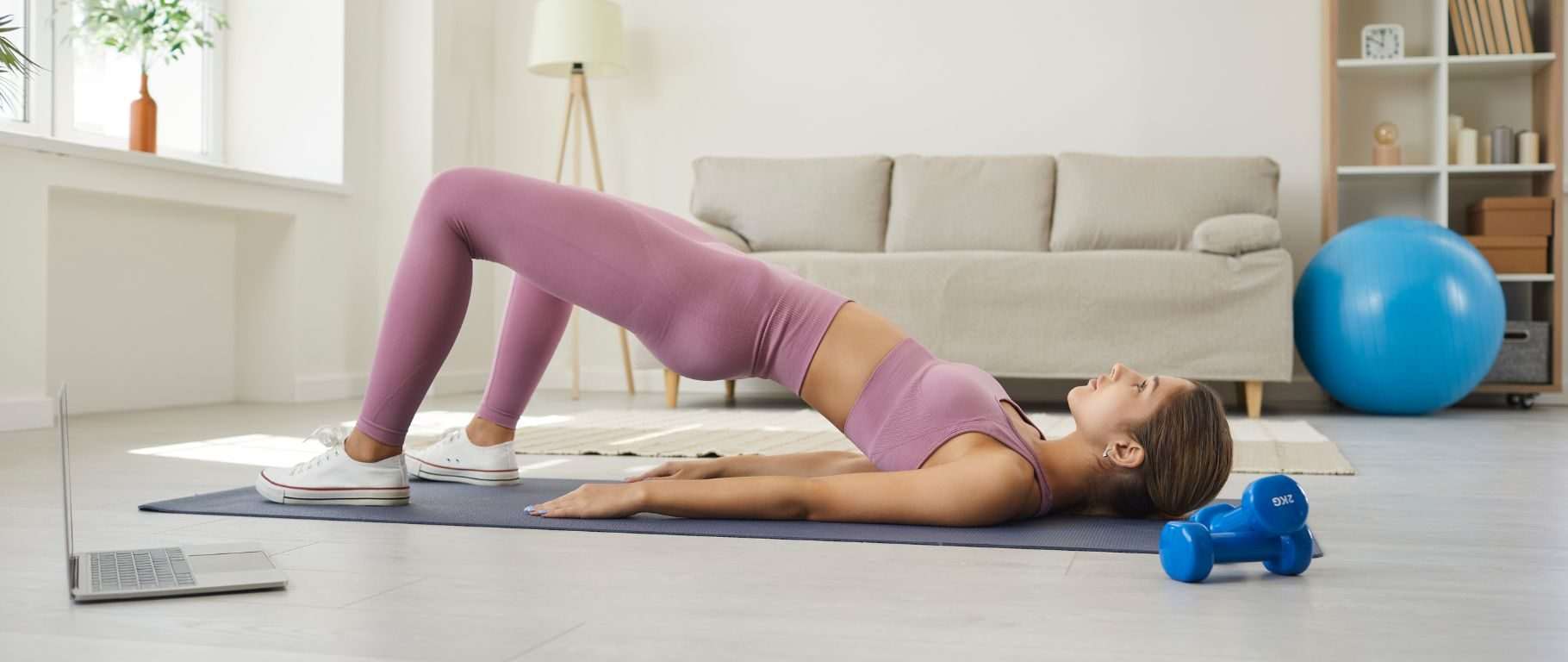
Pelvic floor weakness is a common issue that many women face, affecting their quality of life and overall well-being. The pelvic floor muscles support vital organs such as the bladder, uterus, and bowel, and weakness in these muscles can lead to problems such as urinary incontinence, pelvic organ prolapse, and reduced core stability. Fortunately, physiotherapy offers effective, non-invasive approaches to strengthen the pelvic floor and restore function.
Understanding Pelvic Floor Weakness
Pelvic floor weakness occurs when the muscles and connective tissues that support the pelvic organs become stretched, damaged, or weakened. This can happen due to pregnancy, childbirth, aging, hormonal changes, or lifestyle factors like chronic coughing or heavy lifting. Symptoms can include urinary leakage, pelvic heaviness, discomfort during activities, and decreased control over bowel movements.
How Physiotherapy Helps
Physiotherapy for pelvic floor weakness focuses on improving muscle strength, endurance, and coordination. A personalized treatment plan typically includes pelvic floor muscle training, education, and lifestyle advice.
Pelvic Floor Muscle Training (PFMT)
The cornerstone of physiotherapy for pelvic floor weakness is Pelvic Floor Muscle Training. Often referred to as Kegel exercises, PFMT involves contracting and relaxing the pelvic muscles to improve their strength and control. However, proper technique is essential to avoid ineffective or harmful exercises.
A physiotherapist trained in pelvic health will guide you through the correct method, ensuring you activate the right muscles without overusing surrounding muscles like the abdomen or buttocks. Progression in exercise intensity and frequency is tailored to your individual needs.
Biofeedback and Electrical Stimulation
Some physiotherapy clinics offer biofeedback, a technique that uses sensors to help you visualize and control pelvic floor muscle contractions more effectively. Electrical stimulation can also be used to activate weak muscles that are difficult to engage voluntarily, speeding up recovery.
Manual Therapy and Postural Correction
Pelvic floor weakness often coexists with issues in posture and alignment. Manual therapy techniques applied by a physiotherapist can relieve muscle tension, improve blood flow, and correct misalignments that affect pelvic floor function. Postural education helps maintain optimal muscle activation during daily activities.
Lifestyle Modifications to Support Pelvic Floor Health
Physiotherapy also includes guidance on lifestyle habits that influence pelvic floor strength. These may include:
Avoiding excessive straining during bowel movements by managing constipation.
Maintaining a healthy weight to reduce pelvic pressure.
Modifying heavy lifting techniques.
Incorporating regular low-impact exercise.
Practicing bladder training techniques.
When to Seek Physiotherapy for Pelvic Floor Weakness
Early intervention is key for effective management of pelvic floor weakness. Women experiencing symptoms such as frequent urinary leakage, pelvic pressure, or discomfort during exercise should consult a pelvic health physiotherapist. Physiotherapy is beneficial across all ages and stages, from postpartum recovery to menopause and beyond.
Conclusion
Addressing pelvic floor weakness with physiotherapy provides a safe and effective path to restoring muscle strength and improving daily function. Through tailored pelvic floor muscle training, biofeedback, manual therapy, and lifestyle changes, women can regain control and enhance their quality of life. For women in Canada seeking expert care, YourFormSux offers specialized pelvic health physiotherapy designed to deliver lasting results.