Pelvic health disorders, such as urinary incontinence, pelvic organ prolapse, endometriosis, and chronic pelvic pain, are more than just physical challengesthey carry a significant emotional toll. These conditions can interfere with intimacy, mobility, and confidence, often leading to anxiety, embarrassment, or depression.

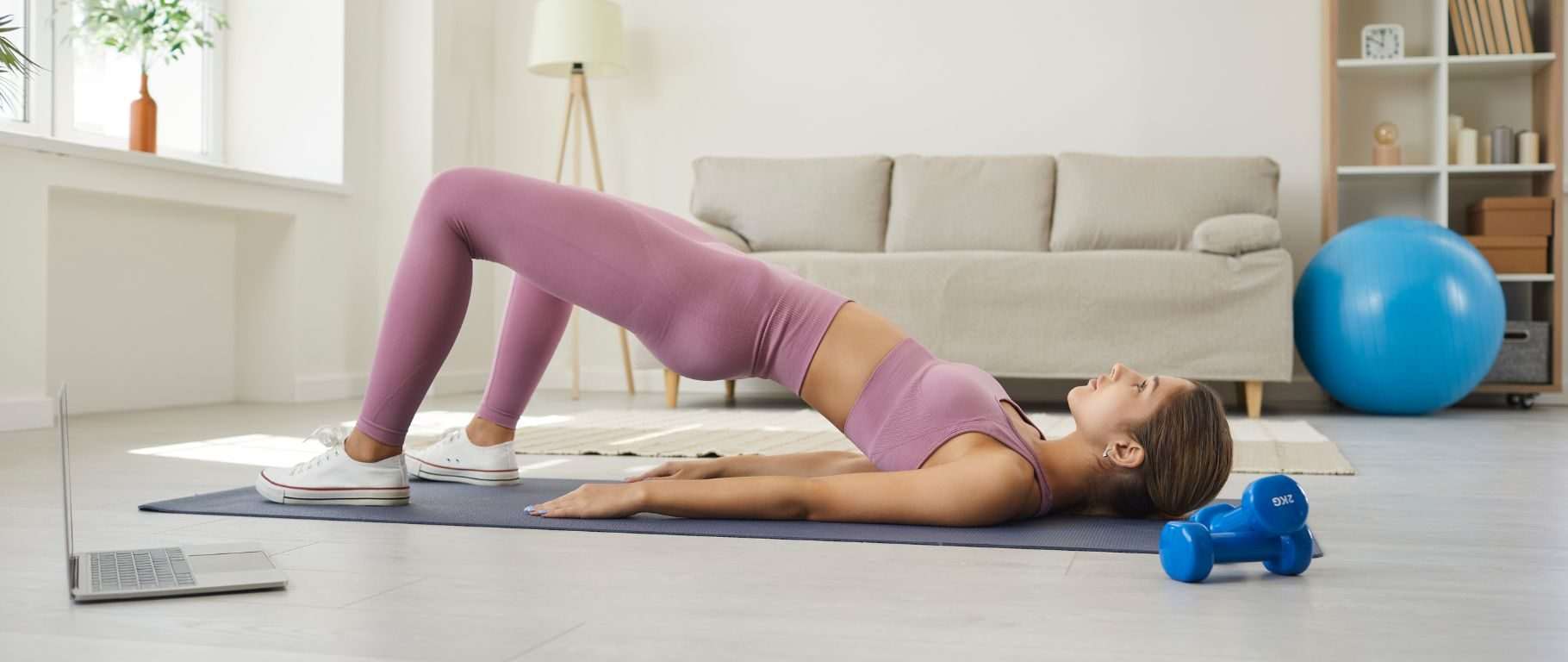
Pelvic health disorders, such as urinary incontinence, pelvic organ prolapse, endometriosis, and chronic pelvic pain, are more than just physical challengesthey carry a significant emotional toll. These conditions can interfere with intimacy, mobility, and confidence, often leading to anxiety, embarrassment, or depression. Despite how common these experiences are among women, they are frequently under-discussed. Fortunately, physiotherapy offers a powerful path to not only restore physical function but also ease the emotional burden associated with pelvic health disorders.
Emotional Challenges Tied to Pelvic Health Issues
Many women suffer in silence. Pelvic health problems can feel deeply personal and even shameful, especially when they involve bladder or bowel control, sexual dysfunction, or chronic pain. The stress of constantly managing symptoms can lead to:
Social withdrawal or avoidance of physical activities
Decreased intimacy and relationship stress
Feelings of loss of control
Heightened anxiety about public situations
Depression from chronic discomfort or limitations
Women often describe feeling unheard by medical professionals, adding to the emotional strain. The isolation that comes from unspoken suffering only magnifies the psychological burden.
Physiotherapy as a Holistic Approach
Pelvic floor physiotherapy takes a compassionate, whole-body approach. Its not just about muscle rehabilitationits about restoring confidence and connection to your body.
Trained physiotherapists create a safe and supportive environment to talk about symptoms openly. Sessions are built on consent and trust, focusing on physical recovery while acknowledging emotional and mental health needs. This therapeutic alliance helps women feel validated, empowered, and hopeful.
How Emotional Healing Happens Through Movement
Movement has a powerful role in emotional regulation. Gentle pelvic exercises, breathing techniques, and manual therapy help reduce pain signals and shift the body out of fight or flight mode. Over time, as symptoms improve, women often report feeling more in control, grounded, and emotionally resilient.
Restoring Self-Image and Confidence
As pelvic floor function improves, so does a womans ability to engage in daily life. Being able to sneeze without leaking, return to exercise, or enjoy intimacy again can significantly boost self-esteem. Physiotherapists help women set achievable goals and celebrate small victories, reinforcing positive change and emotional strength.
Conclusion
Pelvic health disorders affect both the body and mind. Addressing only one aspect leaves the recovery incomplete. Physiotherapy offers a unique bridge between physical healing and emotional well-being. At YourFormSux, we believe that restoring pelvic health should never come at the cost of emotional neglect. By blending compassion, expertise, and personalized care, physiotherapy helps women reclaim both their physical function and emotional peace.