Pelvic health plays a foundational role in how your body functions every day, yet it often goes unnoticed until problems begin to interfere with daily life. From the way you sit and walk to how you sleep, work, exercise, and even socializeyour pelvic floor muscles are constantly at work.

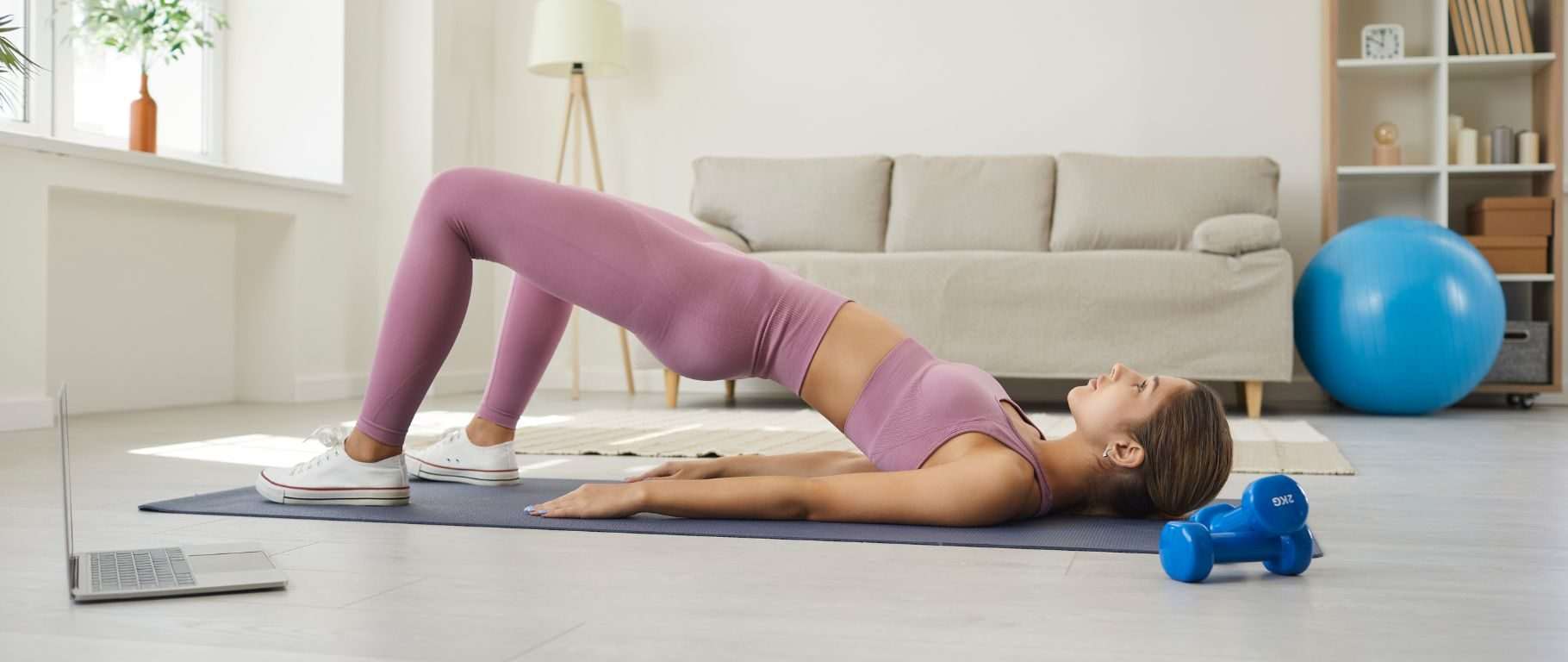
Pelvic health plays a foundational role in how your body functions every day, yet it often goes unnoticed until problems begin to interfere with daily life. From the way you sit and walk to how you sleep, work, exercise, and even socializeyour pelvic floor muscles are constantly at work. For many women in Canada, subtle pelvic floor dysfunction gradually disrupts normal routines, diminishing quality of life and making everyday activities feel harder. Physiotherapy for pelvic health provides effective, personalized treatment that helps restore normalcy, confidence, and control.
Why the Pelvic Floor Matters More Than You Think
The pelvic floor is a hammock of muscles and connective tissue that supports critical organs like the bladder, bowel, and uterus. These muscles are responsible for continence, posture, and stability of the hips and lower back. When they are weakened, too tight, or poorly coordinated, it creates a domino effect across the body.
Many women experience symptoms without recognizing the pelvic floor as the source. These can include:
Leaking urine during daily tasks like laughing or lifting
Pain or heaviness in the pelvis after standing or walking
Difficulty engaging in physical activity due to instability or discomfort
Frequent trips to the bathroom or bowel movement issues
Discomfort during sex or while sitting for long periods
Left unaddressed, these issues can worsen, but the good news is they are often very treatable through pelvic floor physiotherapy.
How Pelvic Health Affects Sitting and Desk Work
One of the most common complaints from women with pelvic dysfunction is pain or discomfort while sitting. Whether its a dull ache in the tailbone or a feeling of pressure in the pelvis, sitting becomes physically and mentally draining.
Physiotherapists assess your sitting posture, ergonomics, and alignment to determine the root cause. Often, tight pelvic floor muscles, misaligned hips, or weak deep core muscles contribute to the discomfort. Through posture training, stretches, and muscle release techniques, physiotherapy helps you find a more sustainable, pain-free way to sit throughout the day.
Walking, Standing, and Running Made Difficult
Walking should feel natural and easy. But for those with pelvic issues, it may trigger hip, lower back, or groin pain. Even short walks can feel exhausting due to instability in the pelvic region. Standing for too long may cause pressure or a feeling of heaviness, especially in cases of pelvic organ prolapse.
Pelvic physiotherapy addresses these concerns by:
Identifying movement patterns that contribute to pain
Strengthening stabilizing muscles in the hips and core
Teaching proper weight distribution and foot mechanics
Improving coordination between the pelvic floor and other muscle groups
This allows women to return to walking, standing, and light physical activity without pain or fear.
Exercise and Fitness Struggles
Many women give up on exercise after childbirth or as they age due to fear of leaks, discomfort, or injuries. Leaking during jumping, pain during abdominal workouts, or instability during strength training are all signs of pelvic floor dysfunction.
Pelvic health physiotherapists help you:
Modify existing workouts to be pelvic-friendly
Rebuild strength in the pelvic floor and surrounding muscles
Learn breath techniques to manage intra-abdominal pressure
Transition back to high-impact activity safely
Staying active is essential for health and mental well-being. With the right guidance, you dont have to give up the activities you love.
Sleep Interrupted by Pelvic Symptoms
Pelvic pain, pressure, or frequent nighttime urination can interfere with sleep. Poor sleep affects mood, concentration, and overall health, creating a cycle of fatigue that worsens pelvic symptoms.
Physiotherapists offer solutions like:
Relaxation exercises to ease muscle tension
Sleep posture modifications to relieve pressure
Bladder retraining for better overnight control
Pelvic floor down-training techniques
These strategies help women wake up feeling more rested and better equipped to take on the day.
Pelvic Health and Parenting Tasks
Parenting requires physical strength and energywhether you’re bending over a crib, chasing toddlers, or lifting car seats. Pelvic dysfunction can turn these routine tasks into painful or tiring challenges. Weak core and pelvic muscles mean more strain on your back and joints.
Physiotherapy provides customized strength training that fits your daily lifestyle. Rather than generic exercises, your program is designed around your body and routine, ensuring your pelvic floor supports you through the physical demands of parenting.
Sexual Function and Emotional Health
Pelvic floor issues can take a toll on your intimate life and self-esteem. Pain, tension, or anxiety around sex are common, especially postpartum or during menopause. Unfortunately, many women feel isolated or embarrassed by these experiences.
Pelvic physiotherapists provide a safe, supportive space to address these concerns. Through muscle release, mobility work, and education, you can return to a fulfilling intimate life without discomfort or fear.
Why Early Intervention Matters
Many women wait months or even years before seeking help for pelvic symptoms, assuming they will go away on their own. Unfortunately, the longer issues persist, the harder they can be to resolve. Early physiotherapy helps prevent long-term complications like pelvic organ prolapse, chronic pelvic pain, or urinary incontinence.
Even if your symptoms are mild or only occasional, an early assessment can identify imbalances before they become major concerns.
Small Changes, Big Results
With physiotherapy, small adjustments in how you move, breathe, and strengthen your body can make a profound difference. These include:
Correcting posture at your desk or in the car
Learning how to lift properly using your pelvic muscles
Adopting better sleep positions
Improving bladder and bowel habits
Each change supports a healthier, more functional pelvic floor and leads to a better quality of life.
Conclusion
Pelvic health impacts every corner of your dayfrom how you move and rest to how you feel emotionally and socially. Physiotherapy offers a practical, personalized approach to restoring pelvic function and allowing you to reclaim your routine. Whether you’re recovering from childbirth, managing menopause, or simply noticing changes in how your body feels, pelvic physiotherapy can guide you toward lasting comfort, strength, and confidence.