Urinary incontinence affects millions of women worldwide, yet it remains one of the least discussed health concerns. Whether it’s stress incontinence (leaking during activity), urge incontinence (sudden strong need to urinate), or a combination of both, many women resign themselves to the discomfort and embarrassment.

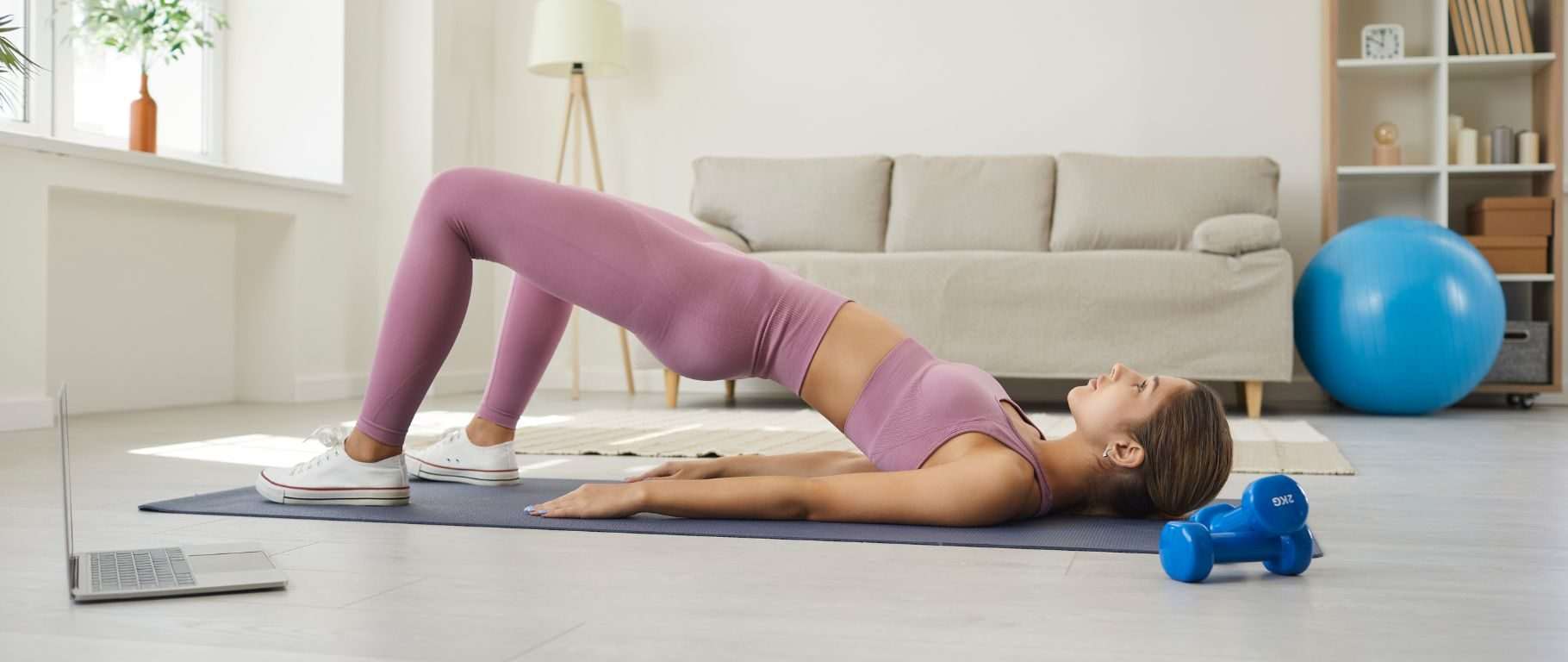
Urinary incontinence affects millions of women worldwide, yet it remains one of the least discussed health concerns. Whether it’s stress incontinence (leaking during activity), urge incontinence (sudden strong need to urinate), or a combination of both, many women resign themselves to the discomfort and embarrassment. The truth is: urinary incontinence is common, but its not normaland physiotherapy offers a proven, non-invasive path to recovery.
What Causes Urinary Incontinence in Women?
Urinary leakage can result from:
Weak pelvic floor muscles
Overactive bladder
Childbirth trauma
Hormonal changes during menopause
Obesity or chronic coughing
Poor bladder habits over time
These factors can lead to reduced support for the bladder and urethra, resulting in uncontrolled urine leakage.
Types of Incontinence Commonly Treated by Physiotherapists
Stress Incontinence
Leakage during coughing, sneezing, laughing, or exercise due to weak pelvic support.
Urge Incontinence
A sudden, overwhelming urge to urinate that leads to leakage, often linked to overactive bladder muscles.
Mixed Incontinence
A combination of stress and urge incontinence symptoms.
How Physiotherapy Helps
Pelvic floor physiotherapy is the first-line, evidence-based treatment for most types of incontinence. Unlike medications or surgery, it focuses on restoring normal muscle function, improving coordination, and addressing root causes.
Core Physiotherapy Techniques for Incontinence
Pelvic Floor Muscle Training (PFMT): Strengthens the muscles that control bladder function. This includes both slow-twitch (endurance) and fast-twitch (quick response) fibers.
Biofeedback and Electrical Stimulation: In some cases, tools may be used to teach proper contraction or stimulate underactive muscles.
Bladder Retraining: Helps reduce frequency and urgency by teaching timed voiding and urge suppression techniques.
Breath and Core Coordination: Integrates diaphragm function with pelvic control to reduce downward pressure on the bladder.
Lifestyle and Habitual Coaching: Adjustments to fluid intake, posture, and toilet habits can dramatically improve symptoms.
When to Seek Physiotherapy
If you:
Leak urine with activity, urgency, or both
Wake frequently at night to urinate
Plan outings around toilet access
Avoid exercise or intimacy due to fear of leakage
Then physiotherapy can offer life-changing resultswithout medication or surgery.
Benefits of Physiotherapy for Incontinence
Improved bladder control and reduced leakage
Increased confidence and quality of life
Reduced reliance on pads or protective garments
Prevention of worsening symptoms or future pelvic floor disorders
Conclusion
Urinary incontinence can feel isolating, but you are not aloneand you do not have to live with it. Physiotherapy offers a natural, effective solution that empowers women to regain bladder control and restore normal function. At YourFormSux, our personalized pelvic floor therapy sessions are designed to meet your unique needs with compassion, privacy, and professionalism. Take the first step toward freedom from leakagebecause your comfort, confidence, and control matter.