Are You Ready for That Performance? Physiotherapy Tips for Dancers explores targeted strategies for recovery. Discover new paths to mobility, healing, and personalized care.

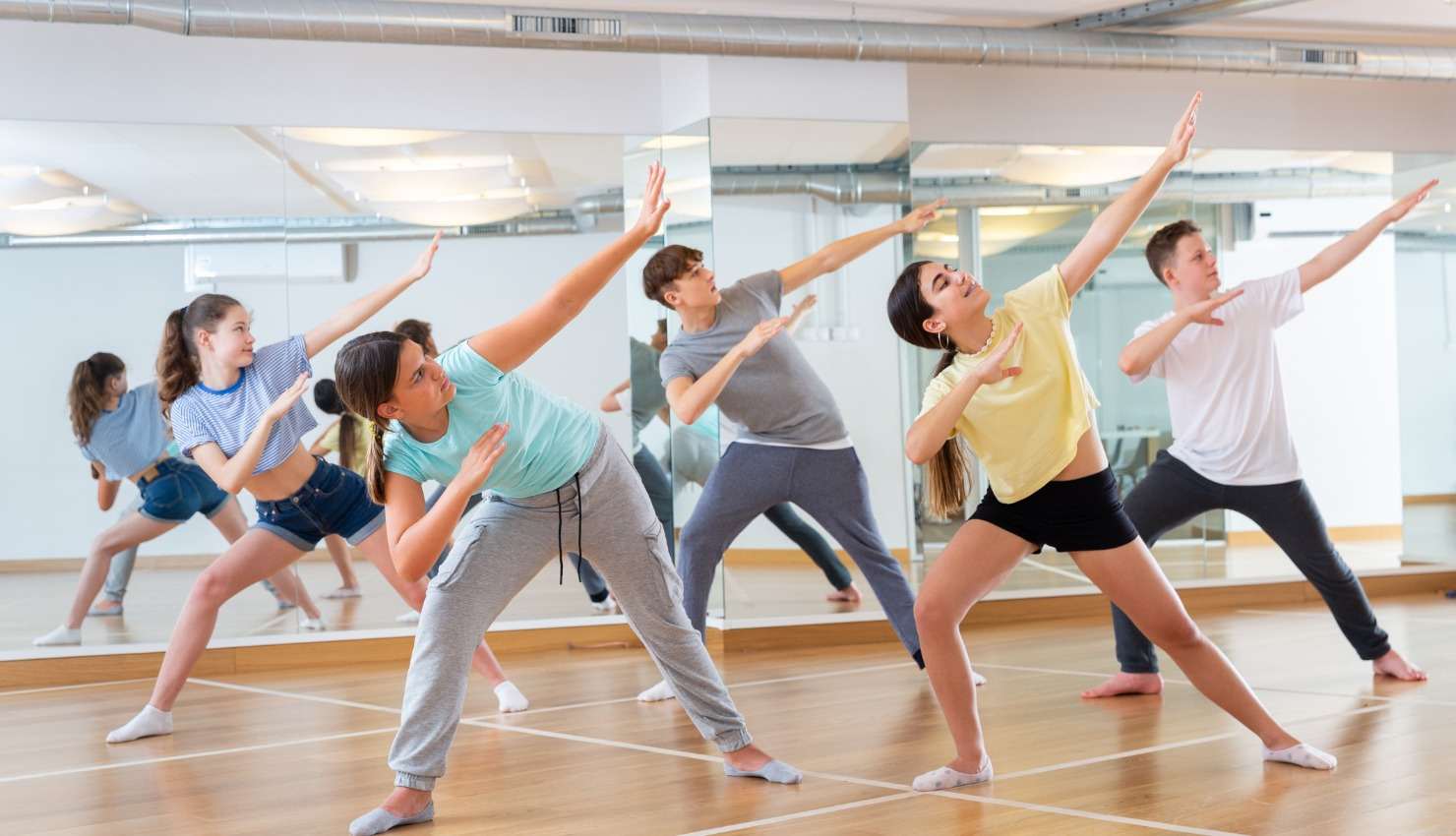
Perform a Pre-Performance Body Check
Before hitting the stage, physiotherapists recommend doing a body scan:
Are there tight or sore areas?
Do you feel symmetrical and balanced?
Is there any lingering pain from rehearsals?
A physiotherapist can assess:
Joint range of motion
Muscular imbalances
Areas of weakness or compensation
?? This ensures you address minor issues before they become major problems on stage.
?? 2. Dont Skip Your Physiotherapy-Informed Warm-Up
A warm-up guided by physiotherapy principles is more than just stretching. It includes:
Dynamic mobility (e.g., leg swings, spine rolls)
Neuromuscular activation (glute bridges, core engagement drills)
Cardiovascular prep (light jogging or jumps)
Dance-specific movements (marking through choreography with intent)
?? Proper warm-up not only improves performance but reduces your injury risk by over 30%.
?? 3. Use Prehab Exercises to Prime Your Body
Prehabilitation, or prehab, includes exercises that:
Activate stabilizing muscles
Enhance joint mobility
Improve balance and proprioception
Examples:
Theraband work for ankles and turnout muscles
Hip stability drills
Shoulder mobilizers for partnering or floor work
??? These small routines are a dancers secret weapon for long-term health and strong performances.
?? 4. Address Tightness and Restrictions Early
Feeling tension in your hips, hamstrings, or spine before curtain call? A physiotherapist can provide:
Manual therapy
Fascial release
Trigger point work
Taping or joint support (if needed)
This helps restore optimal alignment and movement quality, making your technique cleaner and safer.
?? 5. Hydrate and Fuel Like an Athlete
Physiotherapists emphasize that your muscles need fuel to perform:
Stay well-hydrated throughout the day
Eat balanced meals with protein, healthy fats, and complex carbs
Avoid over-caffeinating right before the show
?? Dehydration and under-fueling increase cramping and fatigue during performances.
?? 6. Plan a Cool-Down Routine
Right after the performance, your recovery begins. Include:
Gentle cardio (like walking)
Active stretching (hips, calves, hamstrings, shoulders)
Foam rolling or physio-assisted release
Breathing techniques to calm the nervous system
?? Cool-downs speed up recovery, reduce soreness, and help you mentally transition out of performance mode.
?? 7. Dont Ignore Mental Readiness
Performance anxiety affects the body physically tightening muscles, shortening breath, and impairing coordination. Physiotherapists can guide:
Grounding techniques
Breathing drills for the diaphragm and ribs
Muscle relaxation methods (e.g., progressive relaxation)
????? A calm body leads to a clear, expressive performance.
?? Quick Performance-Readiness Checklist (Physio Edition)
? Ready If ? Not Ready If
You can move freely without compensation Youre guarding or favoring a limb
Warm-up leaves you energized You feel stiff, shaky, or fatigued
Breath flows easily and posture is upright You feel hunched, tense, or short of breath
Youve done your prehab and mobility work You skipped body prep due to nerves or time