RSIs develop from repeated microtrauma to muscles, tendons, or nerves. Common types include:

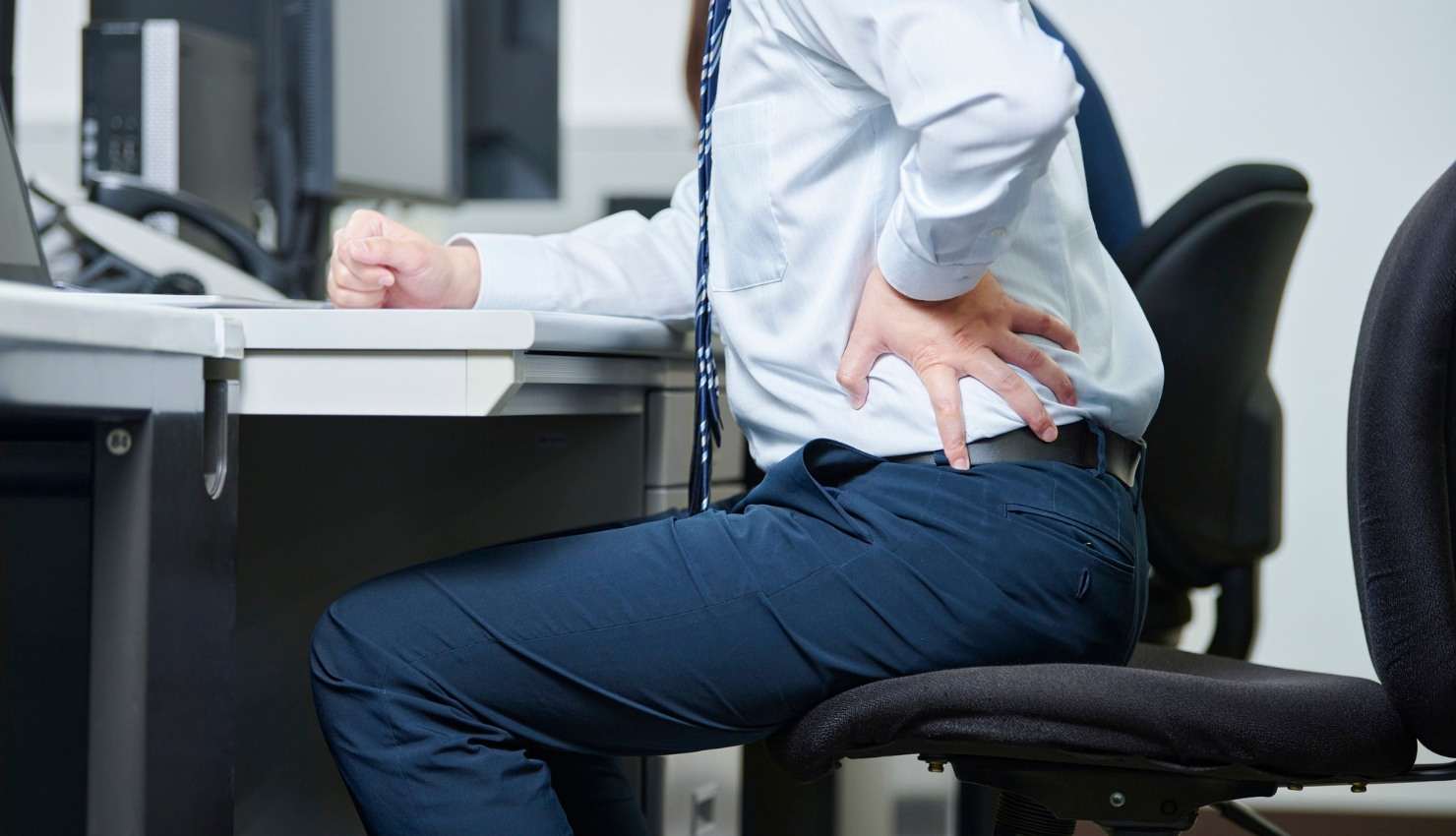
RSIs develop from repeated microtrauma to muscles, tendons, or nerves. Common types include:
Carpal tunnel syndrome
Tendonitis (e.g., wrist, elbow, shoulder)
De Quervains tenosynovitis (thumb/wrist)
Neck and shoulder tension syndromes
?? Symptoms: aching, tingling, numbness, weakness, or sharp pain during or after repetitive tasks.
?? Step 1: Fix Your Ergonomic Setup
Your first line of defense is a well-adjusted workstation.
? Keyboard & Mouse Tips:
Keep elbows at 90°, wrists neutral
Use a split or ergonomic keyboard if needed
Keep mouse and keyboard close and level
Consider a vertical mouse or trackpad to reduce strain
? Monitor Position:
Top third of screen at eye level
Screen arms length away
Use a laptop stand or external monitor if needed
? Chair Position:
Hips slightly above knees
Lumbar support in place
Feet flat on the ground or footrest
?? Small alignment tweaks = big injury prevention
?? Step 2: Take Frequent Microbreaks
Move every 3045 minutes to reduce load on tendons and nerves.
Try this hourly:
30 seconds of wrist rolls
10 shoulder rolls
5 neck stretches (gentle side-to-side and forward/backward)
10 standing calf raises or mini squats
?? Even 12 minutes of movement can break the cycle of repetitive strain
?? Step 3: Stretch to Prevent Tension and Tightness
Tight muscles = more strain on tendons = greater injury risk.
Daily Stretching Routine:
Wrist flexor/extensor stretch
Forearm pronation/supination
Pec doorway stretch
Upper trap stretch
Hip flexor stretch (for prolonged sitters)
?? Do these 12 times daily for long-term protection.
?? Step 4: Strengthen to Support Your Joints
Muscle imbalances often lead to RSIs. A physiotherapist may recommend:
Scapular stability exercises (e.g., shoulder blade squeezes)
Grip strength training
Core activation (supports posture)
Eccentric wrist exercises (for tendon health)
??? Strong, stable joints = reduced repetitive stress risk
?? Step 5: Listen to Your Body
Don’t push through early warning signs like:
Tingling or numbness in fingers
Pain that increases with use
Stiffness that doesn’t resolve with movement
?? Early intervention from a physiotherapist can prevent long-term damage
?? Extra Tools for RSI Prevention
Ergonomic accessories: wrist rests, split keyboards, adjustable desks
Voice typing software to reduce keyboard use
Hot/cold therapy for early pain management