Muscle tension is a common challenge during physiotherapy recovery. Whether due to injury, overuse, or stress, tight muscles can limit your range of motion, cause discomfort, and slow your progress.

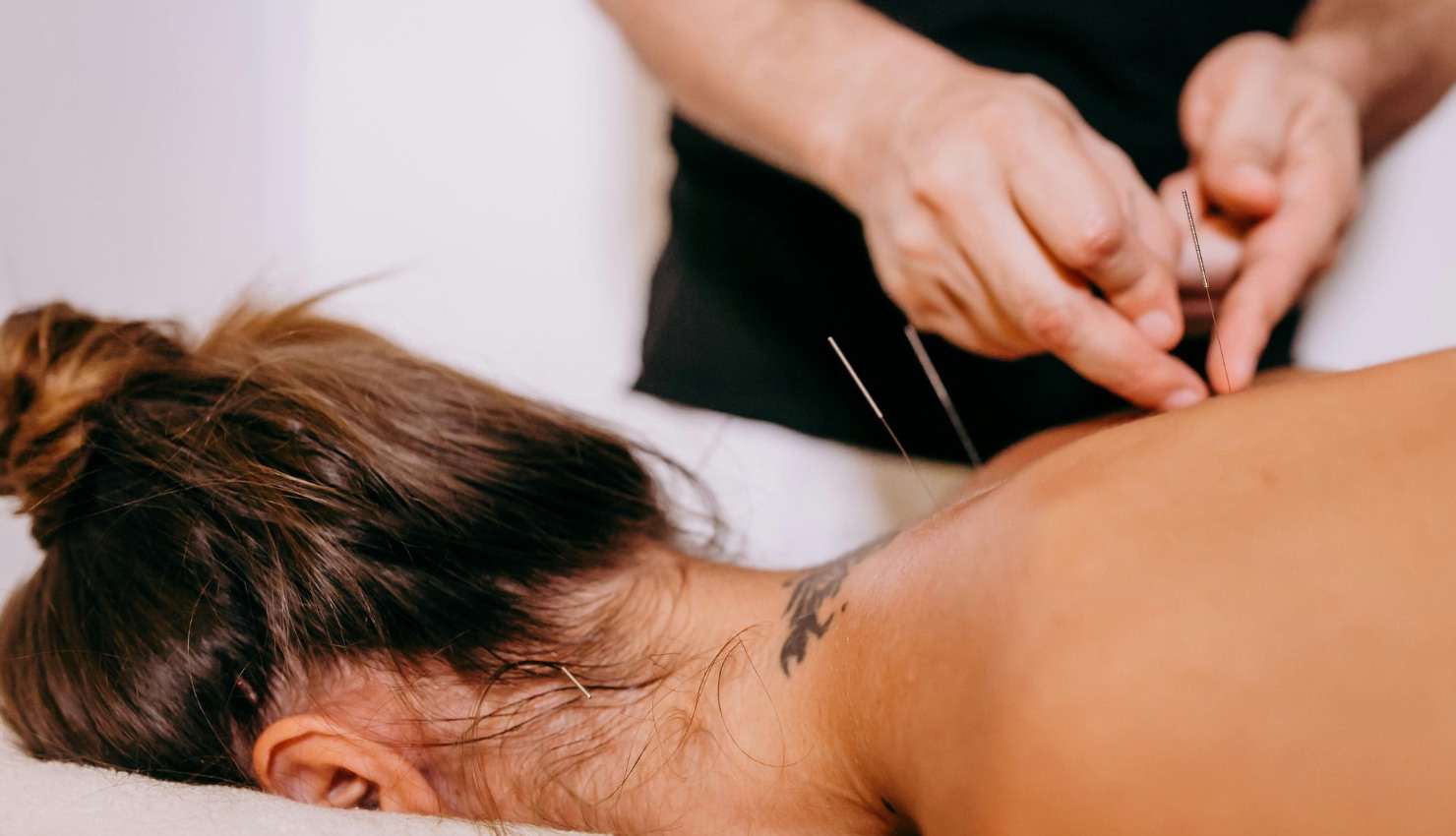
Muscle tension is a common challenge during physiotherapy recovery. Whether due to injury, overuse, or stress, tight muscles can limit your range of motion, cause discomfort, and slow your progress.
Ayurveda, the ancient science of natural healing, offers effective ways to ease muscle tension and support your body’s natural recoveryworking harmoniously alongside physiotherapy to help you heal faster and feel better.
Lets explore how Ayurveda helps relieve muscle tension during physiotherapy recovery.
?? Understanding Muscle Tension in Ayurveda
In Ayurveda, muscle tension often relates to an imbalance in Vata dosha, which governs movement, circulation, and nervous system function. When Vata is aggravated, it can cause muscles to become tight, dry, and prone to spasms.
Ayurveda aims to balance Vata, soothe the nervous system, and nourish muscle tissues for better flexibility and reduced discomfort.
? Ayurvedic Ways to Relieve Muscle Tension
1. Warm Herbal Oil Massage (Abhyanga)
Massaging muscles with warm oils like Mahanarayan oil or Ashwagandha Bala oil:
Increases blood flow and oxygenation
Loosens tight muscles and fascia
Calms the nervous system, reducing spasms
Nourishes tissues for faster repair
Regular massage before or after physiotherapy sessions can significantly ease tension.
2. Herbal Remedies
Certain herbs help relax muscles and reduce inflammation:
Ashwagandha: Reduces stress and muscle tension
Brahmi: Calms the nervous system
Turmeric: Eases inflammation and supports tissue healing
Guggulu: Supports joint and muscle health
These herbs can be taken as supplements or applied topically in medicated oils.
3. Diet and Hydration
Eating warm, nourishing foods with spices like ginger, cumin, and coriander supports circulation and balances Vata. Staying well-hydrated helps maintain muscle elasticity and prevents stiffness.
4. Gentle Movement and Breathwork
Ayurvedic yoga and pranayama (breath control) techniques help relax muscles, improve oxygen flow, and reduce stressmaking physiotherapy exercises more comfortable.
?? How Ayurveda and Physiotherapy Work Together
Physiotherapy Focus Ayurvedic Support
Restores muscle function Relaxes muscles and reduces tension
Improves joint mobility Nourishes tissues and calms nerves
Enhances flexibility and strength Supports whole-body balance and healing
Together, they promote a smoother, more comfortable recovery.
?? Final Thoughts
Muscle tension can be a frustrating roadblock, but Ayurveda offers natural, holistic tools to ease tightness and support your physiotherapy journeyhelping you move more freely and heal more effectively.
? Ready to Ease Muscle Tension Naturally?
If you want to add Ayurvedic care to your physiotherapy recovery for better muscle relaxation, contact us. Well help you design a personalized plan that suits your unique needs.