Building a Dance Injury Prevention Plan with Physiotherapy explores targeted strategies for recovery. Discover new paths to mobility, healing, and personalized care.

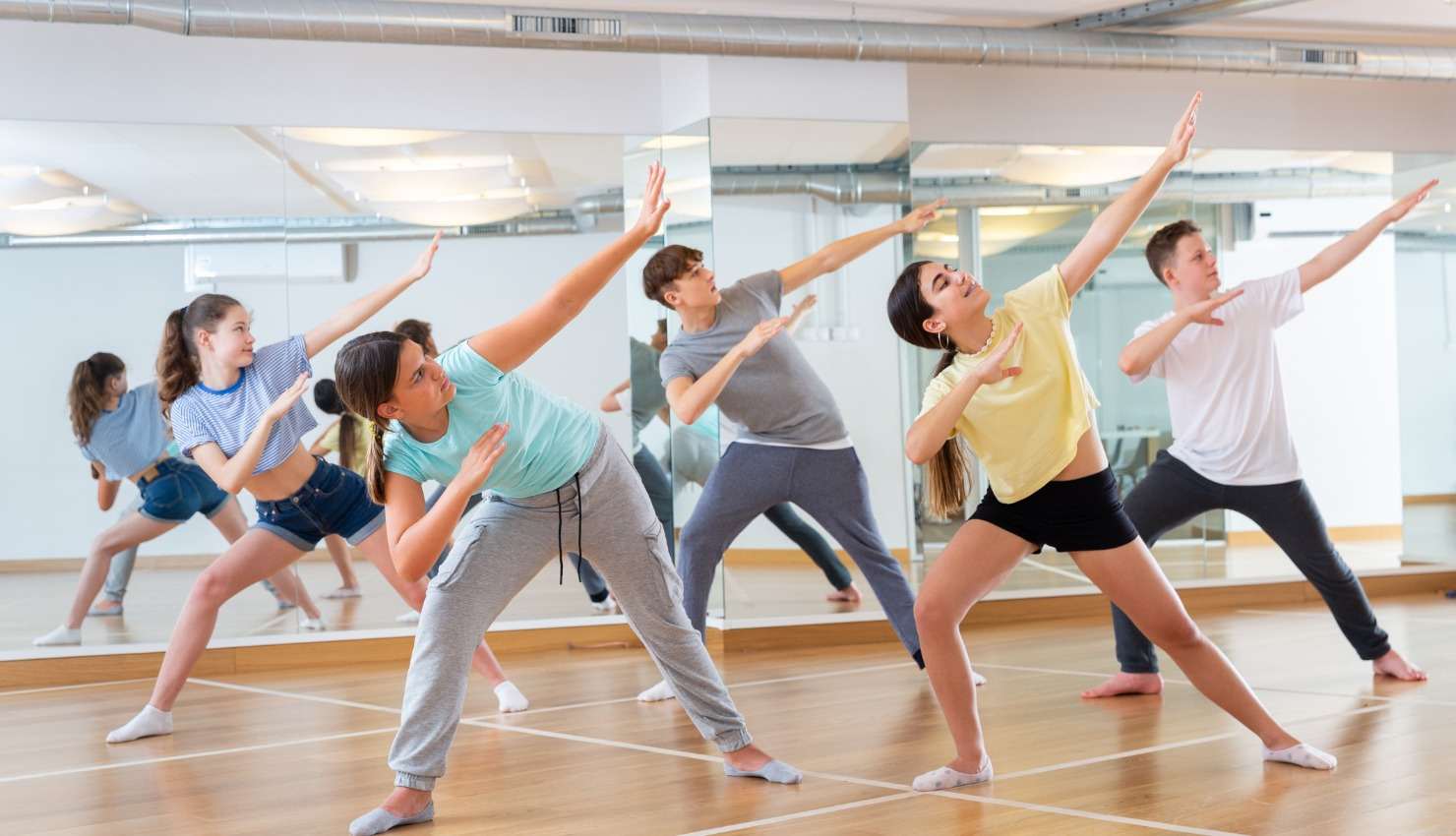
Dance requires:
High flexibility and control
Explosive power (jumps, turns)
Repetition of complex movements
Precision under pressure
These demands put stress on muscles, joints, and tendonsespecially without adequate support or recovery. Injuries like tendinitis, stress fractures, and muscle tears are commonbut often preventable.
????? How Physiotherapists Build an Injury Prevention Plan
? 1. Comprehensive Body Assessment
Physios begin by evaluating:
Postural alignment and technique
Strength and flexibility balance
Joint mobility and control
Previous injury history
Movement patterns and compensation habits
?? This reveals weak links and imbalances before they become injuries.
? 2. Personalized Strength and Conditioning Program
Once weak areas are identified, a physiotherapist creates a dancer-specific routine that may include:
Core and pelvic stability work
Glute and hip strengthening
Upper body support for port de bras or lifts
Ankle and foot strengthening for balance and pointe work
??? Strong, stable muscles protect joints and absorb impact.
? 3. Flexibility and Mobility Optimization
Stretching safely is key. Physios provide:
Controlled active stretches
PNF techniques to increase range safely
Joint mobilization (for restricted areas)
Targeted work for turnout, splits, and arabesques
?? Flexibility training must supportnot sacrificejoint health.
? 4. Technique Refinement and Correction
Injury often comes from small technique flaws repeated over time. A physio may:
Re-train proper alignment in pliés, jumps, or extensions
Correct pelvic tilting, scapular winging, or foot rolling
Provide mirrors or video feedback for posture correction
?? Small adjustments now prevent big problems later.
? 5. Recovery and Load Management Education
Overtraining is a top injury cause. Your plan will include:
Guidance on rest days and active recovery
Tips for using ice, heat, foam rolling, and massage
Monitoring fatigue and early signs of injury
Sleep, hydration, and nutrition education (with referrals if needed)
?? Recovery is as important as training.
? 6. Warm-Up and Cooldown Routines
Physios design effective pre- and post-class routines to:
Warm muscles and prepare joints
Prime the nervous system
Reduce soreness and stiffness
Prevent cold-start injuries
?? A good warm-up is the first line of defense.
?? Common Injuries Prevention Targets
Your physio may help you avoid:
Ankle sprains and instability
Patellofemoral knee pain and tendinitis
Hip impingement and snapping hip syndrome
Lower back strain and hypermobility-related pain
Stress fractures and overuse syndromes
?? When to Update the Plan
A prevention plan isnt one-size-fits-all forever. Update it:
After a growth spurt or level change
Following an injury or surgery
During periods of increased training