Building Knee Strength for Runners and Football Players with Physiotherapy explores targeted strategies for recovery. Discover new paths to mobility, healing, and personalized care.

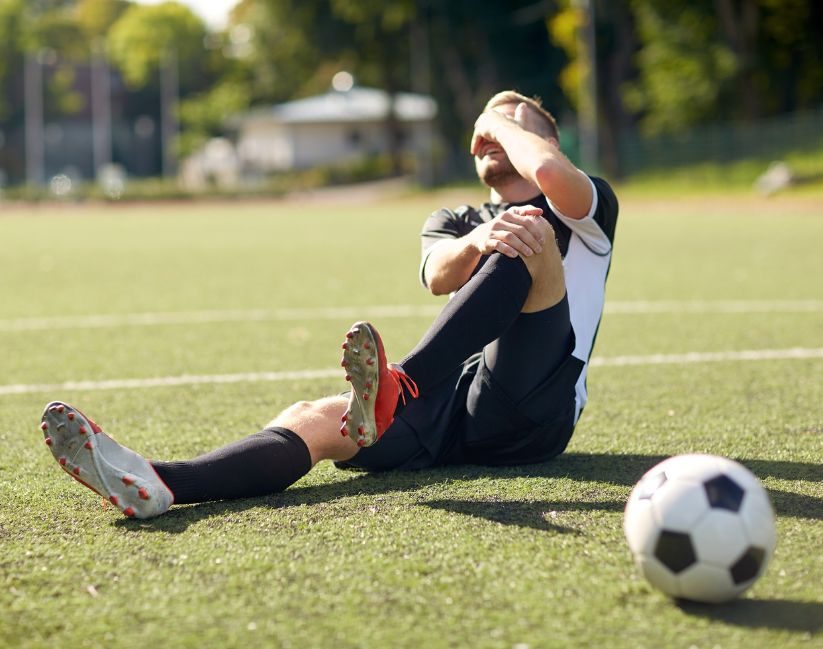
The knee is one of the most important and vulnerable joints for athletes, especially runners and football players. Given the high demands these sports place on the kneesfrom repetitive impact and twisting motions to sudden stops and changes in directionbuilding strong, resilient knees is crucial for performance and injury prevention. Physiotherapy offers a scientifically-backed, personalized approach to strengthening the knee and surrounding muscles, helping athletes stay in the game longer and healthier.
Why Knee Strength Matters in Running and Football
Runners subject their knees to continuous pounding with each stride, often covering long distances on hard surfaces. This repetitive loading can strain the ligaments, cartilage, and muscles supporting the knee. Meanwhile, football players face intense, high-impact movements like cutting, jumping, tackling, and quick pivotsall of which place dynamic loads on the knee joint. Without adequate strength and stability, athletes risk common injuries such as ACL tears, meniscus damage, patellar tendinitis, and runners knee.
Strong knees improve shock absorption, stabilize joints during rapid movement, and enhance overall athletic performance. They also reduce the likelihood of overuse injuries that can sideline athletes for extended periods.
The Role of Physiotherapy in Building Knee Strength
Physiotherapy for knee strengthening goes beyond generic workouts. It focuses on tailored exercises and techniques that address specific muscle imbalances, movement patterns, and weaknesses that contribute to knee instability or pain. A physiotherapist will assess your biomechanics, flexibility, and strength to create a customized rehabilitation or conditioning plan.
Key benefits of physiotherapy include:
Targeted Muscle Strengthening: Focusing on key muscles around the kneequadriceps, hamstrings, glutes, and calvesto support and stabilize the joint.
Improving Joint Mobility: Increasing range of motion to allow for better movement mechanics and reduce stiffness.
Correcting Biomechanics: Identifying and correcting faulty movement patterns that stress the knee.
Progressive Load Training: Gradually increasing exercise intensity to build endurance and strength without causing injury.
Pain Management: Utilizing manual therapy, modalities like ultrasound, or taping techniques to reduce pain and inflammation.
Essential Muscles for Knee Strength
Quadriceps: Located at the front of the thigh, these muscles are vital for knee extension and absorbing shock during running or jumping. Weak quads increase the risk of knee instability.
Hamstrings: These muscles at the back of the thigh help control knee flexion and work in tandem with the quads to stabilize the joint.
Gluteal Muscles: Strong hips contribute to better knee alignment and reduce excessive inward movement (valgus collapse), which is a common cause of knee injuries.
Calves: These muscles assist in propulsion and shock absorption during running and cutting movements.
Sample Physiotherapy Exercises for Knee Strength
A physiotherapist may prescribe exercises such as:
Straight Leg Raises: Strengthen the quadriceps without putting strain on the knee joint.
Hamstring Curls: Target the muscles at the back of the thigh.
Glute Bridges: Activate and strengthen the glutes to support knee alignment.
Step-Ups: Mimic functional movements while building strength.
Lunges: Promote strength and balance but should be performed with correct technique.
Balance and Proprioception Drills: Use wobble boards or single-leg stands to improve knee joint awareness and prevent injuries.
Each exercise is carefully progressed based on the athletes pain levels, strength gains, and functional goals.
Biomechanical Assessment and Gait Analysis
For runners especially, how you move is as important as how strong your muscles are. Physiotherapists often perform gait analysis to identify inefficiencies or asymmetries in running form that might overload the knees. Issues like overpronation, uneven stride length, or poor hip control can be addressed through targeted therapy, orthotics, or changes in footwear.
Similarly, football players cutting and pivoting techniques can be analyzed to prevent unnecessary stress on the knees. Physiotherapists work with athletes to refine these movements for safer play.
Injury Prevention Through Knee Strengthening
Strong, stable knees are your best defense against common sports injuries:
ACL Tears: One of the most serious knee injuries in athletes, often caused by sudden direction changes or landing incorrectly. Strengthening surrounding muscles helps protect the ACL.
Patellar Tendinitis: Resulting from repetitive jumping and running, strong quadriceps and proper training loads reduce tendon stress.
Meniscus Injuries: Balanced muscle strength helps maintain joint alignment and reduces the risk of cartilage tears.
Runners Knee: Caused by irritation of the tissues around the kneecap; strength and flexibility exercises relieve this condition.
Why Personalized Physiotherapy is a Game-Changer
Every athletes body and sport demands are different. Physiotherapy customizes knee strengthening programs to your specific needswhether youre a long-distance runner battling repetitive strain or a football player recovering from a tackle injury. The therapist monitors progress, adjusts exercises, and incorporates recovery strategies like stretching, massage, or modalities to optimize healing.
The Road to Stronger Knees: Consistency and Care
Building knee strength isnt a quick fixits a consistent process that involves commitment to exercise, proper recovery, and smart training adjustments. Working with a physiotherapist ensures youre strengthening the right muscles, moving correctly, and avoiding common pitfalls that can lead to setbacks.
Ready for the next blog, **The Importance of Strengthening Muscles for Injury Prevention