Standing desks have surged in popularity as people look for healthier ways to work, especially those who spend long hours sitting at a desk….

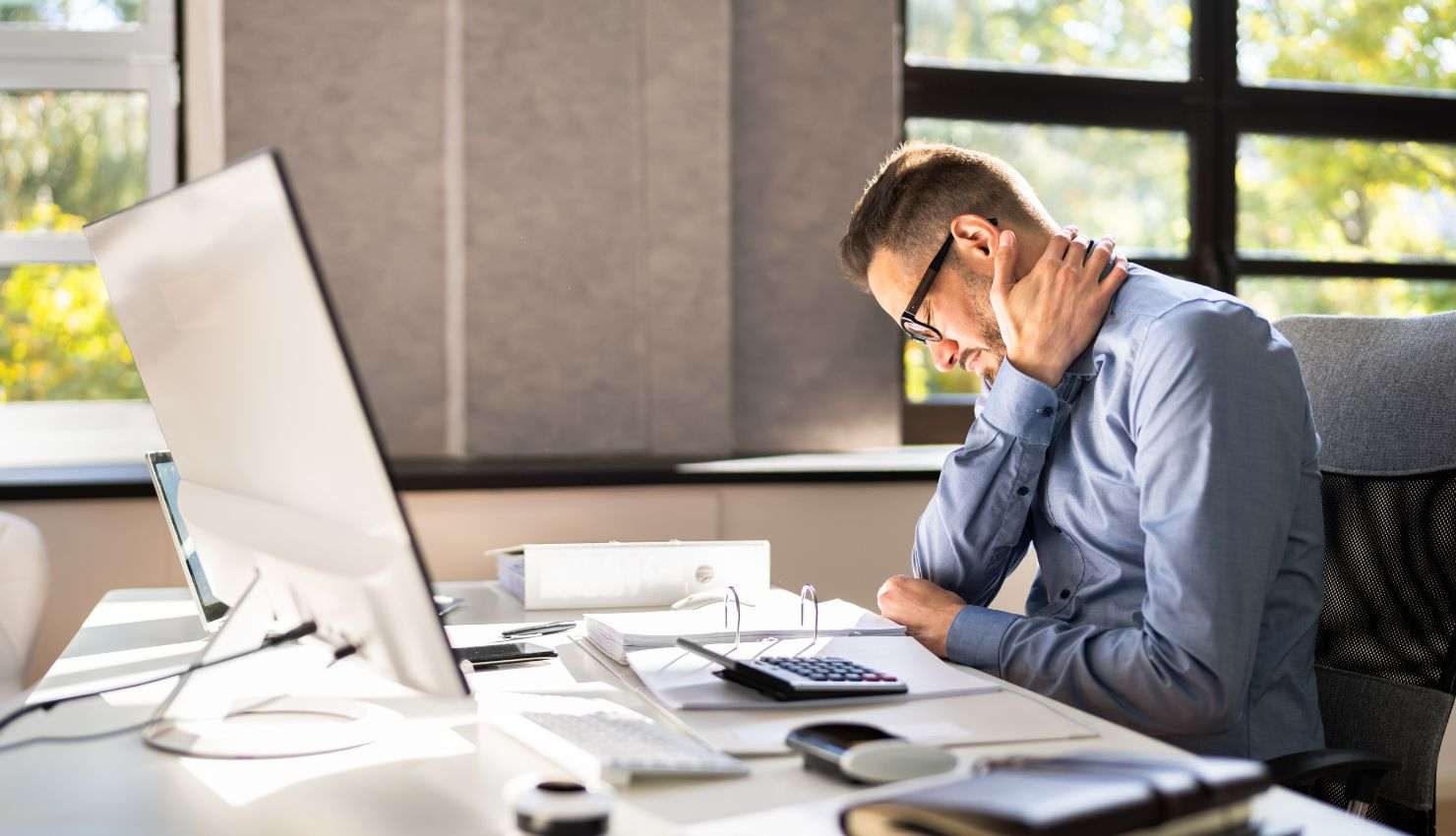
Standing desks have surged in popularity as people look for healthier ways to work, especially those who spend long hours sitting at a desk. The promise is enticing: better posture, reduced back pain, improved energy levels, and even increased productivity. But can a standing desk actually fix your posture? And what are the hidden downsides that people dont talk about? For women managing pelvic health concerns, chronic back issues, or postpartum recovery, the decision to switch to a standing desk should be informed and strategic. This blog explores the real pros and cons of standing desks and whether they are a practical solution for better postural alignment.
The Posture Problem with Prolonged Sitting
Traditional desk setups encourage prolonged sitting, often leading to poor posture. Over time, this results in:
Rounded shoulders and forward head posture
Pelvic tilting and core disengagement
Pressure on the lower back and tailbone
Weak glutes and tight hip flexors
For women, this type of posture can directly affect pelvic floor function, core stability, and breathing mechanics. Postpartum women or those dealing with pelvic pain may experience intensified symptoms when sitting in slouched positions for long periods. Standing desks are seen as a potential remedy to this growing issue.
The Promise of Standing Desks: Can They Really Help?
Standing desks are adjustable workstations that allow you to alternate between sitting and standing throughout your workday. The idea is to introduce more movement, reduce sedentary stress, and encourage better spinal alignment.
Here are the key benefits:
1. Improved Spinal Alignment
Standing naturally encourages a more upright postureyour ears are better aligned with your shoulders, and your pelvis stays more neutral. This can:
Reduce slouching and back rounding
Encourage core activation
Ease pressure on the lumbar spine
For women dealing with postpartum back pain or pelvic floor tension, standing may relieve some of the pressure that prolonged sitting aggravates.
2. Engagement of Core and Glutes
When you stand, your postural muscles must work more actively. Standing desks gently remind your body to switch on the muscles that sitting can often deactivate. These include:
Transverse abdominis (deep core stabilizers)
Gluteus medius and maximus
Hamstrings and calves
This muscular engagement supports pelvic alignment, improves balance, and prevents fatigue-related postural collapse.
3. More Opportunities for Movement
Standing naturally leads to more fidgeting, weight shifting, and spontaneous movement, all of which are good for circulation and tissue health. This is especially important for women with pelvic congestion, varicose veins, or tailbone pain, where static postures worsen symptoms.
The Hidden Downsides: What Standing Desks Dont Solve
Despite their benefits, standing desks are not a magic fix. Like any tool, they must be used correctly to be effective. Standing for long hours without proper technique can cause new problems.
1. Poor Standing Posture
Just as people slouch while sitting, they can adopt poor standing habits such as:
Locking the knees
Leaning on one hip
Tilting the pelvis forward or backward
Overarching the lower back
These compensations can lead to lower back strain, hip discomfort, and pelvic misalignment. Women already managing pelvic issues may find standing without guidance exacerbates their discomfort.
2. Pelvic Floor Fatigue
Prolonged standing without movement can increase downward pressure on the pelvic floor, especially in postpartum women or those with pelvic organ prolapse. Symptoms like heaviness, urgency, or fatigue may worsen.
Thats why alternating between sitting and standing is criticalneither position should dominate your day.
3. Foot and Joint Discomfort
Standing desks can introduce new types of strain in the feet, knees, and ankles. Standing on hard surfaces without supportive footwear or mats can lead to:
Heel pain or plantar fasciitis
Knee tension
Hip and lower back fatigue
Women with joint instability, hormonal fluctuations affecting ligaments, or flat feet need to be especially cautious when increasing standing time.
Best Practices for Using a Standing Desk Safely and Effectively
To make the most of a standing deskwithout trading one postural issue for anotherfollow these physiotherapy-informed tips:
1. Alternate Sitting and Standing
Use the 30-30 rule: sit for 30 minutes, stand for 30 minutes. Set timers to remind yourself to shift positions regularly.
2. Support Your Feet and Spine
Use a cushioned anti-fatigue mat
Wear supportive, flat shoes
Keep both feet evenly planted
Avoid locking the knees or leaning into one hip
3. Maintain Neutral Pelvic Alignment
Stand tall with a soft bend in your knees. Imagine lifting through the crown of your head while gently engaging your deep core and pelvic floor. This subtle alignment:
Reduces pressure on the lower back
Promotes better core activation
Protects the pelvic floor from fatigue
4. Adjust Desk and Monitor Height
Your screen should be at eye level, and your elbows should form a 90-degree angle when typing. This prevents forward head posture and rounded shoulders, common issues in both sitting and standing workstations.
5. Incorporate Movement Breaks
Standing still for too long can be just as harmful as sitting. Use standing time to move:
Shift weight from side to side
Do calf raises or glute squeezes
Take short walking breaks
These micro-movements activate circulation and keep muscles responsive.
Final Verdict: Is a Standing Desk the Right Choice?
A standing desk alone wont fix your posturebut when used thoughtfully, it can be a powerful part of your posture and pelvic health strategy. The key is balance. For women managing pelvic floor dysfunction, back pain, or postpartum healing, alternating between supported sitting and aligned standing, combined with core awareness, delivers the best results.
Final Thoughts
Standing desks are not a cure-all, but they offer a valuable opportunity to break the sedentary cycle and support better alignment. Used with awareness, they can reduce slouching, improve energy, and enhance overall musculoskeletal function. However, posture is a full-body issuenot just about what desk you use. Paying attention to how you sit, stand, move, and support your core is the most effective way to achieve lasting postural improvement.