Complex Regional Pain Syndrome (CRPS) is a chronic pain condition that usually affects a limb after an injury or surgery. It is characterized by severe pain, swelling, changes in skin color and temperature, and hypersensitivity in the affected area.

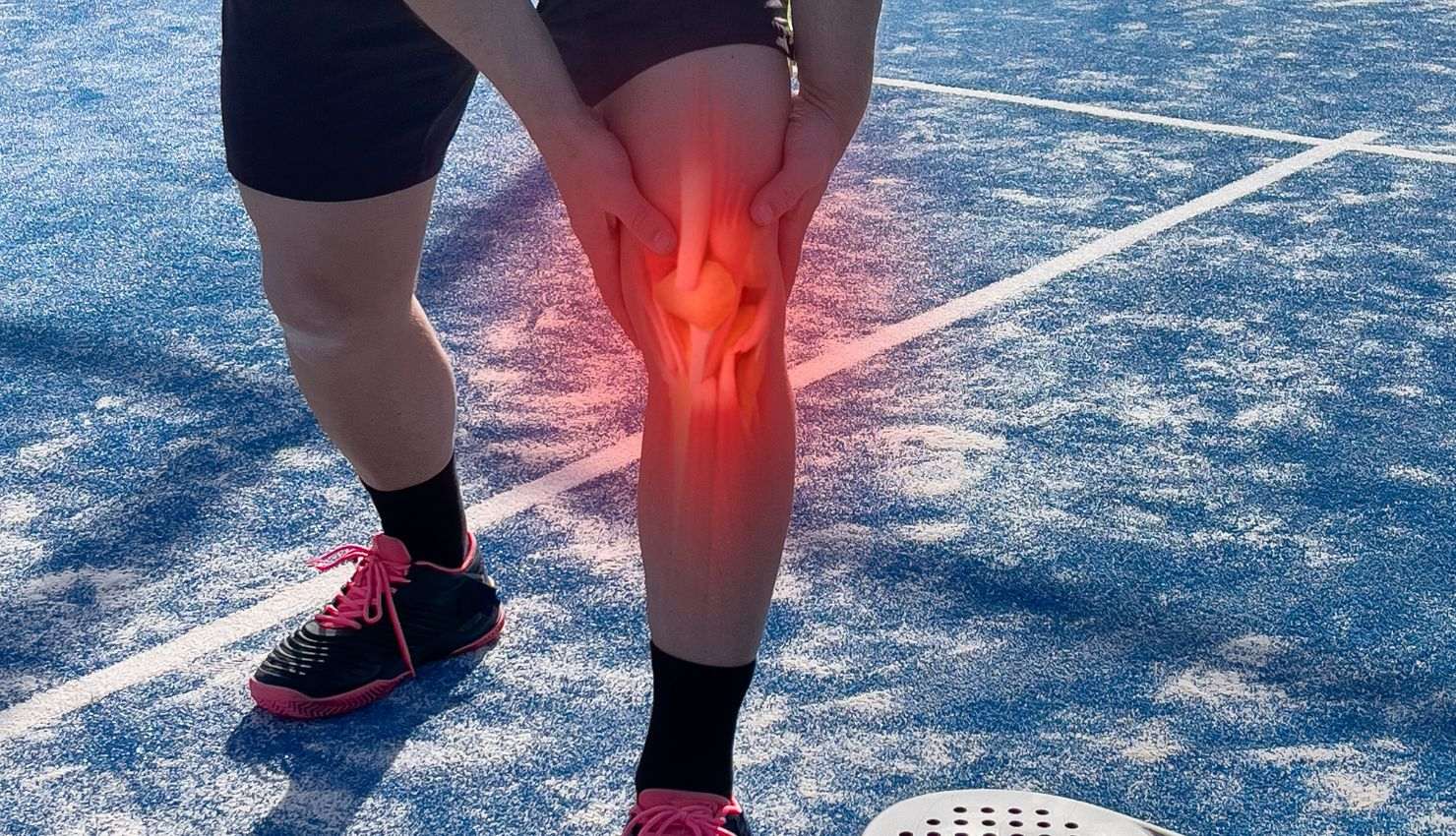
Complex Regional Pain Syndrome (CRPS) is a chronic pain condition that usually affects a limb after an injury or surgery. It is characterized by severe pain, swelling, changes in skin color and temperature, and hypersensitivity in the affected area. CRPS can be extremely debilitating, and traditional pain management methods may not always provide sufficient relief. However, physiotherapy is a crucial part of the treatment plan for managing CRPS, as it helps address the physical and psychological aspects of the condition, promoting recovery and improving quality of life.
Heres how physiotherapy can help manage and alleviate the symptoms of CRPS:
### **1. Pain Management and Symptom Relief**
Managing the intense pain associated with CRPS is one of the primary goals of physiotherapy. While pain medications may help, physiotherapists employ various techniques to reduce pain and discomfort, allowing patients to engage in rehabilitation exercises.
#### **Techniques Used for Pain Relief:**
* **TENS (Transcutaneous Electrical Nerve Stimulation)**: TENS therapy involves placing electrodes on the skin to deliver electrical impulses that block pain signals and stimulate the release of endorphins (natural painkillers). This helps reduce the pain and discomfort that CRPS patients often experience.
* **Ice and Heat Therapy**: Ice is used to reduce inflammation and numb pain, especially in the acute phase. Heat, on the other hand, is used to relax muscles, improve blood flow, and reduce spasms once the inflammation has decreased.
* **Gentle Massage and Soft Tissue Mobilization**: Manual techniques such as massage can help improve blood circulation, reduce swelling, and relax the affected muscles, providing pain relief and helping to prevent muscle atrophy.
—
### **2. Restoring Mobility and Range of Motion**
CRPS often causes stiffness and limited range of motion (ROM) in the affected limb, as well as a fear of movement due to pain. Physiotherapists guide patients through a range of gentle movements and exercises designed to restore flexibility, reduce stiffness, and promote normal movement patterns.
#### **How Physiotherapy Improves ROM and Mobility:**
* **Gentle Stretching**: Regular stretching of the affected joint or muscle helps improve flexibility and reduce the tension that can accumulate due to lack of movement.
* **Passive Range of Motion (ROM) Exercises**: In the early stages of recovery, physiotherapists may move the affected limb through its range of motion to prevent further stiffness and to begin restoring flexibility without causing additional pain.
* **Gradual Active ROM Exercises**: As pain is controlled and tolerance improves, active ROM exercises are introduced, allowing the patient to move the limb independently to regain mobility.
—
### **3. Desensitization Techniques**
One of the most challenging symptoms of CRPS is hypersensitivity to touch or temperature in the affected limb. Patients often experience pain from even the lightest touch or from changes in temperature. Physiotherapists use desensitization techniques to help the brain reprocess sensory information and reduce the sensitivity of the affected area.
#### **How Desensitization Works:**
* **Progressive Sensory Stimulation**: Physiotherapists begin by gently stimulating the affected limb with various textures (e.g., soft fabric, rough cloth, or cotton balls) and gradually increase the intensity of the stimulus. This helps the brain re-learn how to process touch and reduces the overreaction to sensory input.
* **Tactile Desensitization**: Patients are encouraged to apply different textures or materials to their skin (like brushing or tapping) to decrease hypersensitivity and promote normal sensory processing.
* **Temperature Gradation**: Gradually introducing heat or cold therapy in a controlled manner can help desensitize the skin, promoting better tolerance to temperature changes.
—
### **4. Strengthening and Rebuilding Muscle Function**
Muscle weakness and atrophy can occur in the affected limb due to pain avoidance, lack of movement, or disuse. Strengthening exercises are an essential part of physiotherapy for CRPS, as they help restore muscle function, improve circulation, and provide support to the affected joint.
#### **How Strengthening Helps:**
* **Gradual Strengthening Exercises**: Physiotherapists design a gradual, progressive strengthening program that focuses on building muscle strength around the affected area. This helps prevent further weakness and supports joint stability.
* **Isometric Exercises**: These exercises involve contracting muscles without moving the joint. They are often introduced early in rehabilitation to help maintain muscle strength without putting excessive strain on the affected area.
* **Functional Strengthening**: As recovery progresses, physiotherapists incorporate functional movements (such as squatting, reaching, or lifting) to help the patient regain strength and function for daily activities.
—
### **5. Improving Circulation and Reducing Swelling**
CRPS often results in poor circulation and swelling, which can exacerbate pain and stiffness. Physiotherapy helps improve blood flow and reduce swelling through various techniques.
#### **How Physiotherapy Improves Circulation:**
* **Active Movement**: Gentle exercises, including walking or light aerobic activities, improve blood circulation, reduce swelling, and promote tissue healing.
* **Manual Techniques**: Techniques such as lymphatic drainage and soft tissue mobilization help reduce swelling and improve circulation in the affected area.
* **Elevation and Compression**: Physiotherapists may advise elevating the affected limb and using compression garments to reduce swelling and enhance circulation.
—
### **6. Restoring Normal Movement Patterns**
Due to the pain and discomfort of CRPS, individuals may adopt compensatory movement patterns, leading to muscle imbalances, poor posture, and additional pain. Physiotherapists help patients regain normal movement patterns through movement retraining.
#### **How Physiotherapists Address Movement Dysfunction:**
* **Motor Control Exercises**: Physiotherapists guide patients in performing functional exercises that help retrain proper muscle activation patterns, improving movement efficiency and reducing unnecessary strain on the affected limb.
* **Postural Correction**: Physiotherapists assess posture and teach strategies to maintain neutral body alignment, helping to reduce strain on other parts of the body that may be compensating for the CRPS-affected area.
* **Functional Training**: Patients are gradually reintroduced to daily activities like walking, lifting, or reaching in a way that minimizes pain and encourages normal movement patterns.
—
### **7. Psychological Support and Motivation**
CRPS is a condition that can significantly affect a persons mental health, causing anxiety, depression, and frustration due to the chronic nature of pain and disability. Physiotherapists provide psychological support by setting realistic recovery goals, offering encouragement, and helping patients stay motivated.
#### **How Physiotherapy Provides Psychological Support:**
* **Goal Setting**: Physiotherapists work with patients to set small, achievable goals for recovery. Reaching these goals helps boost confidence and provides motivation to continue therapy.
* **Pain Coping Strategies**: Physiotherapists teach relaxation techniques, breathing exercises, and other coping strategies to help manage the emotional and psychological aspects of chronic pain.
* **Positive Reinforcement**: Physiotherapists celebrate progress, no matter how small, helping patients remain positive and focused on their recovery journey.
—
### **8. Education on Self-Management and Long-Term Care**
Physiotherapists educate CRPS patients on how to manage their condition on their own and prevent flare-ups in the long term. This includes learning how to pace activities, incorporate exercises into daily routines, and make lifestyle adjustments to manage symptoms.
#### **Education and Self-Management Tips:**
* **Activity Pacing**: Physiotherapists teach patients how to break tasks into smaller, manageable steps and take frequent breaks to prevent overloading the affected limb.
* **Stress Management**: Patients are educated on how to manage stress, as emotional stress can exacerbate CRPS symptoms. Techniques such as mindfulness or progressive muscle relaxation are often recommended.
* **Joint Protection**: Physiotherapists provide guidance on how to protect the affected limb during everyday activities, including using assistive devices if necessary.
—
### **9. Multidisciplinary Approach**
CRPS treatment often involves a multidisciplinary team, including physiotherapists, pain specialists, psychologists, and occupational therapists. Physiotherapists collaborate with other healthcare providers to ensure a comprehensive approach to managing symptoms and improving function.
—
### **Conclusion**
Physiotherapy is a cornerstone in the treatment of Complex Regional Pain Syndrome (CRPS), helping to alleviate pain, restore function, and improve the quality of life. By employing a combination of pain management techniques, strengthening exercises, desensitization strategies, and education, physiotherapists help individuals with CRPS manage their condition effectively and return to daily activities. A holistic approach, including physical, psychological, and educational support, is essential for long-term success in managing CRPS. If you or someone you know is dealing with CRPS, consulting a physiotherapist can be a key step in improving outcomes and regaining mobility.