Can Physiotherapy Help Prevent Dance-Related Muscle Injuries? explores targeted strategies for recovery. Discover new paths to mobility, healing, and personalized care.

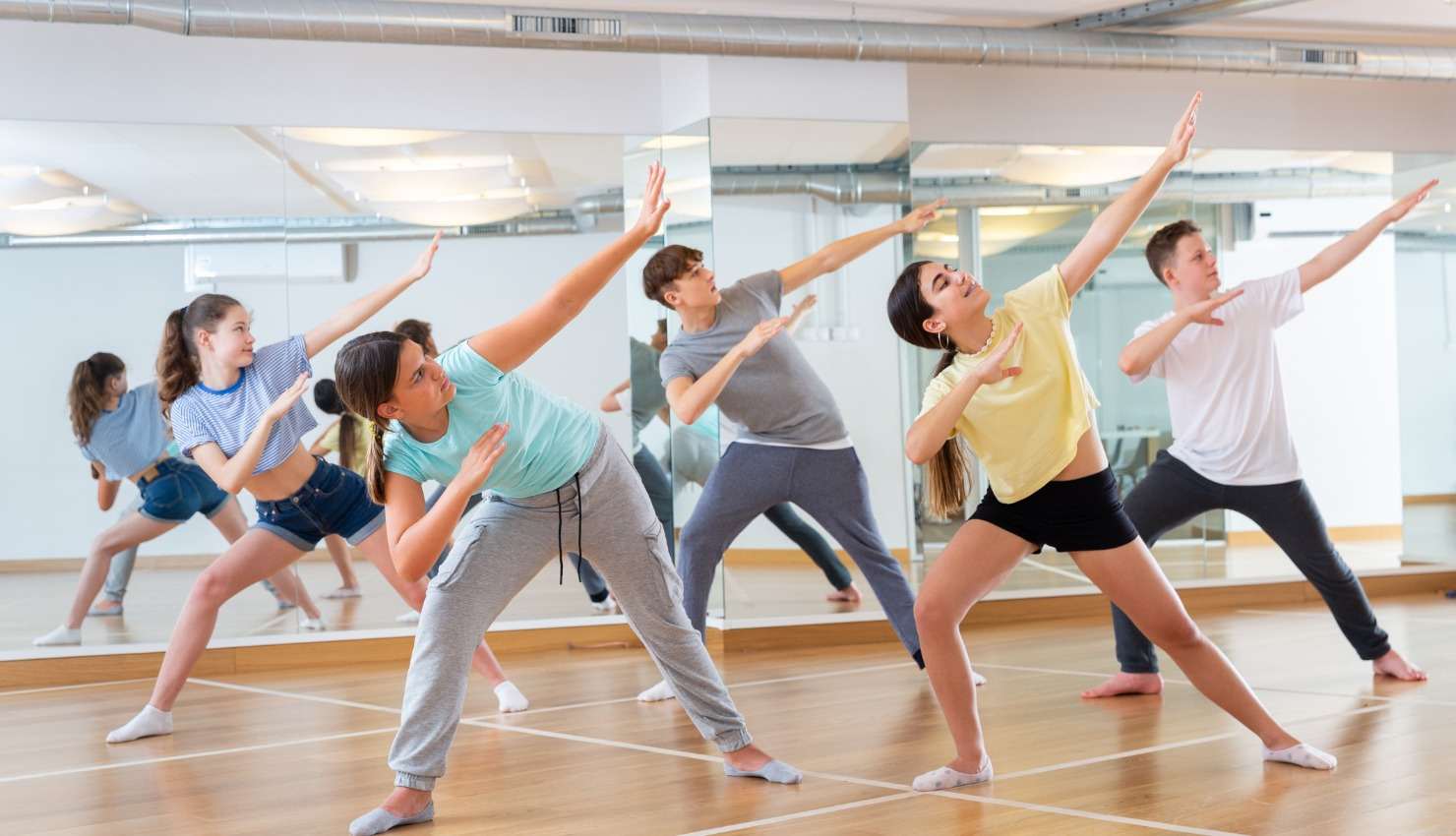
Dancing requires agility, flexibility, strength, and endurance. Whether you are a professional dancer or an aspiring student, the physical demands of dance can often lead to muscle injuries, from strains to overuse injuries. For dancers, muscle injuries can be a significant setback, potentially hindering performance and causing prolonged recovery periods. However, with the right approach, dance-related muscle injuries can often be prevented or minimized. One of the most effective ways to do so is through physiotherapy. In this blog, well explore how physiotherapy helps in preventing dance-related muscle injuries and ensuring that dancers can stay at their best, both on and off stage.
Understanding the Risks of Muscle Injuries in Dance
Dance is a high-impact, repetitive activity that places significant strain on muscles. Dancers are constantly engaging in dynamic movements such as jumps, leaps, and stretches, which require muscles to be both strong and flexible. Repeated use of the same muscles in specific ways can lead to overuse injuries, such as muscle strains, tears, or tendonitis. Poor technique, lack of proper warm-ups, and inadequate rest between practices or performances can also increase the likelihood of muscle injuries.
Common muscle injuries that dancers experience include:
Strains: Overstretching or tearing of muscle fibers, typically occurring in the hamstrings, quadriceps, or calf muscles.
Tendonitis: Inflammation of the tendons, usually in the hip, knee, or ankle areas, caused by repetitive movement or overuse.
Muscle imbalances: Weak or underdeveloped muscles that put strain on other muscle groups, leading to injury.
When a dancer suffers a muscle injury, it can take weeks or even months to recover fully, and in some cases, the injury may persist and reoccur if not treated properly. Physiotherapy is a vital tool in not only treating injuries but also in preventing them from happening in the first place.
How Physiotherapy Prevents Dance-Related Muscle Injuries
Physiotherapy plays a central role in preventing muscle injuries in dancers by focusing on both prevention and early intervention. Heres how physiotherapy can help dancers avoid injury:
1. Comprehensive Assessments
A physiotherapist will begin by conducting a comprehensive assessment of the dancer’s posture, alignment, muscle strength, flexibility, and movement patterns. Through this assessment, they can identify areas of weakness, tightness, or imbalance in the dancers body. Often, muscle imbalances or weaknesses in key areas (such as the hips, core, or lower legs) can contribute to poor movement patterns that increase the risk of injury.
By identifying these issues early, physiotherapists can create a personalized treatment plan that targets these problem areas and helps the dancer build strength, flexibility, and proper alignment. This individualized approach ensures that dancers are better prepared to handle the physical demands of their routines, reducing the chances of muscle strain or injury.
2. Strengthening and Conditioning
Strength is one of the most important factors in injury prevention. A dancer with strong muscles is less likely to suffer from strains or tears since their muscles can handle the stress of repetitive movements more efficiently. Physiotherapists design strength training programs that focus on key muscle groups used in dance. For example, exercises that target the hip flexors, quadriceps, hamstrings, calves, and core are essential for dancers, as these muscles provide stability and power during most dance movements.
Physiotherapists use resistance training, bodyweight exercises, and functional movement patterns to build strength. Strengthening the muscles around joints, especially in the lower body and core, helps stabilize these areas and prevents overuse injuries. By incorporating proper strength training into their routine, dancers can improve muscle endurance and reduce the risk of muscle fatigue or strain during intense performances.
3. Improving Flexibility and Range of Motion
Flexibility plays a crucial role in dance, as dancers must be able to stretch and extend their bodies beyond the normal range of motion. However, tight or stiff muscles are more prone to injury, especially when overstretched. Physiotherapists incorporate specific stretching and flexibility exercises that focus on improving range of motion in muscles and joints used in dance.
Stretching techniques, such as static and dynamic stretching, help lengthen the muscles and reduce tightness, making it easier for dancers to achieve high extensions, jumps, and other complex moves. PNF (Proprioceptive Neuromuscular Facilitation) stretching is also used to enhance flexibility in a controlled manner, allowing dancers to improve muscle flexibility without the risk of overstretching.
Regular flexibility exercises not only help prevent muscle strains but also promote recovery after intense rehearsals or performances by reducing muscle tightness and improving circulation.
4. Correcting Posture and Alignment
Poor posture and improper alignment during movement can place unnecessary stress on muscles and joints, leading to muscle injuries over time. For example, dancers who have poor posture may overuse certain muscle groups or place more strain on their lower back, leading to muscle fatigue and injury. Physiotherapists focus on teaching proper body alignment and posture through targeted exercises and manual therapy.
By improving posture and alignment, physiotherapists help dancers engage the right muscle groups during movement, reducing the risk of overuse injuries. In addition, proper alignment ensures that movements are more fluid and efficient, which leads to better performance and a reduced likelihood of muscle strain.
5. Warm-Up and Cool-Down Guidance
A proper warm-up and cool-down routine is essential to prepare muscles for the physical demands of dance and to prevent injury. Physiotherapists educate dancers on how to warm up effectively before rehearsal or performance and cool down afterward. A proper warm-up increases blood flow to the muscles, making them more pliable and less susceptible to injury. It also activates the muscles and prepares them for the specific movements required in dance.
Cool-downs are just as important, as they help muscles recover and relax after intense physical activity. Physiotherapists teach stretching and relaxation techniques that reduce muscle tension, minimize soreness, and promote faster recovery.
6. Injury Rehabilitation
If a dancer does experience a muscle injury, physiotherapy plays a crucial role in rehabilitation. Physiotherapists use a combination of manual therapy, exercise, and modalities such as heat or ice therapy to help speed up recovery and prevent re-injury. They also design customized rehabilitation plans that address the specific needs of the dancer, helping them regain strength, flexibility, and range of motion in the injured muscle.
By following a rehabilitation program with the guidance of a physiotherapist, dancers can return to their routines safely and effectively, reducing the chances of future injuries.
Conclusion
Dance-related muscle injuries can significantly impact a dancers career, but with proper care and preventive measures, many injuries can be avoided. Physiotherapy is an essential tool for dancers, helping them build strength, improve flexibility, and correct movement patterns that prevent muscle strains and overuse injuries. Starting physiotherapy early in a dancers career can provide a solid foundation for injury prevention, ensuring they stay healthy, perform at their best, and enjoy a long-lasting career in dance.
If you are a dancer looking to prevent muscle injuries and improve your performance, consider incorporating physiotherapy into your routine. With the right treatment and guidance, you can keep your muscles strong, flexible, and injury-free for years to come.