Can Physiotherapy Help with Mental Fatigue in Dancers? explores targeted strategies for recovery. Discover new paths to mobility, healing, and personalized care.

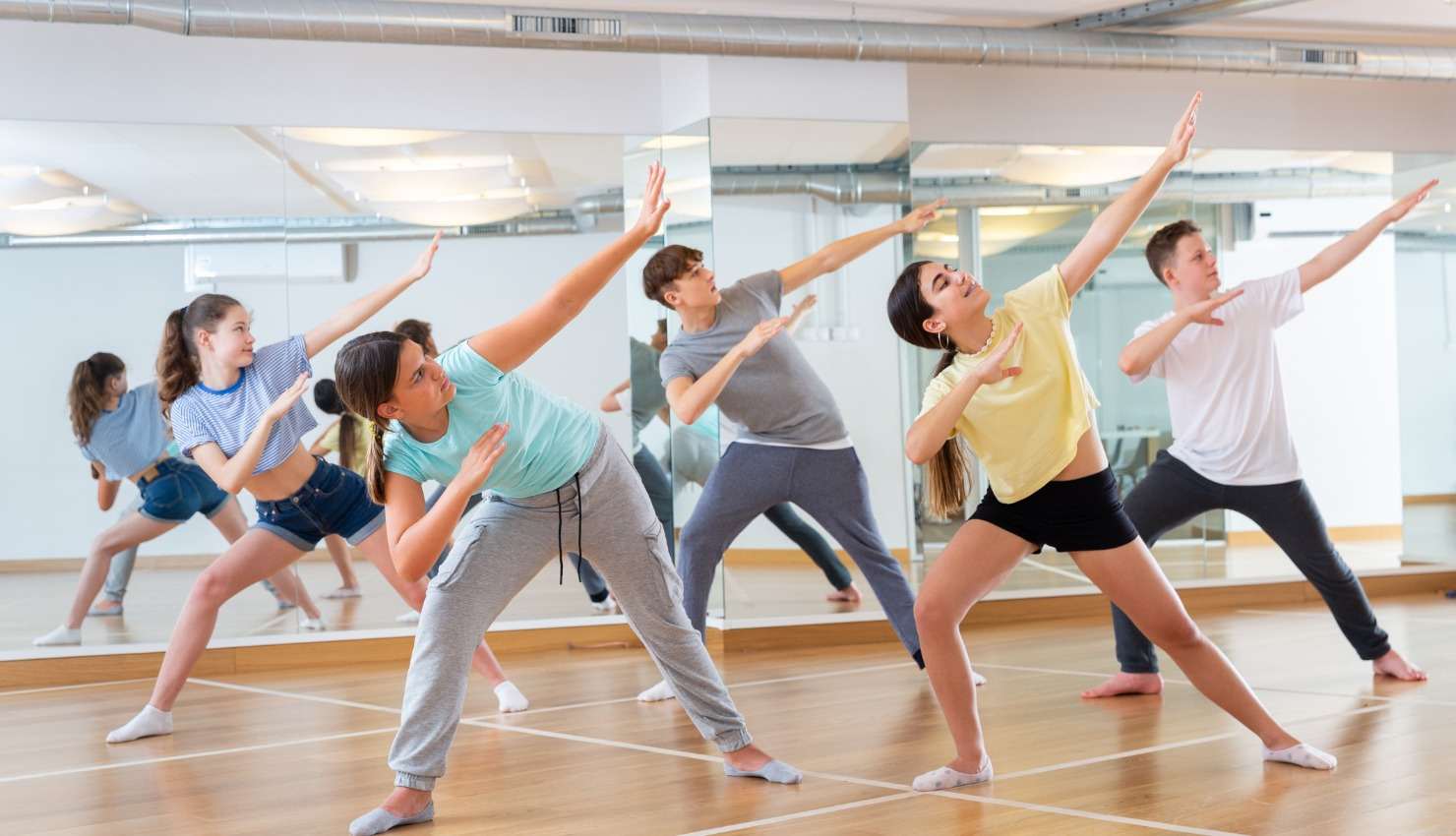
Mental fatigue in dancers may show up as:
Difficulty concentrating during rehearsals
Low motivation or burnout
Feeling emotionally drained
Sleep disturbances
Physical heaviness or sluggishness despite no acute injury
Often, this fatigue is tied to the bodys stress systems. When the body is overworked, the brain follows.
????? How Physiotherapy Supports Mental Recovery in Dancers
1. ????? Reducing Physical Tension to Alleviate Mental Stress
Chronic muscle tightness, postural imbalances, and repetitive movement strain increase stress signals to the brain. Physiotherapists use:
Manual therapy (massage, myofascial release)
Stretching and mobilization
Breathing techniques for relaxation
This reduces cortisol (the stress hormone) and calms the nervous system, which restores clarity and reduces anxiety.
?? When your body feels lighter, your mind does too.
2. ?? Improving Sleep and Recovery
Sleep is essential for mental and emotional regulation. Physiotherapy can enhance sleep quality by:
Easing physical discomfort that interferes with rest
Teaching nervous system down-regulation techniques (e.g., vagus nerve stimulation, diaphragmatic breathing)
Creating pre-sleep mobility routines to quiet the mind and relax the body
Better sleep leads to improved mood, sharper focus, and better performance.
3. ?? Breaking the PainFatigueStress Cycle
Unresolved pain or chronic tension drains mental energy. A dancer might unconsciously over-focus on discomfort, leading to:
Increased fatigue
Fear of reinjury
Emotional burnout
Physiotherapists help break this cycle by treating the root of the pain and retraining the body to move without fear which restores mental confidence and optimism.
4. ?? Providing Emotional Support and Reassurance
Physiotherapists who specialize in dance often serve as trusted allies. They:
Understand the dancer’s lifestyle and pressures
Provide a space to voice concerns or doubts
Offer reassurance and encouragement during recovery or performance slumps
?? The relationship between dancer and physio can become a key part of psychological recovery.
5. ????? Mindful Movement for Mental Reconnection
Physiotherapy exercises often emphasize control, precision, and awareness. These mindful movement patterns:
Refocus attention away from racing thoughts
Reconnect the dancer with their body in a non-judgmental way
Provide a sense of control and progress
This mental re-centering is especially helpful for dancers feeling lost, frustrated, or emotionally overwhelmed.
6. ?? Creating Structure During Downtime or Injury
Mental fatigue often worsens during injury recovery or breaks in training. A physiotherapist can:
Provide structured, achievable goals
Create daily rehab routines that restore purpose
Monitor progress and celebrate milestones, helping dancers stay emotionally engaged
This keeps the dancers mindset strong even when offstage.
????? Sample Physiotherapy Techniques That Aid Mental Well-Being
Technique Mental Benefit
Diaphragmatic breathing Calms nervous system, reduces anxiety
Soft tissue massage Releases tension, improves sleep quality
Gentle mobility flows Grounds attention, improves body awareness
Progressive strengthening Builds confidence and emotional resilience
Visualization with rehab Rewires positive mental associations with movement
?? When to Seek Physiotherapy for Mental Fatigue
Consider seeing a physiotherapist if you:
Feel physically fine but mentally drained
Are recovering from injury and lack motivation
Cant focus during class or choreography
Have tension headaches or neck stiffness from stress
Are dealing with burnout but dont want to stop dancing entirely