Can Physiotherapy Improve Your Balance for Dance? explores targeted strategies for recovery. Discover new paths to mobility, healing, and personalized care.

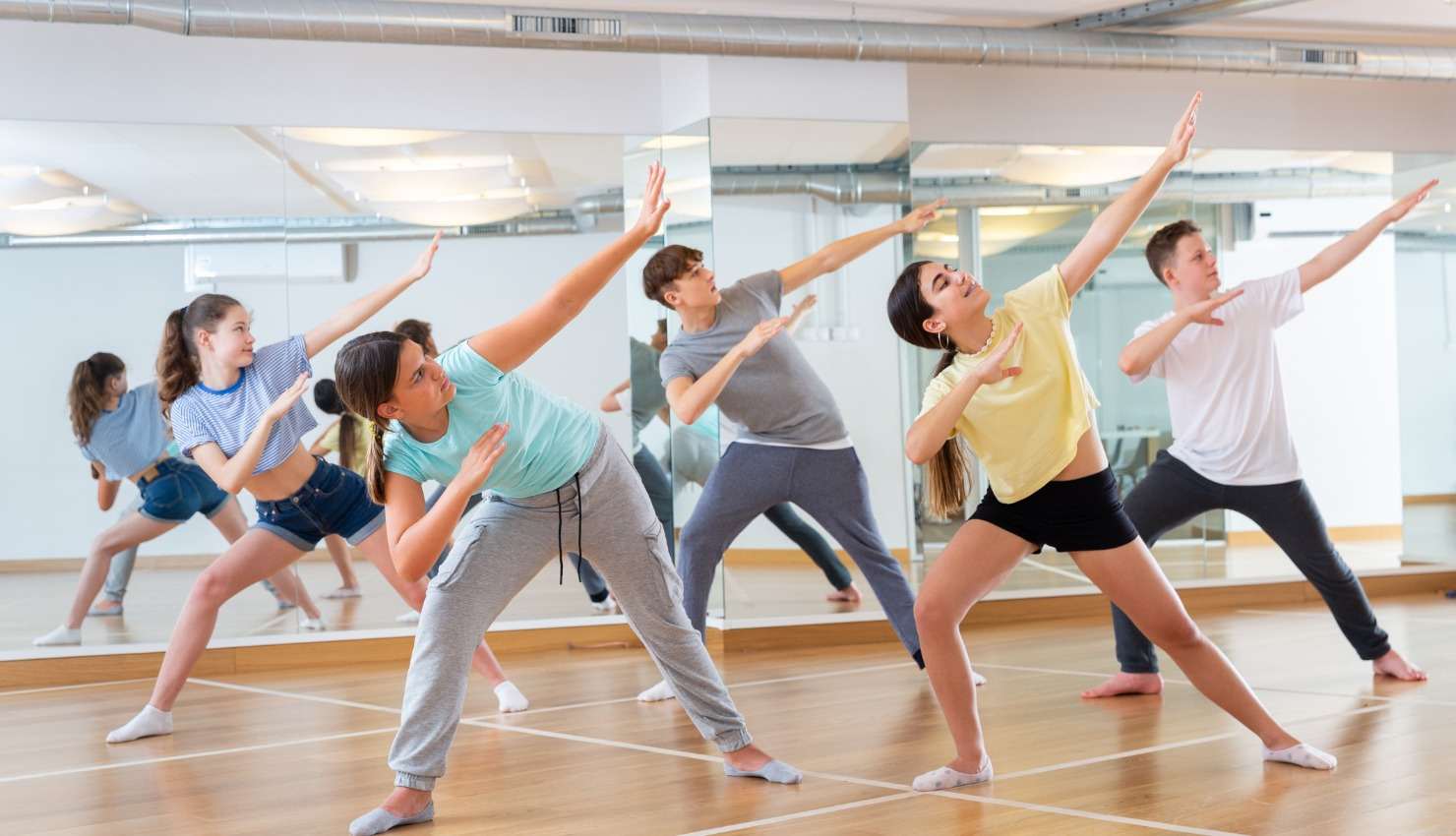
Balance is essential in all styles of dance whether youre holding an arabesque, turning en pointe, or landing a jump. Good balance means greater control, fluidity, and injury resistance. Physiotherapy targets the foundational systems that control balance and ensures your body works as a stable, integrated unit.
?? What Affects a Dancers Balance?
Balance issues are usually caused by one or more of the following:
Weak core or gluteal muscles
Poor proprioception (body awareness)
Foot and ankle instability
Muscle imbalances between dominant/non-dominant sides
Poor posture or spinal misalignment
Past injuries (especially ankle sprains or back pain)
??? How Physiotherapy Enhances Balance
1. ?? Functional Movement Assessment
A physiotherapist begins by evaluating:
Your static and dynamic balance (e.g., single-leg stance)
Muscle strength and stability
Joint mobility, especially in the spine, hips, and ankles
Control during dance-specific movements (e.g., relevés, turns, arabesques)
?? This helps create a tailored balance training plan based on your bodys needs.
2. ?? Core and Pelvic Stability Training
Strong, stable core and hip muscles keep your center of gravity in control. Physiotherapists work on:
Transverse abdominis activation
Glute medius and hip stabilizers
Pelvic alignment in motion
?? Youll build a reliable center that holds you steady on and off the floor.
3. ?? Ankle and Foot Strengthening
The feet are your base. Weak ankles or collapsed arches impair your ability to balance, especially during pointe or demi-pointe work.
Your physio might include:
Resistance band exercises
Single-leg stability drills
Barefoot proprioceptive work (on foam pads, wobble boards, etc.)
?? Stronger feet = better grounding and faster balance corrections.
4. ?? Proprioceptive and Neuromuscular Training
Balance isnt just physical its neurological. Physiotherapists retrain your brain to respond to small changes in position through:
Balance challenges with eyes closed
Unstable surfaces (foam, Bosu balls)
Multi-task drills (e.g., balancing while turning your head or moving your arms)
?? This sharpens your reflexes and reduces falls during complex choreography.
5. ?? Technique Correction
Poor posture, turnout mechanics, or alignment can throw off your center of mass. A physiotherapist can:
Cue correct spinal and pelvic posture
Help with turnout control to avoid hip compensation
Adjust weight distribution across the feet during balances and turns
?? Clean technique leads to automatic balance improvement.
?? What Youll Gain from Balance-Focused Physiotherapy
Benefit Why It Matters
? Improved control Easier pirouettes, relevés, and arabesques
? Fewer falls Protects against sprains and overuse injuries
? Better posture Enhances aesthetics and line in performance
? Stronger center Supports powerful, grounded movement
? Body awareness Quicker corrections and stage presence
?? When to Consider Physiotherapy for Balance Issues
You frequently wobble or fall during turns or balances
One side feels significantly weaker than the other
Youve had ankle sprains or foot injuries in the past
You feel unstable on demi- or full pointe
You’re plateauing in technical progress despite training hard