Can Physiotherapy Prevent Injuries in Dance Competitions? explores targeted strategies for recovery. Discover new paths to mobility, healing, and personalized care.

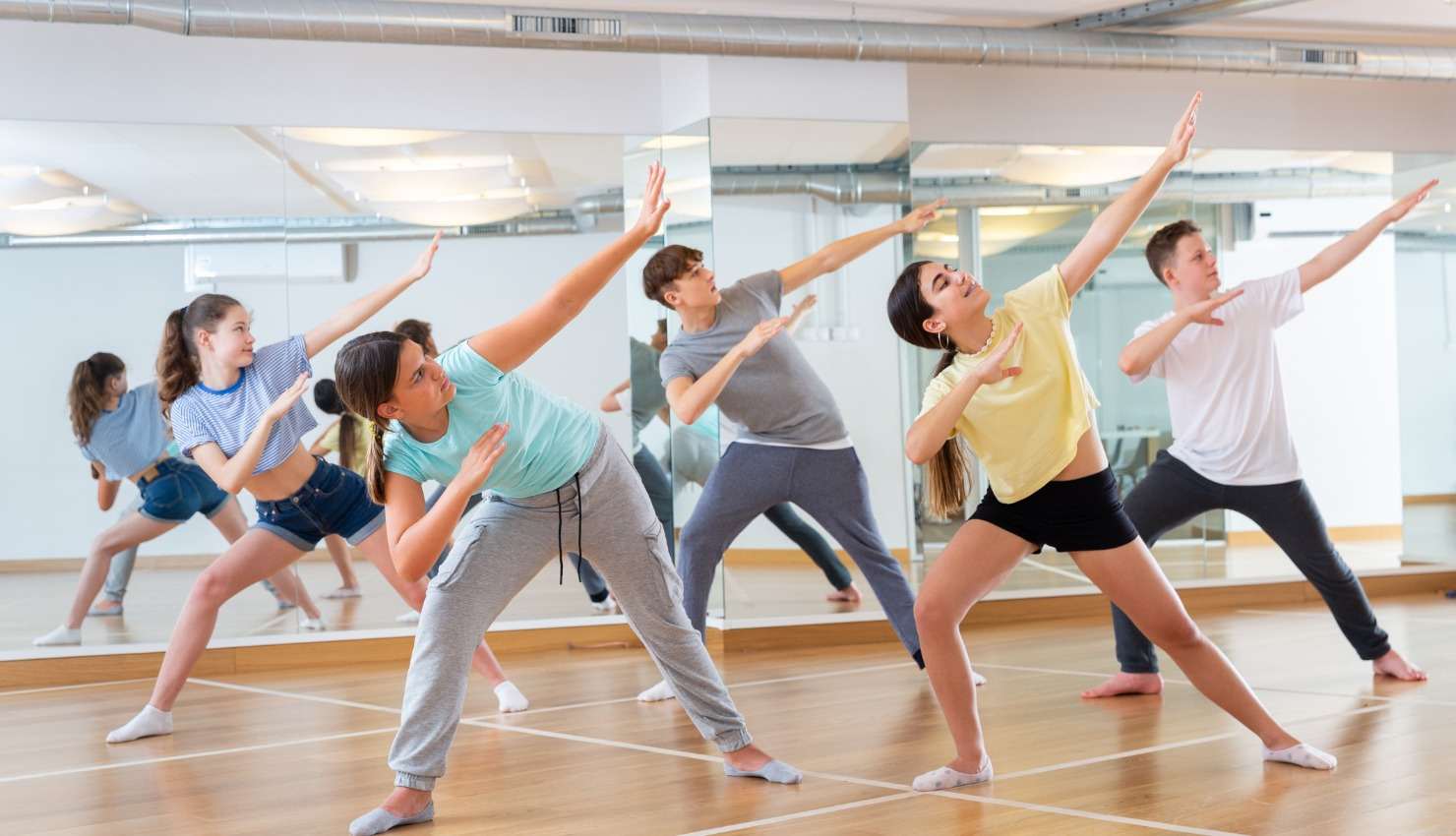
1. Correcting Biomechanical Imbalances
Physiotherapists assess posture, alignment, and technique.
They identify and correct muscle imbalances or joint restrictions that could lead to overuse or acute injuries during dance routines.
2. Strength and Conditioning
Specific exercises are designed to strengthen core, hips, ankles, and stabilizing muscles.
Improved strength in these areas can reduce strain on joints and tendons, especially during jumps, spins, and lifts.
3. Improving Flexibility and Joint Mobility
Stretching programs guided by physiotherapists target tight muscle groups.
This improves range of motion and helps avoid strains or tears from overstretching or incorrect movements.
4. Enhancing Proprioception and Balance
Balance training helps dancers maintain control during complex sequences.
Better proprioception reduces the risk of falls and awkward landings, common in high-intensity performances.
5. Education on Injury Prevention
Dancers learn proper warm-up and cool-down techniques.
They also receive advice on recovery, hydration, footwear, and safe progression of training loads.
6. Pre-Competition Screening
Physiotherapists can perform screening before competitions to assess readiness.
They check for early signs of stress, fatigue, or overuse, allowing interventions before a full-blown injury occurs.
7. Mental Readiness and Body Awareness
Mind-body connection is emphasized to help dancers stay aware of their movements.
Techniques like breathing, relaxation, and visualization can prevent performance-related tension injuries.