Discover the wide-ranging benefits of chiropractic care for pain relief, mobility, and whole-body wellness.

Lets be honest time flies when youre gaming. One minute youre loading into a match, the next youve logged five hours, your lower back is aching, and standing up feels like you aged a decade.
Sound familiar?
Back pain is one of the most common complaints among gamers, and its no surprise. Long hours spent sitting, often with poor posture and little movement, can wreak havoc on your spine. But dont worry you dont need to give up your controller or keyboard. With physiotherapy, you can fight back pain the smart way and keep gaming comfortably for the long haul.
?? Why Gamers Get Back Pain
Gaming may not seem physically demanding, but your back would disagree. Heres what typically causes discomfort:
Poor sitting posture slouching or leaning forward strains the lower back
Lack of movement sitting in the same position tightens hip flexors and weakens core muscles
Unsupported seating couches, beds, or cheap chairs offer little lumbar support
Repetitive gaming marathons even with good form, too much stillness leads to stiffness
Over time, these habits can result in chronic lower back pain, spinal misalignment, and muscle fatigue not fun, especially when you’re mid-match.
?? How Physiotherapy Helps Relieve and Prevent Gamer Back Pain
Physiotherapy is more than just stretching its about treating the root cause of pain and giving you tools to strengthen, support, and stabilize your body during long gaming sessions.
Heres how a physiotherapist can help:
? 1. Postural Assessment & Correction
Your physiotherapist will evaluate how you sit when gaming head position, spine alignment, hip tilt and help you correct any imbalances that are putting unnecessary stress on your back.
Bonus: They’ll teach you how to sit properly without feeling like a robot.
? 2. Core & Glute Strengthening
Weak core and glute muscles make it harder to maintain good posture. Your physio will guide you through exercises like:
Glute bridges
Planks
Dead bugs
Bird-dogs
These movements build strength and endurance in the muscles that support your spine.
? 3. Spinal Mobility & Stretching Routines
To undo the tightness caused by long periods of sitting, youll learn:
Cat-cow stretches (for spinal flexibility)
Childs pose (to decompress the lower back)
Knee-to-chest stretches
Hip flexor openers (especially important if you sit a lot)
These stretches help restore movement and reduce tension in your back and hips.
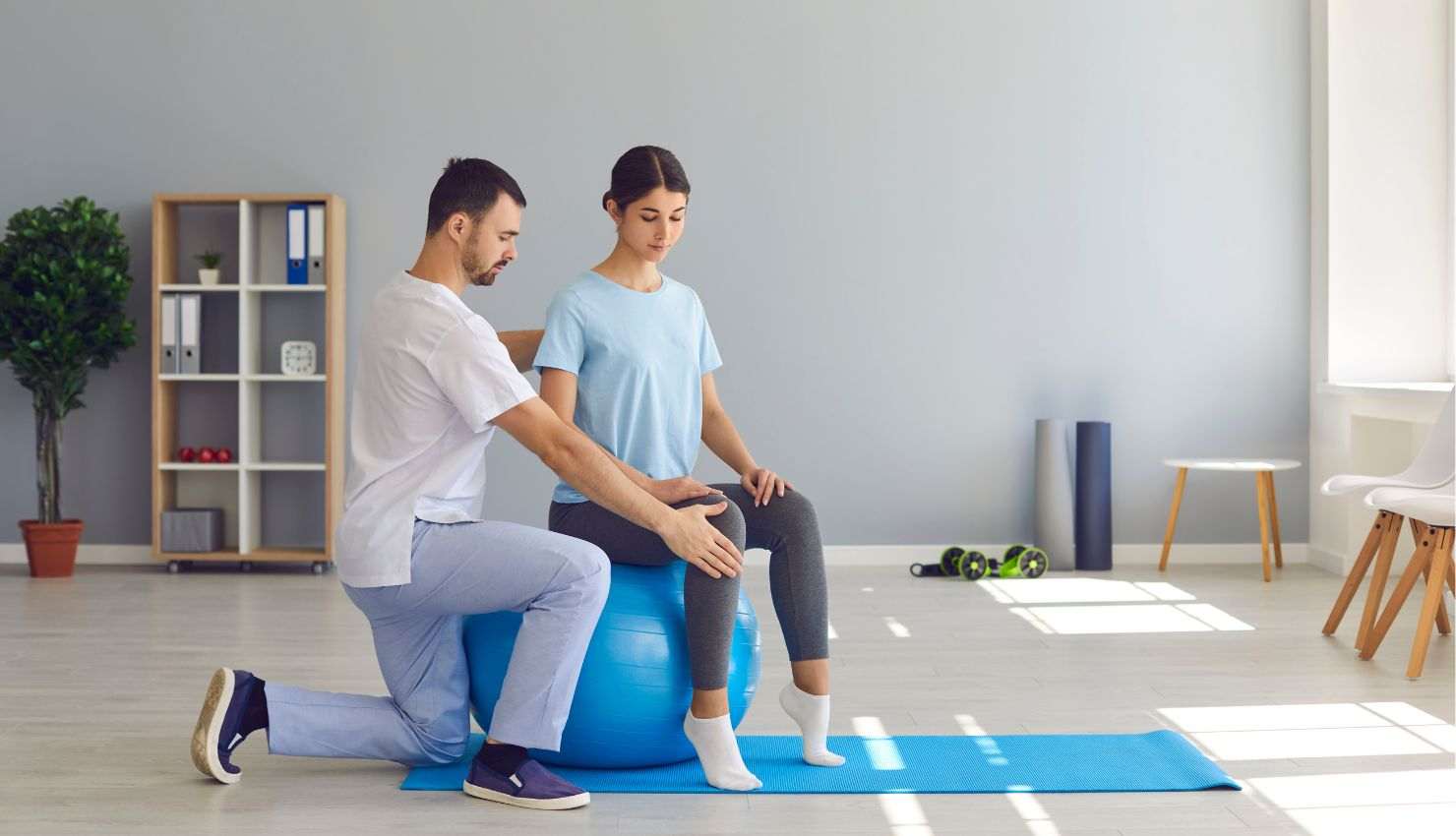
? 4. Manual Therapy (Hands-On Relief)
If youre dealing with pain right now, your physio can provide hands-on treatment like:
Joint mobilization
Soft tissue massage
Myofascial release
These techniques relieve stiffness, reduce inflammation, and help your back move more freely.
? 5. Ergonomic Coaching
Your gaming setup plays a huge role in back pain. Your physio can help you optimize:
Chair height and lumbar support
Screen positioning to avoid leaning forward
Foot placement (flat on the ground = more stable posture)
Sometimes, a few small changes make a huge difference.
?? Quick Tips for Gamers to Avoid Back Pain
?? Take breaks every 4560 minutes stand, stretch, move around
?? Use a chair with lumbar support, or add a cushion to support your lower back
????? Adjust your monitor to eye level so youre not leaning forward
????? Stretch daily even 5 minutes can help
?????? Strengthen your core to support your posture naturally
?? Game Pain-Free with Physiotherapy
Gaming should be challenging but not for your back. Whether youre playing casually or competitively, taking care of your body ensures you can enjoy your hobby without pain holding you back.
With the right physiotherapy plan, you can relieve back pain, prevent future strain, and play longer with better posture and more comfort.
So before your next session, do your back a favor check your posture, stretch it out, and consider connecting with a physiotherapist who understands the unique physical demands of gaming.