Core and Spine Rehabilitation explores targeted strategies for recovery. Discover new paths to mobility, healing, and personalized care.

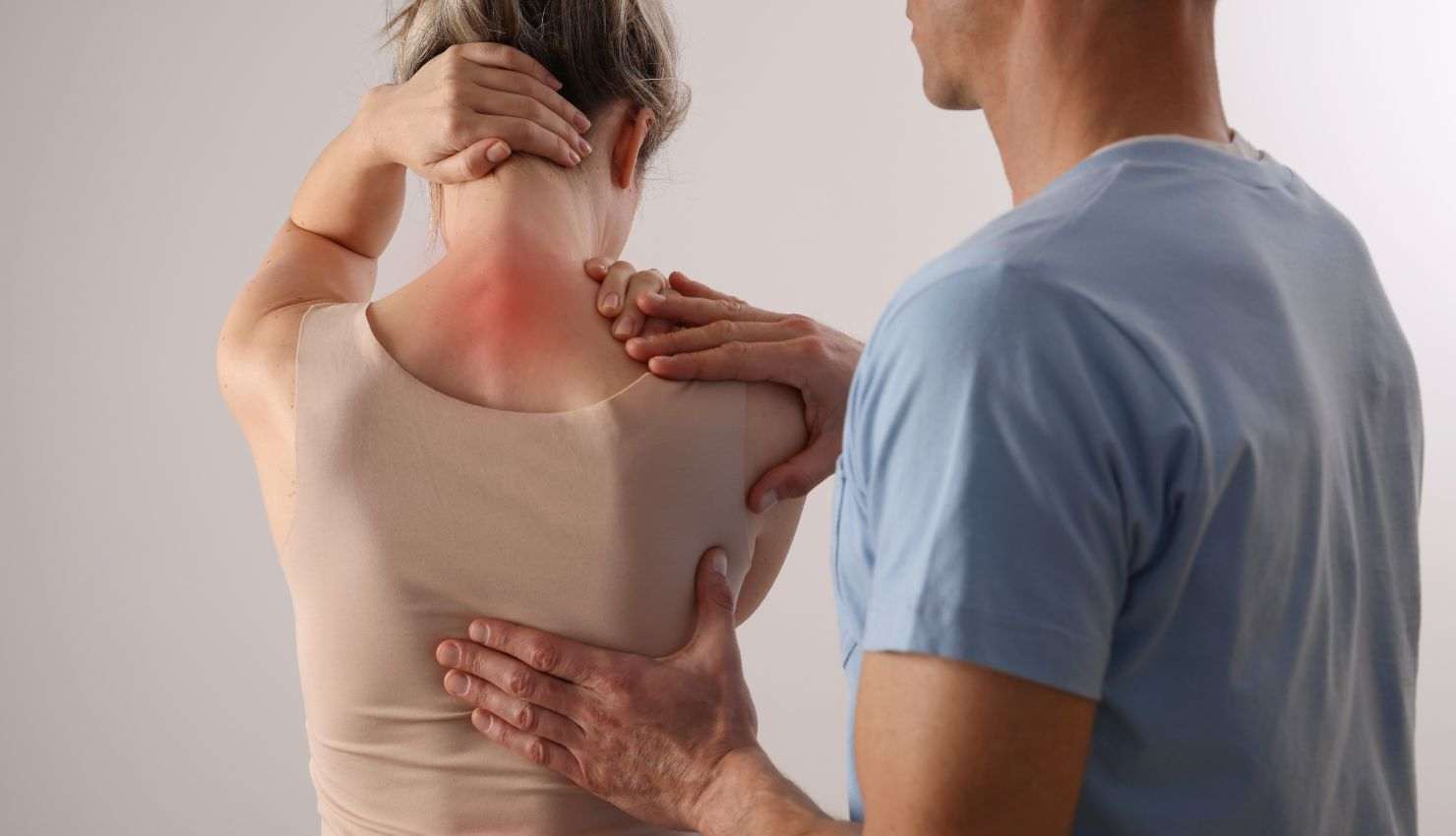
Injury prevention is a top priority for anyone leading an active lifestyle or recovering from a spinal condition. One of the most effective ways to protect your body from injury is through core and spine rehabilitationa targeted physiotherapy approach focused on strengthening and stabilizing the muscles that support your spine.
In this blog, well explain why core and spine rehabilitation is essential, how it works, and how it can help you prevent injuries both in daily life and during physical activity.
The Connection Between Core Strength, Spine Stability, and Injury Prevention
Your core muscles form the foundation for movement and stability. They support your spine and pelvis, enabling balanced posture and efficient motion. When these muscles are weak or dysfunctional, your spine becomes vulnerable to misalignments and strain.
Weak core muscles lead to:
Poor posture and spinal alignment
Increased load on spinal discs and joints
Reduced shock absorption during movement
Compensatory patterns that cause overuse injuries
By rehabilitating your core and spine, you restore balance, improve muscle coordination, and create a protective framework that shields your body from injury.
What is Core and Spine Rehabilitation?
Core and spine rehabilitation is a physiotherapy-based program designed to:
Assess and correct muscle imbalances
Strengthen deep stabilizing muscles of the trunk and pelvis
Improve spinal mobility and posture
Retrain safe and efficient movement patterns
This rehabilitation is tailored to individual needs and can benefit people recovering from injury, managing chronic conditions, or looking to prevent future problems.
How Physiotherapy Supports Core and Spine Rehabilitation
Physiotherapists use a comprehensive approach that includes:
1. Assessment and Screening
A thorough evaluation of your posture, muscle strength, flexibility, and movement identifies areas of weakness or dysfunction that may contribute to injury risk.
2. Targeted Strengthening Exercises
Physiotherapists prescribe exercises focusing on the transverse abdominis, multifidus, pelvic floor, and other core muscles. These exercises improve spinal stability and help distribute forces evenly through the spine.
Examples include:
Pelvic tilts and bridges
Bird-dog exercises
Planks and side planks
Abdominal hollowing
3. Postural Training and Ergonomics
Proper posture reduces strain on the spine and muscles. Physiotherapy includes training to improve posture awareness and ergonomic adjustments for work or daily activities.
4. Functional Movement and Balance Training
Physiotherapists guide you in performing safe movements during activities like lifting, bending, or sports. Balance and coordination exercises further reduce the risk of falls and injuries.
5. Education and Injury Prevention Strategies
Youll learn how to recognize early signs of muscle fatigue, adopt proper body mechanics, and incorporate preventive exercises into your routine.
Benefits of Core and Spine Rehabilitation for Injury Prevention
Enhanced spinal stability: A strong core reduces abnormal spinal movements that cause injury.
Improved posture: Proper alignment lowers mechanical stress on spinal structures.
Balanced muscle function: Reduces overuse and strain on muscles and joints.
Better movement control: Safe, efficient movement patterns decrease injury risk during daily activities and exercise.
Reduced pain and discomfort: Prevents chronic conditions linked to weak core muscles.
Who Should Consider Core and Spine Rehabilitation?
This type of rehabilitation is beneficial for:
Individuals with a history of back or neck injuries
Athletes and active individuals
Office workers with sedentary lifestyles
Older adults at risk of falls and fractures
Anyone looking to improve spinal health and prevent injury
Why Choose YourFormsUX for Core and Spine Rehabilitation in Canada?
At YourFormsUX, we specialize in physiotherapy programs that strengthen the core and stabilize the spine to prevent injuries. Our experienced therapists offer personalized treatment plans, combining the latest research with compassionate care.
We work closely with you to set realistic goals, monitor progress, and empower you with the knowledge to maintain spinal health long-term.
Tips to Support Your Rehabilitation and Injury Prevention
Stay consistent with prescribed exercises.
Maintain awareness of your posture during all activities.
Incorporate regular movement breaks to avoid stiffness.
Use proper techniques during lifting and sports.
Keep active with low-impact exercises like swimming or walking.
Final Thoughts
Core and spine rehabilitation is a powerful tool to protect your body from injury and maintain a healthy, pain-free spine. By strengthening the muscles that support your spine and retraining movement patterns, physiotherapy can help you stay active and injury-free for years to come.
If youre ready to prioritize injury prevention and improve your spinal health, contact YourFormsUX today to schedule a consultation with our expert physiotherapists.